Reference
China to Mexico Shipping Time: Which Transit Clock?
China–Mexico planning benchmarks by transport leg, what port-to-port and airport-to-airport exclude, and how to obtain a door-to-door estimate for your shipment.
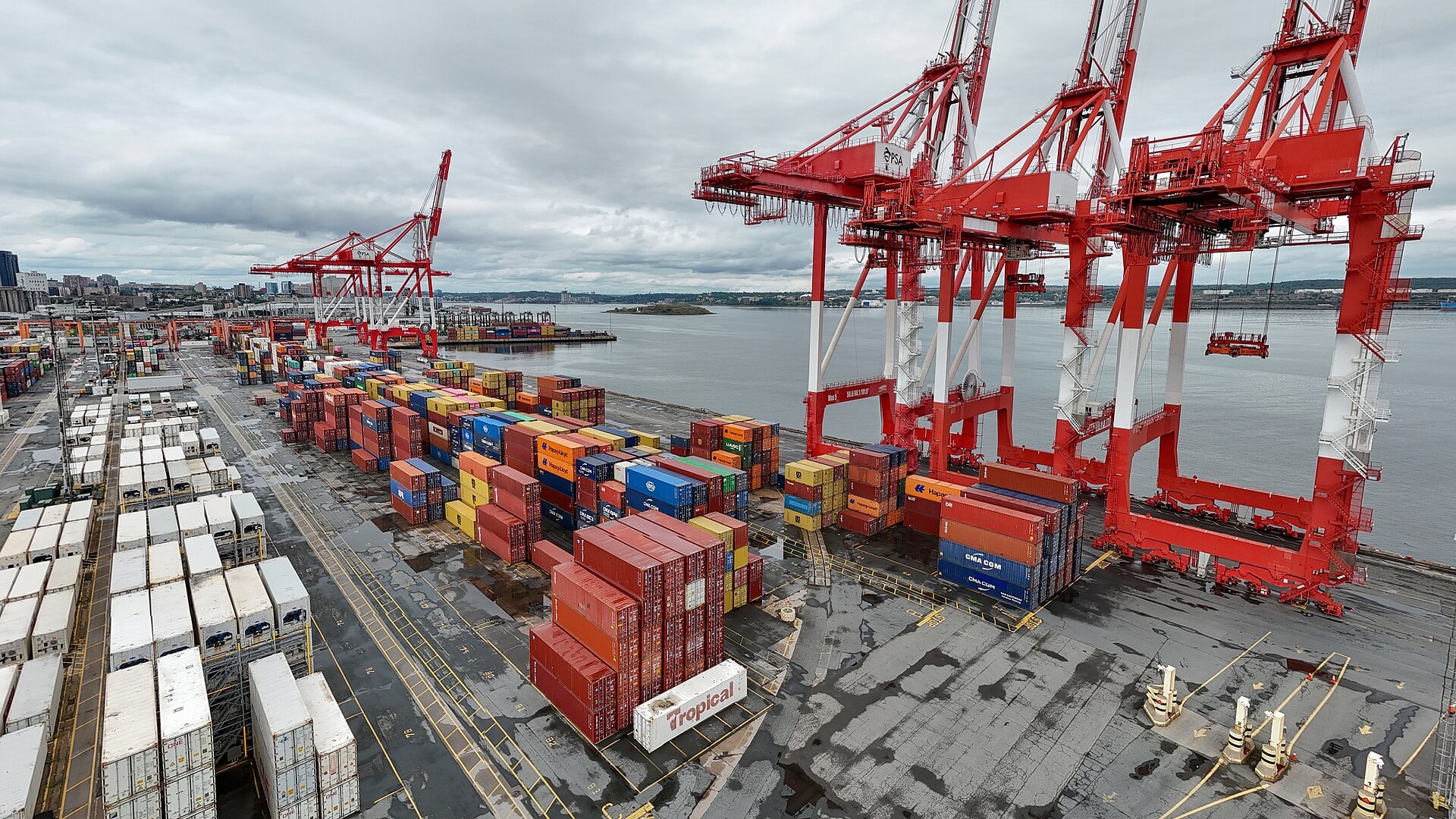
For China→Manzanillo or Lázaro Cárdenas, use 30–45 days port-to-port by ocean. For China→Mexico, use 4–9 days airport-to-airport by air. Neither is a door-to-door promise.
Key takeaways
- China→Manzanillo or Lázaro Cárdenas ocean freight uses 30–45 days port-to-port; Gulf or transshipment routes need a live window.
- China→Mexico air freight uses 4–9 days airport-to-airport; cargo loaded on a nonstop China→Mexico City (MEX/NLU) flight may land the next day, but clearance and delivery follow and that is not the full service clock.
- A door-to-door window must add pickup, export handling, customs and final delivery. Confirm it for the actual cargo and addresses rather than adding a fixed number of days.
- Compare Manzanillo and Lázaro Cárdenas against the live service, port status, inland destination and total landed cost for the shipment.
- Customs exams, transshipment, peak-season congestion and rolled bookings are what stretch the timeline.
- Prepare the Padrón, pedimento and any applicable NOM requirements early to reduce avoidable delays; a customs exam can still change the clearance timeline.
Door-to-door vs port-to-port: measure the right thing
The single biggest source of confusion is mixing up two different clocks.
- Port-to-port counts only the sailing: the day the vessel leaves the origin port to the day it arrives at the Mexican port. It is the number carriers and schedule tools love to quote because it looks fast.
- Door-to-door counts the whole job: pickup at the factory, origin handling and export, the sailing, customs clearance in Mexico, and final delivery to the consignee’s door.
Port-to-port is only the sea leg, so it is the wrong figure to present as a delivery promise. Your goods still need to reach the port, load, clear customs and travel inland. When someone gives you a transit number, ask which clock it uses and what events start and stop that clock.
For China→Manzanillo or Lázaro Cárdenas ocean freight, treat 30–45 days port-to-port as the benchmark, not the total delivery time.
Ocean: which Mexican port changes the math
Not all Mexican ports are reached the same way, and the routing drives the timeline.
- Pacific ports (Manzanillo, Lázaro Cárdenas) are planning options for China–Mexico cargo. Compare the live service, port call, inland destination and total landed cost before selecting one.
- Veracruz (Gulf coast) may be served through the Panama Canal or by transshipment through another hub, depending on the live service string. If your buyer is in eastern or central-eastern Mexico, compare the actual routing and inland trucking rather than assuming a fixed sea path.
Port conditions change. Check the live status of Manzanillo and Lázaro Cárdenas with the available service before booking; if congestion or an inspection affects the shipment, the complete timeline can increase. For a deeper look at this gateway, see our guide to ocean freight from China to Manzanillo.
Air: the freight clock is longer than the flight
When time matters more than cost, air freight changes the equation entirely.
Cargo loaded on a direct China→MEX/NLU flight can land the next day, but carriers and schedules rotate. Clearance and delivery follow after arrival, and we confirm the bookable carrier, airport and connection pattern on the quote rather than publishing a static route table.
- China→Mexico airport-to-airport freight uses 4–9 days for planning. Consolidation, handling and routing sit around the physical flight.
- Door-to-door by air also includes pickup, export, customs clearance and final delivery, so it must be confirmed for the shipment rather than inferred from the airport-to-airport number.
- For small parcels and samples, express courier is a separate product; confirm its current transit and clearance scope independently.
Air isn’t just for emergencies. It can be the right call for high-value, low-volume goods, for replenishing a stockout, or for a first shipment you want on the shelf while a larger ocean container follows behind. The trade-off is cost per kilo, which is why most sellers reserve air for the cargo that earns it. We compare the two modes in detail in air vs ocean freight from China.
What actually stretches the timeline
Two shipments on the same lane can arrive on different dates. Here is what moves the needle.
- Direct vs transshipment. A direct service is cleaner and more predictable. Transshipment adds a handling point where boxes can sit waiting for the next vessel.
- Peak season congestion and rolled bookings. When demand spikes, space tightens, ports back up, and bookings get rolled to a later sailing. The published transit time may not change, but your real start date slips. See our note on peak season surcharges and the GRI.
- Customs clearance. Consistent documents and a prepared import file reduce avoidable delays, but they do not guarantee rapid release. A Mexican customs exam or product check can still extend the timeline. Our customs and pedimento guide walks through what to prepare.
- Equipment and space availability. No container or no slot at origin means your cargo waits before it even sails. Booking ahead matters most in tight markets.
A realistic planning view
Use ranges, label your clock, and add buffer. Here is how the modes compare for planning.
| Mode | Published planning clock | What it excludes |
|---|---|---|
| China→Manzanillo / Lázaro Cárdenas ocean | Port → port: 30–45 days | Pickup, origin handling, customs and inland delivery |
| China→Mexico air | Airport → airport: 4–9 days | Pickup, export handling, customs and final delivery |
| Door-to-door service | Confirm per shipment | Built from the actual addresses, cargo, routing and clearance plan |
Treat these as planning figures, not promises. The right number for your shipment depends on the live schedule the week you book.
How to plan so you’re not late
- Label every transit number. Port-to-port and airport-to-airport benchmarks are useful only when the customer can see what they exclude.
- Add buffer in peak season. If you’re sailing into a congestion window, plan to the high end of the range and communicate it upfront.
- Prepare customs early. Resolve the applicable Padrón, pedimento and NOM questions before arrival to reduce preventable holds; inspection can still add time.
- Match the mode to the urgency. Ocean for volume and cost, air for speed, and sometimes both at once for a launch.
- If you want delivery handled end to end with the import side managed for you, look at DDP shipping from China to Mexico.
The bottom line
There is no single China→Mexico door-to-door number. For China→Manzanillo or Lázaro Cárdenas ocean freight, use 30–45 days port-to-port; for China→Mexico air freight, use 4–9 days airport-to-airport. Build the rest from a live quote.
Frequently asked questions
How long does ocean shipping from China to Mexico take? For China→Manzanillo or Lázaro Cárdenas ocean freight, use 30–45 days port-to-port. Gulf or transshipment routings need their own live window.
Is air freight from China to Mexico really next-day? Cargo loaded on a confirmed direct China→MEX/NLU flight may land the next day; live availability is checked when quoting. For China→Mexico air freight, the planning benchmark is nevertheless 4–9 days airport-to-airport, and door-to-door also includes pickup, export, customs and final delivery.
What’s the difference between door-to-door and port-to-port times? Port-to-port counts only the sailing; door-to-door counts the whole job from factory pickup to the consignee’s door. Never present the shorter clock as a delivery promise. We confirm the complete window against the cargo, addresses, live routing and clearance plan.
What can delay a shipment from China to Mexico? Transshipment instead of a direct service, peak-season congestion and rolled bookings, a customs physical exam, and tight equipment or space at origin. Consistent documents reduce avoidable delay, but an exam or product check can still extend clearance.
Should I use ocean or air? Match the mode to the urgency: ocean for volume and cost, air for speed, and sometimes both at once — air to get a first batch on the shelf while an ocean container follows behind.
Timing is one piece of the bigger picture — this article is part of our complete guide to shipping from China to Mexico. Tell us your origin city, your Mexican destination, the cargo and the timing, and we’ll come back with a realistic door-to-door window for this week’s market. Message us on WhatsApp for a quote, and if you’re shipping wider across the region, our China to Latin America shipping guide covers the neighbouring lanes.
Ready to put a number on this shipment?
Part of
Tools for this topic