Guide
DDP Shipping from China to Mexico: How Delivered Duty Paid Works
How a compliant China–Mexico DDP arrangement is structured, which charges may be included, who acts as importer of record, and what must be confirmed before booking.
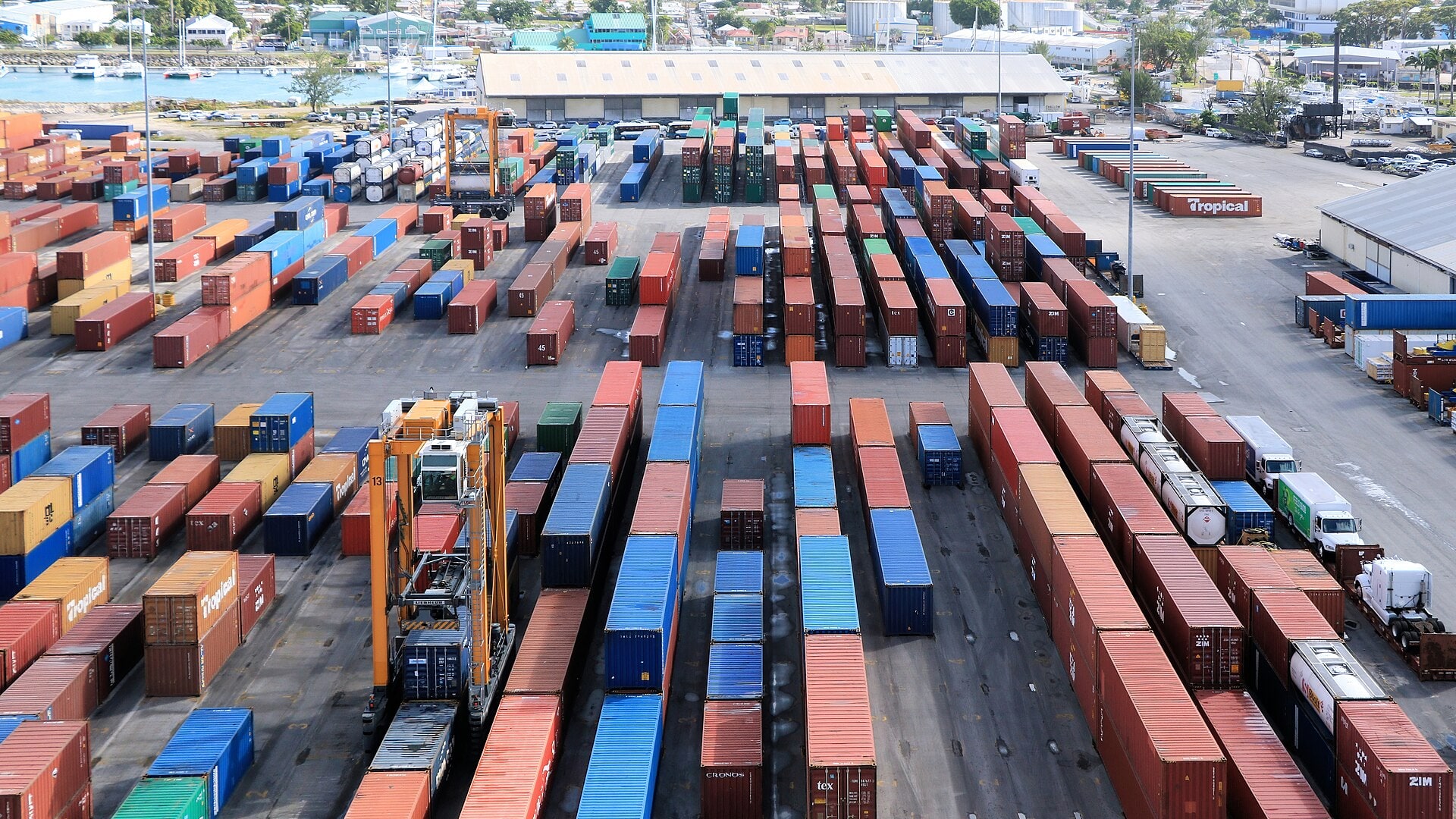
For a lot of China–Mexico shipments, the question is not “what does the freight cost?” — it is “who deals with Mexican customs, the duties and the final delivery?” A DDP (Delivered Duty Paid) assessment can coordinate these legs only after a named eligible Mexican importer and licensed partner customs broker are confirmed; scope, feasibility, inclusions and exclusions are confirmed per shipment on WhatsApp.
Key takeaways
- DDP (Delivered Duty Paid), often marketed as doble despacho on this lane, may package the agreed freight, import clearance, duties, IVA and final delivery after a named eligible Mexican importer and licensed partner customs broker are confirmed; scope, feasibility, inclusions and exclusions are confirmed per shipment on WhatsApp.
- A Chinese seller usually cannot be the importer of record in Mexico. A compliant quote must identify the Mexican importer and how the import is structured.
- It suits cross-border sellers and buyers who want price certainty and a coordinated customs process, while still supplying accurate product and transaction documents.
- A genuine quote must rest on compliant valuation and HS classification — an under-declared DDP price is a risk, not a saving.
- Get the exclusions in writing (NOM, special permits, demurrage, destination storage) before you accept.
- Large, regular importers with an active Padrón often prefer DAP or FOB for more control over the duty.
What DDP means
DDP — Delivered Duty Paid — is the Incoterm under which the seller bears the agreed transport, import-clearance, duty and delivery obligations to the named destination. In practice, both parties still have to provide accurate commercial and product information, and the Mexican declaration must name an eligible importer of record with a valid Padrón where required. If the seller cannot lawfully perform the destination import obligations, a pure DDP sale is not available; the parties need another compliant structure or Incoterm.
In the China–Mexico trade you may hear DDP marketed as doble despacho (double clearance). Ask what the quote actually includes: the commercial Incoterm, customs structure and service scope are related, but a label by itself does not identify the importer or every excluded charge.
For a refresher on how DDP compares with other terms, see DDP vs DAP vs FOB.
Why it is popular on the China–Mexico lane
DDP solves a specific, real problem: a Chinese seller usually cannot be the importer of record in Mexico. Formal import requires the importer to be registered in the Padrón de Importadores, which a foreign company without a Mexican entity does not have.
DDP does not bypass that requirement. Instead, we identify and arrange an eligible Mexican import structure, subject to the cargo and transaction. That can fit:
- Chinese sellers and cross-border e-commerce shipping to Mexican customers without their own Mexican company.
- Buyers who want price certainty — one number, no surprise customs bill.
- Buyers who want one party to coordinate the pedimento, Padrón, sector-registry and NOM work that applies to their shipment.
What a DDP price should include
A DDP quote to Mexico may bundle the following, with the included scope stated in writing:
- Export handling and documentation in China
- Ocean or air freight to the Mexican gateway
- Import customs clearance (the pedimento)
- Import duty — including Mexico’s higher tariffs on many Chinese goods; see Mexico’s 2026 tariffs
- IVA (VAT) and customs fees
- Final delivery to the destination address
The attraction is coordination and price visibility. The thing to watch is what is excluded — read on.
What to check before you accept a DDP quote
DDP is only as good as the quote behind it. Ask:
- Is the duty calculated on the correct HS code and value? A DDP price built on an under-declared value is a risk that lands on you later, not a saving. Insist on compliant valuation.
- What is excluded? NOM certification, special permits, demurrage from delays, or destination-side storage can sit outside the quoted price. Get the exclusions in writing.
- Is the transit clock labelled? For China→Manzanillo or Lázaro Cárdenas, ocean uses 30–45 days port-to-port; for China→Mexico, air uses 4–9 days airport-to-airport. Door-to-door is calculated separately.
- Who is the importer of record, legally? The quote must name the eligible Mexican Padrón holder, explain that party’s role and document the relationship among seller, buyer and importer.
When DDP is not the best choice
DDP is not always right. If you (or your customer) already have an active Padrón and an in-house broker, paying duties directly under DAP or FOB can be cheaper and gives you more control and visibility over the duty itself. Large, regular importers often prefer that. DDP earns its keep when you value simplicity and price certainty over line-by-line control.
Frequently asked questions
What does a DDP price include? Under the ICC rule, the seller bears the agreed transport, import clearance, duties and delivery obligations to the named destination. The commercial quote must still list what the service price includes and excludes, identify the eligible Mexican importer, and state whether NOM work, permits, inspections, storage or demurrage are outside scope. Mexico’s general IVA rate is 16%.
Why can’t a Chinese seller just import into Mexico directly? Formal import requires an eligible importer registered in the Padrón de Importadores. A foreign company without the necessary Mexican setup usually cannot fill that role. For a DDP quote, we identify the compliant Mexican importer and confirm feasibility for the product and transaction.
Is DDP more expensive than handling customs myself? It can be, because the duty and handling are bundled, sometimes with a margin. You trade line-by-line visibility for simplicity and price certainty. Large, regular importers with their own Padrón and broker often save by paying duty directly under DAP or FOB.
What should I check before accepting a DDP quote? That the duty uses the correct HS code and compliant value; what is excluded (such as NOM work, special permits, demurrage or destination storage); whether the quoted clock is port-to-port, airport-to-airport or door-to-door; and exactly who acts as importer of record.
Does DDP cover Mexico’s tariffs on Chinese goods? A genuine DDP price includes the import duty, which on many Chinese goods is higher under Mexico’s 2026 tariff schedule. As of 2026, confirm the rate for your HS code at booking, since rates change.
Before you commit to DDP
Who acts as importer of record decides whether a DDP arrangement is possible at all. The Mexico import document checklist lists that question alongside the RFC, Padrón de Importadores and NOM points it depends on — free, printable, no sign-up.
The bottom line
A DDP arrangement can give China–Mexico sellers one coordinated price for the agreed freight, import and delivery scope. It is not a shortcut around Mexican customs: the quote must use compliant valuation, identify the importer of record, confirm product eligibility and list every inclusion and exclusion. For the full journey it fits into, see our complete guide to shipping from China to Mexico. Tell us your product, volume and destination city on WhatsApp and we will confirm whether DDP is feasible and price the agreed scope.
Sources
Clearance is done by partner brokers; the freight is ours to move
Part of
Tools for this topic