Guide
Shipping from China to Mexico: The Complete 2026 Guide
A practical 2026 overview of shipping from China to Mexico — air vs ocean, ports, transit times, costs, the pedimento, tariffs, NOM and DDP door-to-door.
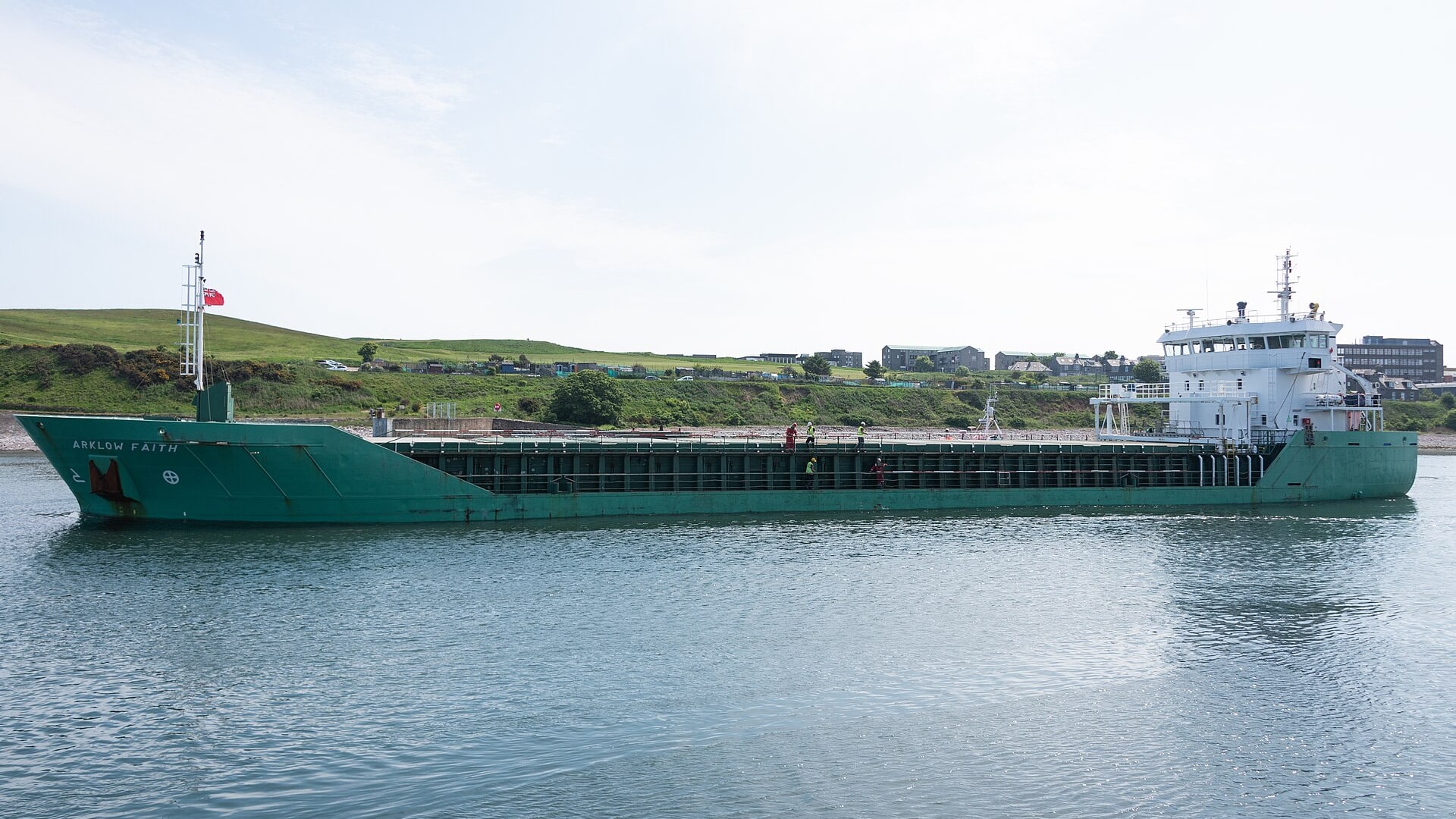
You ship from China to Mexico by choosing a mode — air for speed, ocean for volume — clearing Mexican customs on a pedimento through the route permitted by Customs Law article 40, and delivering inland to the final door. The rest is detail: which port, what it costs, which registrations the importer needs, and how to keep customs from stalling your cargo.
This guide is the overview. It walks the whole lane end to end so you can see how the pieces fit, and points to deeper guides on each step when you need the specifics. Whether you are a Mexican buyer placing a first factory order or a seller stocking up for Amazon and Mercado Libre, the decisions below set your cost and your delivery date.
Key takeaways
- For China→Manzanillo or Lázaro Cárdenas, use 30–45 days port-to-port by ocean. For China→Mexico, use 4–9 days airport-to-airport by air. Neither is a door-to-door promise.
- Compare Manzanillo, Lázaro Cárdenas and Veracruz using the live booked service, direct-or-transshipped pattern, cut-off, terminal conditions and complete inland quote; no gateway is the default for every shipment.
- A formal import uses a pedimento. Article 40 allows the importer or exporter to promote clearance directly or appoint a customs agent or customs agency; Padrón registration remains the general rule for the importer, subject to limited SAT procedures.
- Expect classification- and origin-based import duty + Mexico’s general 16% IVA. The 2026 decree changes only its listed tariff classifications.
- A NOM applies only when the exact product and classification are in the current official scope and Anexo 2.4.1; check exceptions before production.
- We can arrange a compliant DDP structure for a seller without its own Mexican importer registration; the importer of record, product eligibility and scope are confirmed per shipment.
Should I ship by air or ocean from China to Mexico?
Ship by ocean when volume and cost matter, and by air when speed does — most importers use ocean for the bulk and reserve air for urgent or high-value cargo. The two modes are not really competitors; they solve different problems.
Ocean freight moves a full or shared container at a lower per-kilo cost than air for most volume cargo. The trade-off is time: you plan around weeks, not days. Air shortens the main leg for urgent cargo, while the planning benchmark remains 4–9 days airport-to-airport from China to Mexico, subject to the live origin, gateway, capacity and schedule. Many sellers run both at once: an ocean container for the main stock and a small air shipment to keep shelves full while it sails. We compare the economics in our guide to air vs ocean freight from China.
Which Mexican port should I use?
Do not choose a port from a brochure default. Compare Manzanillo, Lázaro Cárdenas and Veracruz against the actual cargo and destination using each live vessel string, whether it is direct or transshipped, the cut-off and available capacity, current terminal conditions, and the full inland cost and timing. A port or connection pattern that works for one shipment is not universally faster or cheaper. See the shipment-specific planning factors in our guides to ocean freight from China to Manzanillo and ocean freight from China to Lázaro Cárdenas and Veracruz.
How long does shipping from China to Mexico take?
For China→Manzanillo or Lázaro Cárdenas, use 30–45 days port-to-port by ocean. For China→Mexico air freight, use 4–9 days airport-to-airport. A Gulf or transshipment ocean routing needs its own live window. Neither main-leg figure is a door-to-door delivery date.
Port-to-port counts only the sea leg; door-to-door counts pickup, export, the sailing, customs and inland delivery — the clock your buyer experiences. Ask us to build that complete window from the live routing, actual cargo and addresses instead of adding a generic buffer to the main-leg figure. Our China to Mexico shipping time guide breaks down each clock.
What does it cost to ship from China to Mexico?
Ocean freight is priced per container (a full FCL load) or by volume for shared LCL cargo, and the all-in landed cost adds origin handling, destination charges, customs and inland delivery on top of the sea freight. Rates move week to week with the market, so any fixed brochure number is misleading.
For an FCL move the headline figure is the container rate, but the number that matters is total landed cost — freight plus the surcharges, clearance and final delivery that turn a port arrival into a delivered pallet. Our breakdown of China to Mexico container shipping cost walks through what sits inside a 2026 quote and where the variation comes from. The cheapest sea freight is not always the cheapest delivered cost, so compare like for like.
How does Mexican customs and the pedimento work?
Every formal import to Mexico clears on a pedimento, the official customs declaration. Under Customs Law article 40, the importer or exporter may promote clearance directly or appoint a customs agent or customs agency; a legal entity using direct clearance acts through an accredited legal representative.
For the invoice or equivalent commercial document, RGCE 2026 rule 1.9.16 requires the transmission in Spanish by default; when the underlying document is in English or French, the transmission may use that same language. Rule 3.1.8 requires Spanish translation of the listed detailed commercial-description data only when those data are in a language other than Spanish, English or French, and extends that treatment to the specified transport and supporting documents. It does not require the entire commercial invoice to be translated. The clearance file also uses the bill of lading or air waybill, packing data, the tariff classification of each product, and any required permits or NOM documents. Missing or inconsistent information can delay release. Our customs and pedimento guide lays out what to prepare.
Do I need to register as an importer in Mexico?
Padrón registration is the general rule for a commercial Mexican importer. SAT also publishes limited procedures, including a one-time authorization for qualifying adult individuals (personas físicas); those are not reusable substitutes for ordinary registration.
For the general route, clearance is promoted in the name of an eligible Padrón holder through one of the article 40 routes. An additional sector-specific register applies only when the exact fracción is in the current Anexo 10 list. A Chinese seller without the required Mexican setup generally cannot be the importer of record; we can assess DDP and identify a qualifying Mexican importer, with the legal relationship confirmed for the shipment.
What duties and taxes will I pay, including 2026 tariffs?
On a formal import you normally pay classification- and origin-based import duty, Mexico’s general 16% IVA on the statutory import base, and customs processing fees. The decree effective January 1, 2026 changes rates only for the tariff classifications it lists.
The duty rate is HS-specific and time-sensitive — this is planning information, not legal advice, so verify before you commit. Our overview of Mexico’s 2026 tariffs on Chinese imports tracks where the increases land. Small parcels follow a different track: the simplified de minimis and courier regime has tightened, and our note on the Mexico courier and parcel tax in 2026 explains what changed for low-value e-commerce orders.
Does my product need NOM certification or special handling?
A NOM (Norma Oficial Mexicana) applies only when the exact product and classification fall within the standard’s official scope and Anexo 2.4.1. When applicable, it may require Spanish-language information, certification or testing. Check the scope and exceptions separately from customs registration.
Resolve it before production, not after the container lands, because relabelling or retesting at the port is slow and expensive. Our NOM certification guide covers which products are caught and how the process works. Electronics carry their own mix of NOM energy and safety norms plus, for radio devices, telecom requirements — covered in importing electronics from China to Mexico. Bulky categories have their own quirks: see importing furniture from China to Mexico for the labeling, wood-packaging and container choices that matter there.
Can I have it delivered door-to-door, including inland?
Yes — we can assess and arrange DDP (Delivered Duty Paid) with a compliant Mexican import structure. The quote identifies the importer of record and confirms the eligible product, valuation, duties, taxes, delivery scope and exclusions. Details depend on the shipment, so confirm them on WhatsApp before booking.
A DDP arrangement can coordinate the agreed freight, pedimento, duties and final leg only after the named importer, clearance route, product eligibility, valuation, charges and exclusions are confirmed. See how it works in our DDP shipping from China to Mexico guide. The final mile matters too: trucking from Manzanillo or Lázaro Cárdenas to Mexico City, Guadalajara or Monterrey has its own cost and timeline, which we break down in inland delivery to CDMX, Guadalajara and Monterrey.
How do I ship to Amazon Mexico or Mercado Libre?
Shipping to a Mexican fulfilment centre adds the platform’s labelling, appointment and box-level preparation rules to customs compliance. Amazon does not replace or standardise the customs route: the eligible importer, declaration route and product requirements still depend on the actual shipment, while the fulfilment-centre receiving rules are a separate gate.
For Amazon FBA, each sellable unit needs the product barcode selected for its FBA tracking setup: an eligible manufacturer barcode or, when required or selected, an Amazon barcode such as the FNSKU. That unit-level identifier is different from the unique FBA box ID shipment label generated for each shipping box; carrier and pallet labels are separate again. Packaging and the inbound plan must match the live Seller Central workflow — our Amazon Mexico FBA freight guide walks through preparing a China shipment for a Mexican fulfilment centre. Mercado Libre Full has its own inbound standards, covered in our guide to shipping from China to Mercado Libre Mexico; if you sell cross-border rather than holding local stock, see Mercado Libre cross-border (CBT) logistics. The ordinary commercial route still needs an eligible Padrón holder, while limited SAT procedures have their own conditions, so plan the customs and platform sides together.
Frequently asked questions
How long does shipping from China to Mexico actually take? For China→Manzanillo or Lázaro Cárdenas, use 30–45 days port-to-port by ocean. For China→Mexico, use 4–9 days airport-to-airport by air. Pickup, export, customs and final delivery are additional.
Do I need to be registered to import into Mexico? Padrón registration is the general rule; the exact classification determines whether a sector register also applies, and limited SAT procedures have their own conditions. If you do not have an eligible Mexican importer, we can assess and arrange a compliant DDP structure.
What taxes will I pay on imports from China? Normally a duty set by the exact classification, origin and preference, plus Mexico’s general 16% IVA on the statutory import base and processing fees. The 2026 decree changes only listed classifications.
Which Mexican port is best for cargo from China? There is no universal best port. Compare Manzanillo, Lázaro Cárdenas and Veracruz using the live vessel string, direct-versus-transshipment pattern, cut-off, terminal conditions and full inland cost and timing for the actual cargo and destination.
Can you handle customs and delivery so I don’t have to? We can assess and arrange the eligible importer, article 40 clearance route and agreed inland or DDP scope. The named importer, product eligibility, valuation, duty, tax, exclusions and delivery are confirmed on WhatsApp for the shipment.
Tell us your origin city, your Mexican destination, the cargo and the timing, and we will come back with a realistic door-to-door plan and price for this week’s market. Message us on WhatsApp — Victor Lee and our Spanish-speaking team reply quickly, and if you are shipping wider across the region, our China to Latin America shipping guide covers the neighbouring lanes.
Sources
- Ley del IVA, artículo 1: tasa generalSAT
- Ley del IVA, artículo 27: base gravable en importacionesSAT
- Decreto de reforma arancelaria, 29 de diciembre de 2025Diario Oficial de la Federación
- Ley Aduanera, artículo 40 (texto vigente; última reforma DOF 19-11-2025)Cámara de Diputados del H. Congreso de la Unión
- Reglas Generales de Comercio Exterior para 2026 — reglas 1.9.16, 3.1.8 y 3.7.35 (texto compilado con la Primera RMRGCE)Servicio de Administración Tributaria (SAT)
- Autorización para importar por única vez sin PadrónSAT
- Anexo 10 de las Reglas Generales de Comercio Exterior para 2026 — mercancías sujetas a padrones sectorialesServicio de Administración Tributaria (SAT)
- Normatividad de NOM y Anexo 2.4.1SNICE
- FBA product barcode requirements: manufacturer and Amazon barcodesAmazon Seller Central
- Shipment label requirements: unique FBA box ID labelsAmazon Seller Central
The service behind this lane
Part of
Tools for this topic