Guide
Shipping from Wuhan: Routes, Transit Times and What to Know
A guide to international shipping from Wuhan, China — ocean and air options from a central China hub to Latin America and beyond, typical transit times, and how inland origin affects your freight.
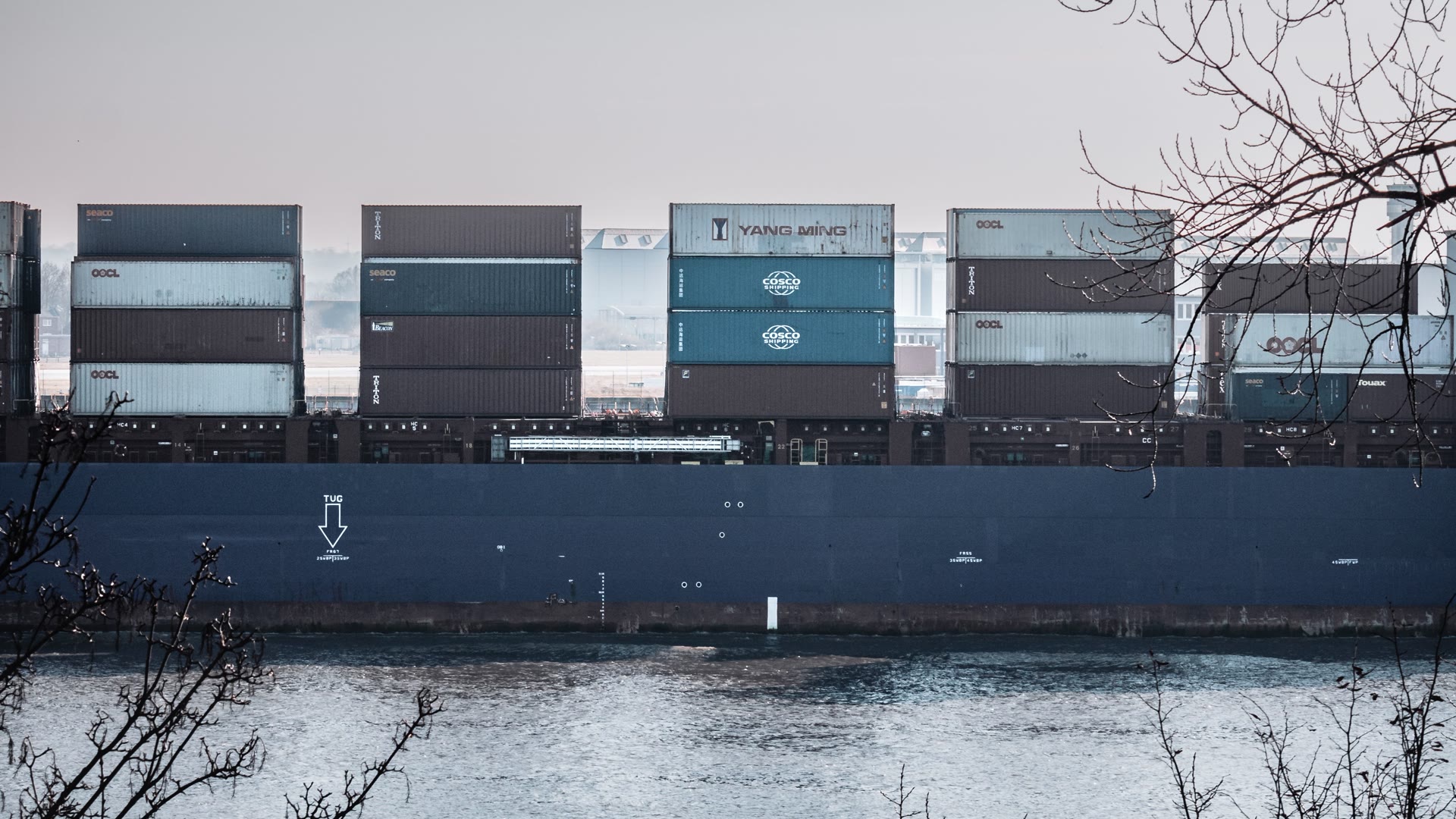
Wuhan sits at the heart of central China, where the country’s road, rail, river and air networks converge. For exporters in Hubei and the surrounding provinces, shipping from Wuhan can be faster and simpler than routing everything through the coast — provided you plan the first leg well. Here is what to know.
Key takeaways
- Wuhan is one of China’s most connected inland cities, with a major international airport and Yangtze River access feeding the eastern seaports.
- For Latin America, ocean is the backbone: cargo moves by truck or river barge to Shanghai, Ningbo or Shenzhen, then sails to gateways like Manzanillo, Lázaro Cárdenas, Buenaventura or Callao.
- Air freight can be planned via Wuhan Tianhe International Airport; confirm the airport-to-airport itinerary against the live service, then plan customs and delivery separately for each shipment.
- An inland origin adds a first-mile component that should be planned and costed, not assumed — build it into your transit estimate.
- A regional forwarder turns the inland leg into an advantage, with existing trucking relationships, barge schedules and bonded facilities.
- We are based in Wuhan and move central-China cargo, while also booking from every major Chinese port, including Shanghai, Shenzhen, Ningbo and Qingdao.
Why Wuhan is a strong origin
Wuhan is one of China’s most connected inland cities. It has a major international airport and Yangtze River access that feeds the eastern seaports — so cargo from central China can reach global markets by air or sea without being trucked across the country first. For our core lanes to Mexico, Colombia and the rest of Latin America, that river-to-port connection makes Wuhan a practical, cost-effective place to start an ocean shipment.
Your two main lanes
Ocean freight is the backbone for Latin America. Cargo moves by truck or river barge to coastal ports such as Shanghai, Ningbo or Shenzhen, then sails onward to gateways like Manzanillo, Lázaro Cárdenas, Buenaventura or Callao. For bulk and heavy cargo, the inland leg is a small addition to an otherwise economical ocean rate — see our China to Latin America shipping guide.
Air freight can move through Wuhan Tianhe International Airport with an onward connection. Confirm the airport-to-airport itinerary against the live service, then assess destination clearance and delivery separately for each shipment.
How inland origin affects your shipment
Shipping from an inland city adds a first-mile component that a coastal origin does not have. This is entirely manageable, but it should be planned, not assumed:
- Build the inland leg into your transit estimate and your costing.
- Consolidate where possible so the first mile is efficient.
- Work with a forwarder based in the region who knows the local trucking, barge schedules and bonded facilities.
A local operator turns the inland leg into an advantage rather than a complication — they already have the trucking relationships and port allocations that an outside forwarder would have to arrange from scratch.
Documentation and customs
Export procedures from Wuhan follow the same national framework as anywhere in China, but a regional forwarder handles the local declaration and any bonded-warehouse steps smoothly. Getting classification and paperwork right at origin prevents the delays that otherwise surface downstream.
Frequently asked questions
Can I ship to Latin America from Wuhan? Yes. Ocean freight can move by truck or river barge to coastal ports such as Shanghai, Ningbo or Shenzhen before sailing onward. Air freight can route through Wuhan Tianhe; confirm the live airport itinerary and plan destination clearance and delivery shipment by shipment.
How does an inland origin like Wuhan affect my shipment? It adds a first-mile component that a coastal origin does not have — entirely manageable, but it should be planned, not assumed. Build the inland leg into your transit estimate and your costing, and consolidate where possible so the first mile is efficient.
Is shipping from Wuhan more expensive than from a coastal port? For bulk and heavy cargo, the inland leg is usually a small addition to an otherwise economical ocean rate. A local operator with existing trucking relationships and port allocations keeps that first mile efficient rather than turning it into a complication.
Do export procedures differ in Wuhan? Export procedures from Wuhan follow the same national framework as anywhere in China. A regional forwarder handles the local declaration and any bonded-warehouse steps, and getting classification and paperwork right at origin prevents delays downstream.
Shipping from Wuhan with us
We are based in Wuhan’s East Lake New Technology Development Zone and move cargo from central China. We arrange ocean and air from here, coordinate first-mile trucking and export formalities through the appropriate licensed providers, and give you one point of contact for the journey. At destination, any import clearance is arranged through a named eligible importer of record and licensed partner customs broker after the product, parties and scope are confirmed shipment by shipment.
Wuhan is our home base, but it is not our only origin — we also book from major Chinese ports, including Shanghai, Shenzhen, Ningbo and Qingdao. Shipping from Wuhan is part of our guide to air and ocean freight from China. Tell us the cargo and addresses so we can compare the inland leg, live service, transhipment and total cost, then confirm the main leg, clearance and delivery scope for that shipment.
The service behind this lane
Part of
Tools for this topic