Guide
Air & Ocean Freight from China: Modes, Costs, Ports & Routes (2026)
The complete 2026 guide to freight from China: air vs ocean, FCL vs LCL, how shipping is priced, which port to use, special cargo and routes to Latin America.
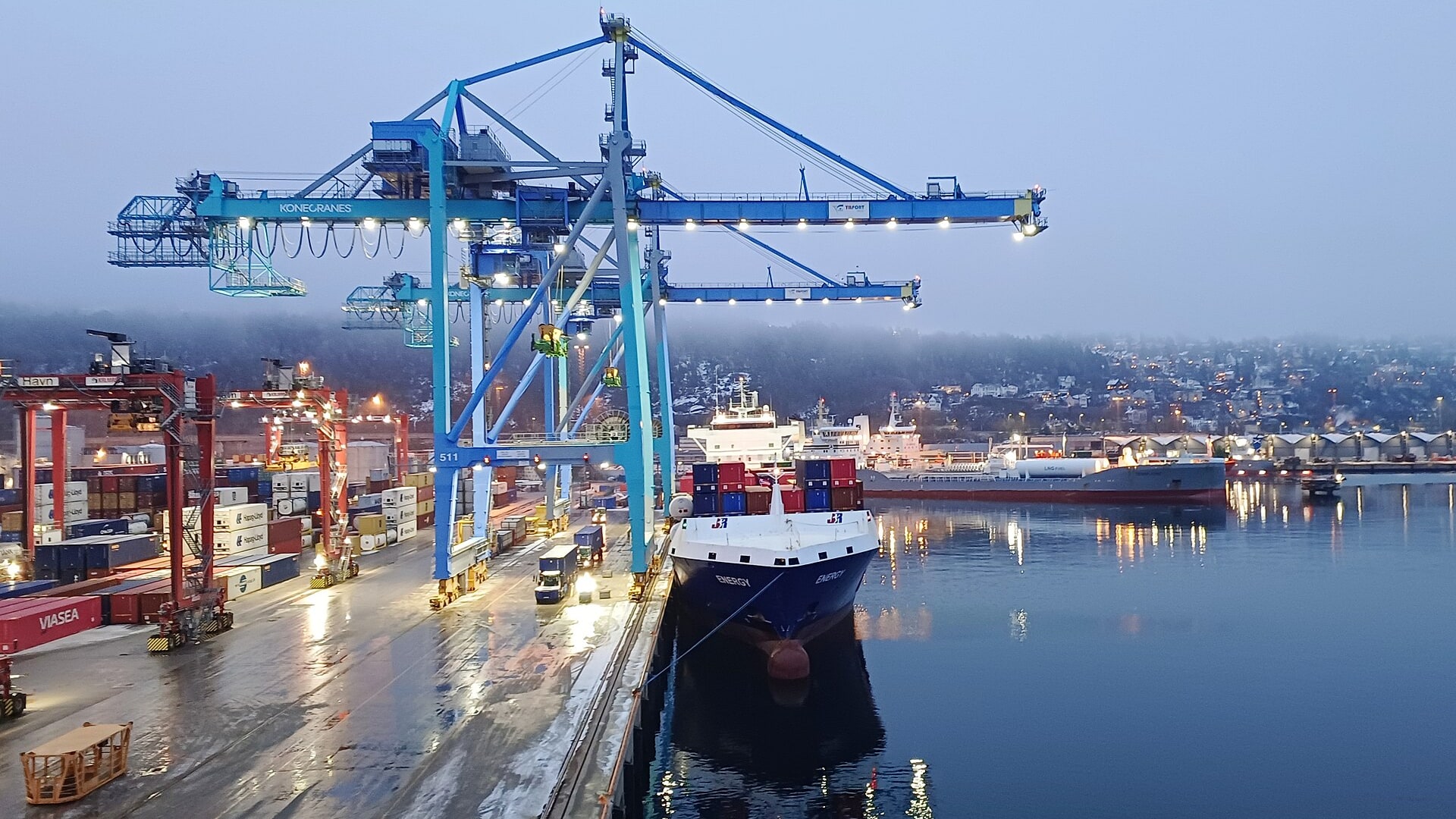
Freight from China moves in two main ways: air freight, which is fast and priced by weight, and ocean freight, which is cheaper for volume and priced by container or cubic metre. The right choice depends on your cargo’s value, weight, urgency and budget — and most experienced importers use both, switching by season and by product.
This guide is the overview. It walks through the decisions every importer faces in order — air or ocean, full container or shared, how the price is built, which Chinese port or airport you ship from, how to handle special cargo, and how it all reaches Latin America. Each section links to a deeper article when you need the detail for your specific shipment. Air freight is our speciality — including direct, next-day flights into Mexico City — but the body below stays educational so you can plan with a clear head.
Key takeaways
- Use the right main-leg clock. Air suits high-value, light or urgent cargo; ocean suits heavy, bulky volume that can plan ahead. Door-to-door timing is confirmed per shipment.
- Air is priced on chargeable weight (the greater of actual and volumetric weight); ocean FCL is per container and ocean LCL is per cubic metre.
- Choose your container deliberately. FCL gives you a whole box; LCL shares one. Container type and size affect what fits and what it costs.
- The headline rate is never the whole price. Surcharges, peak-season increases (GRI) and demurrage/detention can move landed cost significantly.
- Where you ship from matters. South China, Shanghai/Ningbo and inland hubs each have their own strengths for cost and lead time.
- Special cargo has rules. Dangerous goods and lithium batteries need correct classification, packing and documentation, or they get held.
- Latin America is not one market. Routing varies by destination and live service; a Panama transit is one possible path, not a fixed rule.
Air vs ocean freight: which should you use?
Use air freight when speed, value density or urgency dominate, and ocean freight when you are moving volume and can accept a longer main leg. There is no universally better mode — only the one that fits a given shipment.
The clearest way to see the trade-off is side by side. The confirmed planning clocks below cover only the main leg: China→Mexico air uses 4–9 days airport-to-airport, while China→Manzanillo or Lázaro Cárdenas ocean uses 30–45 days port-to-port. Pickup, origin handling, customs and final delivery depend on the cargo, route and addresses and are confirmed per shipment.
| Factor | Lean air | Lean ocean |
|---|---|---|
| Confirmed main-leg transit | China→Mexico: 4–9 days airport-to-airport | China→Manzanillo / Lázaro Cárdenas: 30–45 days port-to-port |
| Pricing basis | Chargeable weight (per kg) | Per container (FCL) or per m³ (LCL) |
| Value-to-weight | High | Low |
| Volume | Small batches, top-ups | Full containers, bulk |
| Typical cargo | Electronics, samples, spare parts | Furniture, machinery, raw materials |
| Disruption recovery | Faster | Slower |
For the full breakdown of cost, transit and reliability, see our dedicated comparison of air vs ocean freight from China. Air freight is the lane we specialise in: on the direct China–Mexico City services we book most, cargo can land next-day before customs and delivery. For other Latin American destinations, air is still an option — schedules vary, so we confirm routing and timing on the quote rather than promising a fixed flight.
If the decision is between two air products rather than two modes, compare commercial air freight with express courier. That distinction keeps business cartons and pallets on a freight workflow while steering personal parcels and documents toward the service model that usually fits them better.
FCL or LCL — and which container do you need?
If you choose ocean, the next decision is whether you need a full container (FCL) to yourself or just space inside a shared container (LCL). The deciding factor is mostly volume: as your cargo grows past roughly half a container, a full box usually becomes cheaper per cubic metre and lower-risk because nobody else’s freight travels with yours.
LCL lets you ship small volumes without paying for empty space, but it adds consolidation and deconsolidation handling at both ends, which can lengthen the timeline. FCL is faster end to end, simpler at customs, and protects fragile cargo from being stacked under someone else’s. The crossover point where one becomes cheaper than the other is the practical question — we cover it in detail in FCL vs LCL ocean freight.
Orders from several factories add another layer before FCL or LCL is chosen. The guide to multi-supplier consolidation in China covers receiving marks, discrepancy control, document reconciliation and the cargo-ready milestone for Latin American importers.
Once you are on FCL, the box itself matters. A 20-foot and a 40-foot differ in more than length; high-cube, reefer and open-top units exist for a reason, and choosing the wrong one wastes capacity or money. See shipping container types and sizes to match the equipment to your cargo before you book.
How is freight from China priced?
Freight is priced differently by mode, and the headline rate is only the starting point — surcharges and timing can move your final landed cost meaningfully.
Air freight is billed on chargeable weight: the carrier compares your shipment’s actual weight against its volumetric (dimensional) weight and charges whichever is greater. Light but bulky cargo therefore costs more than its scale weight suggests, which is why packing efficiency matters so much on air. The mechanics, with worked examples, are in chargeable weight for air freight. The same cubic logic across air, courier and ocean LCL is in volumetric weight and cubic measurement, and how much actually fits in a box is in container CBM capacity.
Ocean freight starts from a base rate — per container for FCL, per cubic metre for LCL — and then adds a layer of surcharges: bunker (fuel) adjustments, terminal handling, documentation, and origin or destination fees. These are normal, but they vary and they change, so always read the full cost breakdown rather than the headline number. We unpack the common line items in ocean freight charges and surcharges.
Two timing-driven costs catch importers out. First, peak season (and carrier GRI rate increases) can lift ocean rates sharply around major buying periods and holidays — plan and book early, and confirm current levels at the time you ship, because these are time-sensitive. See peak season shipping and GRI, and for the single most predictable peak, our guide to the Chinese New Year 2027 factory shutdown. Second, demurrage and detention are penalties that accrue when a container sits too long at the port or off-port; they are avoidable with good coordination but expensive when ignored, as explained in demurrage and detention.
If you want a concrete sense of total cost on a real lane, our worked example for China to Mexico container shipping cost shows how the pieces add up. We do not quote fixed prices in a guide like this — rates and surcharges move week to week — so treat all of the above as planning structure and confirm the current numbers on a live quote.
Which Chinese port or airport should you ship from?
Ship from the gateway closest to where your goods are made — but the cheapest or fastest origin is not always the nearest one, so it pays to compare. China’s export volume concentrates in a few regions, each with its own strengths.
- South China (Shenzhen, Guangzhou and the wider Pearl River Delta) is the hub for electronics, consumer goods and e-commerce, with deep air and ocean capacity. See shipping from Shenzhen and South China.
- Shanghai and Ningbo are major Yangtze River Delta gateways for general cargo, machinery and FCL volume. Compare factory distance, cut-off, live service and total cost in shipping from Shanghai and Ningbo.
For air specifically, the major airports in Beijing, Shanghai, Shenzhen, Guangzhou and Hong Kong all feed the direct long-haul services, and we route your cargo through whichever gives the best space and timing for your destination. As a Wuhan-based forwarder, we also consolidate inland cargo efficiently toward the right coastal or air gateway rather than defaulting to the closest one.
How do you ship special or fragile cargo?
Special cargo is shippable, but it has rules — and getting the classification, packing and paperwork right is the difference between smooth transit and a hold at origin. This is where an experienced forwarder earns its keep.
Dangerous goods requirements depend on the transport mode, product details and current acceptance path. Verify the classification, packing, documents and carrier acceptance for the actual shipment; the dedicated process is in shipping dangerous goods from China.
Lithium batteries also require shipment-specific verification based on how the battery is presented, packed and transported. See shipping lithium batteries from China for the dedicated checks.
Even ordinary cargo benefits from proper preparation. Good packing and palletising protects goods in transit, reduces volumetric weight on air, and prevents the damage that LCL stacking can cause. Our practical guide to how to pack and palletise export cargo shows how to do it well.
How does freight from China reach Latin America?
Most China→Latin America cargo crosses the Pacific by sea, with air used for the urgent or high-value exceptions — and the routing depends heavily on whether your destination sits on the Pacific or the Atlantic. The two coasts behave very differently.
Pacific-coast, Atlantic and Gulf destinations use different service strings. A Panama Canal transit or transshipment may appear in the live routing, but it is not universal; confirm the actual port sequence when quoting. For the country-by-country picture, see the China to Latin America shipping guide, shipping from China to Ecuador and Guayaquil, or shipping from China to the Dominican Republic. We also cover Bolivia, Uruguay and Costa Rica.
Two honesty notes protect your delivery date. First, for China→Manzanillo or Lázaro Cárdenas, ocean uses 30–45 days port-to-port; for China→Mexico, air uses 4–9 days airport-to-airport. Second, neither number includes every door-to-door leg.
Frequently asked questions
How long does freight from China take?
For China→Manzanillo or Lázaro Cárdenas ocean freight, use 30–45 days port-to-port. For China→Mexico air freight, use 4–9 days airport-to-airport. Other destinations and every door-to-door window require a shipment-specific quote.
Is air or ocean freight cheaper from China?
Ocean is almost always cheaper for heavy or bulky cargo, often dramatically so, because it is priced per container or per cubic metre. Air becomes competitive for small, light, high-value or urgent shipments once you factor in faster delivery and cash recovery. Compare them on your actual weight and volume rather than a rule of thumb.
Do I need a full container (FCL) or can I share one (LCL)?
Use LCL for small volumes where you do not want to pay for empty space, and FCL once your cargo grows past roughly half a container, where a full box usually becomes cheaper per cubic metre and lower-risk. The exact crossover depends on your rates and cargo.
What extra charges should I expect beyond the freight rate?
Expect ocean surcharges (fuel, terminal handling, documentation), possible peak-season or GRI increases at busy times, and demurrage/detention if a container sits too long. On air, watch chargeable weight, since bulky cargo is billed on volume. All of these are time-sensitive, so confirm current levels on a live quote.
Can you ship dangerous goods or lithium batteries from China?
Possibly, subject to the product and mode. Send the exact cargo details so the applicable classification, packing, documents, carrier acceptance and route can be verified; see our dangerous-goods guide.
Get a clear quote
Air freight is our speciality — including cargo loaded on direct flights that can land the next day in Mexico City (MEX / NLU) — and we quote air and ocean side by side so you can see the real trade-off for your shipment. Tell us your origin, destination, weight and timeline, and our Spanish-speaking team will come back with a realistic routing and a clear quote. Message Victor Lee on WhatsApp for a fast, no-obligation quote.
Where this leads
Part of
Tools for this topic