Guide
Importing Auto Parts from China to Mexico: NOM, Fracción & Duties
How to import auto parts from China to Mexico: classification by fracción, conditional NOM and sector checks, anti-dumping screening, IVA, IMMEX eligibility and DDP.
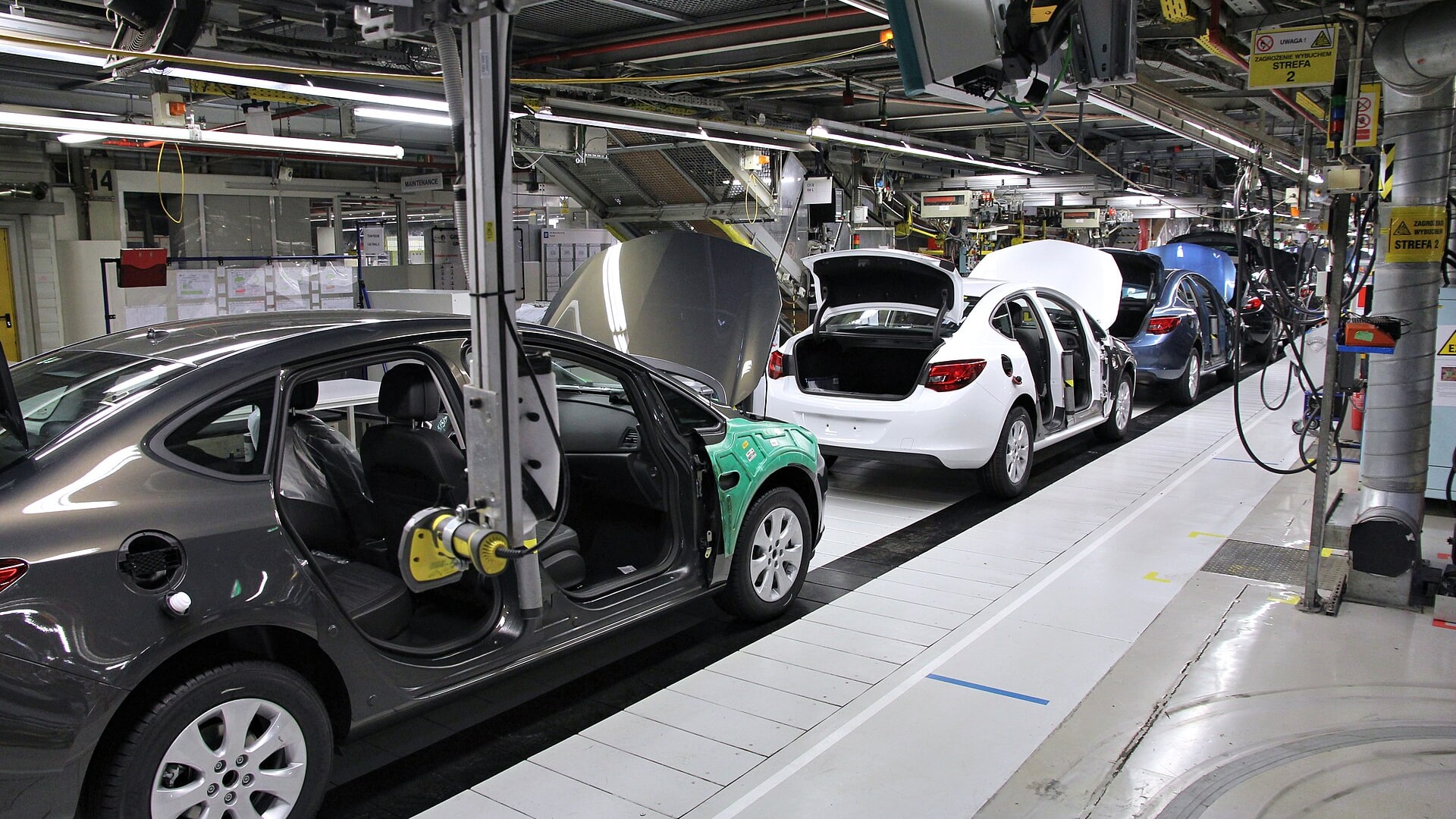
Importing auto parts from China to Mexico starts with getting the fracción right. The exact classification drives the duty and determines which current lists must be screened for a sector register, NOM treatment or a compensatory-duty resolution. This guide covers how to classify, clear and cost an auto-parts shipment without assigning a rule from the broad product label alone.
Key takeaways
- Classification comes first. Auto parts sit across several HS chapters (notably 87, plus 40 for tyres, 85 for electrical parts and 70 for glass); use the exact fracción to determine duty and screen current compliance lists.
- A part needs a NOM only when its exact tariff classification and product characteristics fall within the applicable rule and Anexo 2.4.1; do not assign NOM-050 or a safety standard from the broad label “auto part.”
- Anti-dumping duties (cuotas compensatorias) are resolution- and classification-specific, so screen the exact fracción instead of generalising from the material or component name.
- A sector-specific Padrón applies only when the exact fracción is listed in the current Anexo 10 and no applicable exception controls.
- As of 2026, plan for fracción- and origin-specific duty plus Mexico’s general 16% IVA on the article 27 import base; confirm the live treatment.
- IMMEX is available only to a qualifying Mexico-resident legal entity for an authorised temporary-import operation. A DDP door-to-door option is assessed shipment by shipment and must name the eligible Mexican importer and article 40 clearance route; scope and price are confirmed on WhatsApp.
Should I ship auto parts by ocean or air?
For auto parts, ocean freight is the default, with air reserved for urgent shortages.
Most aftermarket and OEM replenishment moves by sea on cost. Air freight earns its premium only for urgent line-down spares or small, high-value components a workshop or plant is waiting on. For China→Manzanillo or Lázaro Cárdenas ocean freight, use 30 to 45 days port-to-port as the main-leg benchmark; pickup, customs and delivery must be added for the complete window. The economics are in air vs ocean freight from China.
Why does classification matter so much for auto parts?
Because “auto parts” is not one tariff line: the goods span multiple HS chapters, and the fracción you land on decides your duty, your NOM exposure and whether a cuota applies.
- Chapter 87 covers many vehicle parts and accessories, but tyres sit in chapter 40, electrical parts (lighting, batteries, sensors) in chapter 85, and safety glass in chapter 70.
- The duty rate varies widely across these.
- A misclassification can hide a NOM requirement or a cuota until the border.
Get the fracción confirmed before you order — our guide to HS codes and tariffs explains how classification works and why it is the first step.
What NOM and compliance rules apply to auto parts?
There is no reliable category-wide answer. Start with the Mexican fracción arancelaria, then check whether that classification and the product’s actual function appear in the current NOM rules and Anexo 2.4.1. A safety standard, certification or Spanish commercial-information requirement applies only when the official scope captures the product; relevant exceptions must be checked at the same time.
Which products are caught is summarised in our checklist of which products need NOM to import into Mexico, and the certification process is in our NOM certification guide. Screen your specific parts before ordering, because retrofitting compliance at the port is slow and costly. This is planning information, not legal advice — the official determination sits with the authorities for your exact product.
What duties and anti-dumping charges apply?
Your landed cost is the freight plus duty and tax. As of 2026, the layers are:
| Component | What it is | Notes for auto parts |
|---|---|---|
| Import duty | Tariff applied under the customs-valuation and tariff rules | Fracción-, origin- and preference-specific |
| Cuotas compensatorias | Anti-dumping duty | Apply only when a current resolution covers the exact product, fracción and origin |
| IVA | Value-added tax | Mexico’s general rate is 16%; article 27 defines the import base |
Two planning points:
- Check for cuotas compensatorias. Search the current resolutions for the exact fracción and origin; a broad label such as “steel part” is not enough to establish a charge.
- Watch the 2026 tariff scope. The decree effective January 1, 2026 changes only the classifications it lists. Verify the exact code, origin and live rate.
What about IMMEX and the auto industry?
IMMEX is an authorised temporary-import framework for qualifying Mexico-resident legal entities carrying out an industrial process or export service. Within the authorised operation, specified import charges may be deferred; the programme is not a category-wide exemption for auto parts.
If you supply parts into a Mexican OEM or tier supplier, the IMMEX treatment can change how duty applies to your goods. Whether it fits depends on your role in the chain — see the IMMEX program explained. For straightforward aftermarket imports, IMMEX usually does not apply and you import normally.
Who handles classification, customs and delivery? Our DDP option
If the classification, NOM screening and duty checks are more than you want to coordinate separately, we can assess a DDP (Delivered Duty Paid) structure after the product, importer and clearance route are checked.
We can assess and arrange a compliant DDP structure covering the agreed origin, freight, import and delivery legs. The named Mexican importer, article 40 clearance route, classification, product eligibility, NOM and cuota treatment, included charges and exclusions are confirmed for the shipment on WhatsApp.
Frequently asked questions
How are auto parts classified for Mexican customs? By fracción arancelaria, spread across several HS chapters — chapter 87 for many parts, 40 for tyres, 85 for electrical parts, 70 for glass. The fracción sets the duty, any NOM and any cuota, so confirm it before ordering.
Do auto parts need a NOM? It depends on the exact fracción, product function and current Anexo 2.4.1. Do not assume NOM-050 or a safety NOM applies solely because the item is an auto part; screen the official scope and exceptions before ordering.
Do Chinese auto parts face anti-dumping duties? Some classifications may. Check the current resolution for the exact fracción, product description and origin; material or category alone does not establish a cuota.
How long do auto parts take to ship from China to Mexico? For China→Manzanillo or Lázaro Cárdenas ocean freight, use 30–45 days port-to-port. For China→Mexico air freight, use 4–9 days airport-to-airport. Confirm the full door-to-door window on the quote.
Get a quote for your auto-parts shipment
Auto parts reward starting with the classification: pin the fracción, screen the current Anexo 10, NOM and compensatory-duty rules, and budget duty plus IVA into your true landed cost before you order.
When you are ready for real numbers, message us on WhatsApp with the parts, volume and destination, and we will send a tailored quote with a realistic door-to-door window. Auto parts are one lane within our customs and compliance guide; for the Mexico lane overall see our complete guide to shipping from China to Mexico.
Sources
- Ley del IVA, artículo 1: tasa generalSAT
- Ley del IVA, artículo 27: base gravable en importacionesSAT
- Decreto de reforma arancelaria, 29 de diciembre de 2025Diario Oficial de la Federación
- Normatividad de NOM y Anexo 2.4.1SNICE
- Anexo 10 de las Reglas Generales de Comercio Exterior para 2026 — mercancías sujetas a padrones sectorialesServicio de Administración Tributaria (SAT)
- Ley Aduanera, artículo 40 (texto vigente; última reforma DOF 19-11-2025)Cámara de Diputados del H. Congreso de la Unión
- Cuotas Compensatorias: NormatividadSNICE
- IMMEX: Acerca deSecretaría de Economía — SNICE
Clearance is done by partner brokers; the freight is ours to move
Part of
Tools for this topic