Guide
Shipping from China to Chile and Brazil: Customs-First Planning
Compare China–Chile origin claims with Brazil's formal Siscomex and Mercosur framework, using live routing and shipment-specific tax checks.
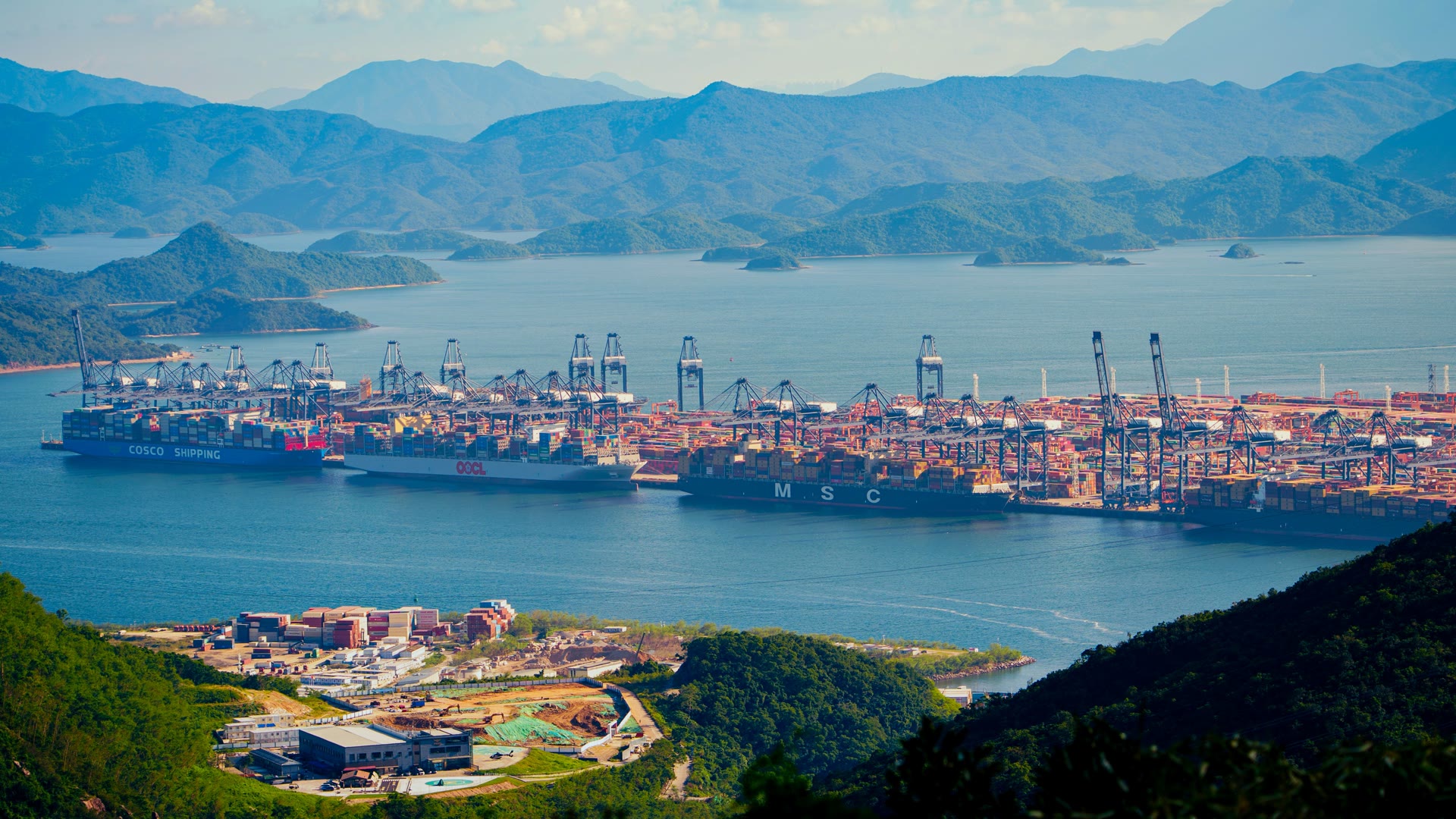
Chile and Brazil require different import planning. Chile has a trade agreement with China, but preferential treatment is available only when the goods meet the agreement’s product-specific origin rule and the claim uses the applicable proof. Brazil uses a formal customs declaration and its NCM/Mercosur tariff framework; commercial cargo should not be priced as if ordinary courier taxation automatically applied.
Compare the two lanes
| Decision | Chile | Brazil |
|---|---|---|
| Origin preference | Possible under the Chile–China agreement for qualifying goods | Do not assume a China preference; check current NCM and national treatment |
| Core proof | Classification, product-specific origin rule and applicable origin document | NCM, import declaration, value, licenses and tax treatment |
| Port choice | Select against current service and inland destination | Select against current service, customs plan and inland destination |
| Transit | Confirm the live port-to-port itinerary and transshipment | Confirm the live port-to-port itinerary and transshipment |
Do not turn geography into a fixed Panama Canal or carrier promise. Services, rotations, transshipment hubs and omissions change; the booking quotation and carrier schedule control the current route.
Chile: preference is shipment-specific
The agreement page publishes tariff schedules, product-specific origin rules, the certificate form and related procedures. For each shipment:
- classify the product under Chile’s tariff;
- confirm that it satisfies the applicable origin rule, rather than treating “shipped from China” as origin evidence;
- use the proof of origin allowed by the currently effective agreement text and keep supporting records; and
- verify the live preferential rate and any non-tariff permits before dispatch.
The source portal is also the place to check later protocol changes. Do not treat a signed but not yet effective text as current law.
Brazil: use the formal import framework
Receita Federal states that foreign goods are subject to import clearance based on an import declaration, generally through Siscomex using the applicable DI, Duimp or DSI route. The formal file must align importer eligibility, NCM, value, documents and any administrative controls.
Brazil’s import cost can include multiple federal, state and logistics components. Calculate them from the exact NCM, customs value, regime and destination state. A simplified postal or express-remittance rule is not a default tax model for ordinary commercial ocean cargo.
Brazil is also in a staged consumption-tax transition. The 2026 official guidance includes transitional compliance rules; it does not support replacing the shipment calculation with one universal “new tax” percentage. Have the importer and Brazilian tax/customs professionals confirm the current treatment.
Quote checklist
Send product description, HS/NCM candidate, origin evidence, value, Incoterm, weights, dimensions, port options and final delivery city. We will compare live sailings and define whether the quote is port-to-port or includes agreed destination services.
Any DDP or importer arrangement depends on product eligibility, named importer, licenses, classification, taxes and written scope. Confirm all of these per shipment on WhatsApp.
Sources
- Chile–China Free Trade Agreement — official texts and annexesSUBREI — Gobierno de Chile
- Current Chilean trade agreements and origin-certification regimesSUBREI — Gobierno de Chile
- Import customs clearance — introductionReceita Federal do Brasil
- Tax treatment on importationGoverno Federal do Brasil
- MERCOSUR frequently asked questions — Common External TariffMERCOSUR
- 2026 consumption-tax reform guidanceReceita Federal do Brasil
The service behind this lane
Part of
Tools for this topic