Guide
Shipping from China to Brazil: A Guide to the Port of Santos
Shipping from China to Brazil via Santos: routing, Siscomex / Sistema Habilita, the 2026 CBS/IBS transition and formal-import tax planning.
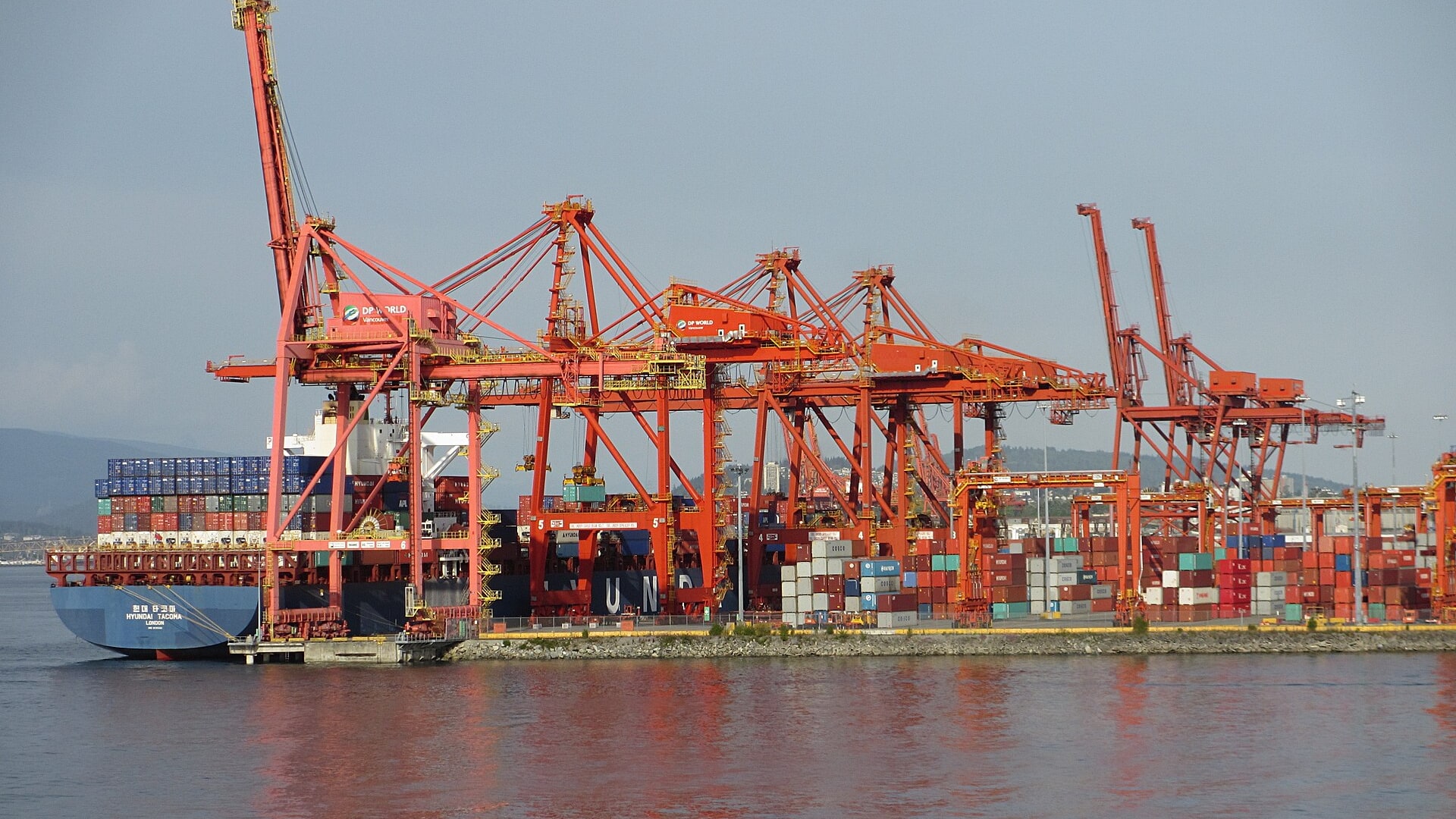
Shipping from China to Brazil can use the Port of Santos, a major container gateway serving São Paulo and the southeast. The booked carrier service determines the ocean routing. For formal import, verify the declarant’s current Siscomex / Portal Único status, representatives, product controls and tax treatment for the exact entry.
Key takeaways
- Santos is a major Brazilian gateway for cargo serving São Paulo and the southeast; compare the live terminal call, inland leg and total quote.
- The carrier’s current service determines any canal, hub or transshipment. Treat port-to-port and agreed destination services as separate planning clocks.
- Before formal clearance, check whether the declarant must apply through Sistema Habilita in Portal Único Siscomex, which representatives are credentialed and which exceptions or product controls apply.
- Formal-import taxes and charges depend on the NCM, origin, customs value, state and regime. Do not copy a courier-remittance calculation into a commercial entry.
- Mercosur membership alone does not establish the rate for Chinese-origin goods; verify the current tariff and any agreement eligibility for the shipment.
- A DDP structure is assessed only after the eligible Brazilian importer, licensed broker, taxes, scope, exclusions and delivery feasibility are confirmed on WhatsApp.
When should you consider Santos?
Santos is a major Atlantic gateway in São Paulo state, close to a large industrial and consumer market.
Its proximity can make Santos suitable for cargo destined for São Paulo and the wider southeast. Other Brazilian ports may be better for a particular carrier service or inland destination, so compare the live FCL/LCL option, terminal, cut-off and inland cost instead of relying on a static port ranking.
How does ocean freight reach Santos from China?
Ocean freight reaches Santos on the carrier’s booked Asia–Brazil service, which may use one or more hubs, canals or transshipments.
Because Santos is on South America’s Atlantic side, compare the named service, connection risk and port-to-port window in the current quote. No single canal or transshipment pattern applies to every shipment.
A couple of points to plan around:
- We quote door-to-door ocean transit as a range, not a single guaranteed day count, because canal conditions, transshipment dwell and customs all move the timeline.
- Always confirm whether a quoted transit is port-to-port (the sea leg only) or door-to-door (origin pickup, export clearance, sea leg, import clearance and final delivery). Door-to-door is always longer.
For country-specific planning, see our China to Chile and Brazil guide and the wider China to Latin America shipping guide; confirm the live service independently for each lane.
Is air freight an option to Brazil?
Yes, air freight is an option for urgent, high-value or low-weight cargo into Brazil. The live quote must name the airport and routing; do not assume São Paulo–Guarulhos (GRU) or any other gateway for every shipment.
Air is the fast alternative when the long ocean route does not fit your timeline. We do not publish fixed air schedules for Brazil, because frequencies and routings change; do not apply promotional timings from another lane to São Paulo. When you need speed on this lane, ask us for current options.
What customs system handles imports in Brazil?
Formal imports are cleared through Siscomex / Portal Único under the current Receita Federal procedure. Unless an exception applies, a legal-entity declarant normally requests habilitation through Sistema Habilita in Portal Único; RADAR is a legacy shorthand still used in the market, not the current system name.
Two things are essential before cargo even arrives:
- Importer habilitation and representation. Confirm the current Sistema Habilita / Siscomex status, any entry-specific exception and the representatives credentialed for the declarant before cargo is booked.
- Accurate declarations in Siscomex / Portal Único. Brazil’s clearance is detail-intensive. The HS classification (NCM code), values and documents must be precise and consistent.
Treat the entry as a documentation and product-control exercise as well as a freight movement. Confirm the commercial invoice, packing list, transport document, NCM classification and any product-specific permit with the importer and broker before dispatch.
What taxes and duties apply on imports to Brazil?
Brazil’s formal-import calculation can include II (import duty), IPI, PIS/COFINS, state ICMS and AFRMM on ocean freight. Brazil is also in the 2026 CBS/IBS transition, so applicability, document treatment and amounts must be calculated for the entry date rather than copied from a pre-reform example.
A planning-level view of the main components:
| Component | What it is | Planning note |
|---|---|---|
| II (Imposto de Importação) | Federal import duty on the customs value | Rate depends on the NCM code; Brazil applies the Mercosur common external tariff |
| IPI | Federal tax on industrialised products | Rate varies by product; confirm current |
| PIS / COFINS | Federal social-contribution taxes on imports | Confirm their 2026 treatment alongside the CBS/IBS transition |
| ICMS | State-level tax | Confirm the product-, state- and regime-specific calculation for the formal entry |
| AFRMM | Merchant-marine renewal surcharge on ocean freight | A freight-based surcharge specific to sea cargo; confirm current basis |
Confirm every component for the NCM, origin, customs value, state and entry procedure using the current formal-import rules or official simulator. Postal and express-remittance calculations are a different regime and must not be reused as a shortcut.
The Receita Federal describes 2026 as the opening transition year for CBS and IBS, with new electronic-document obligations. That does not justify treating the old tax stack as already replaced or applying one generic transition rate to every import; use the current rules for the exact transaction and entry date.
Do not infer a duty rate from Mercosur membership alone. Check the current Brazilian tariff and whether any agreement, exception or origin rule applies to the exact NCM and origin on the entry date.
How do Incoterms, language and DDP fit together?
Your Incoterms decide who handles export clearance, the main carriage, insurance and the Brazilian import obligations — and on a market this bureaucratic, that division of responsibility really matters.
We can assess a DDP structure through qualified Brazilian partners after identifying an eligible importer and the applicable product, state and tax regime. The named party, scope, exclusions and price are confirmed for the shipment on WhatsApp.
Frequently asked questions
Do I need to be registered to import into Brazil? For a formal entry, confirm the declarant’s current Siscomex / Portal Único status, any applicable exception and its credentialed representatives before booking.
Which taxes apply when importing into Brazil? Potential components include II, IPI, PIS/COFINS, state ICMS and AFRMM, subject to the exact entry. Confirm applicability, bases and rates for the NCM, origin, state and regime; do not reuse a courier calculation for a formal import.
How long does shipping from China to Santos take? We give a port-to-port range for the named live service, then confirm clearance and any agreed destination services separately. Routing and connections vary by carrier and sailing.
Does Brazil have a free trade agreement with China? Do not assume either a preference or a standard rate. Verify the current Brazilian tariff, origin rules and any applicable agreement or exception for the exact goods and entry date.
Can you handle customs in Brazil even though it is Portuguese-speaking? We can coordinate qualified local parties, subject to the shipment. A DDP quote must name the eligible importer and licensed broker and confirm declarations, taxes, scope, exclusions and feasibility before booking.
Get a quote for your Brazil shipment
Santos is a major Atlantic gateway. The useful plan is shipment-specific: named service, port-to-port window, current Siscomex / Portal Único requirements, qualified parties and an entry calculation for the exact NCM, origin, state and regime.
The Brazil lane is part of our guide to air and ocean freight from China. For a clear, honest quote covering routing, clearance, taxes and delivery, message us on WhatsApp with your origin, volume, product and destination, and we will put together a tailored plan.
Sources
- Import clearance: preliminary considerationsReceita Federal
- Habilitação via Sistema HabilitaReceita Federal
- Tax treatment on importationInvest & Export Brasil
- Orientações da Reforma Tributária para 2026Receita Federal
- Frequently asked questionsMERCOSUR
- Incoterms 2020: DDP ruleICC
The service behind this lane
Part of
Tools for this topic