Guide
Shipping from China to Peru via Callao: Origin and SUNAT Checks
Plan China–Peru freight through Callao with live routing, shipment-specific origin proof and current SUNAT import procedures.
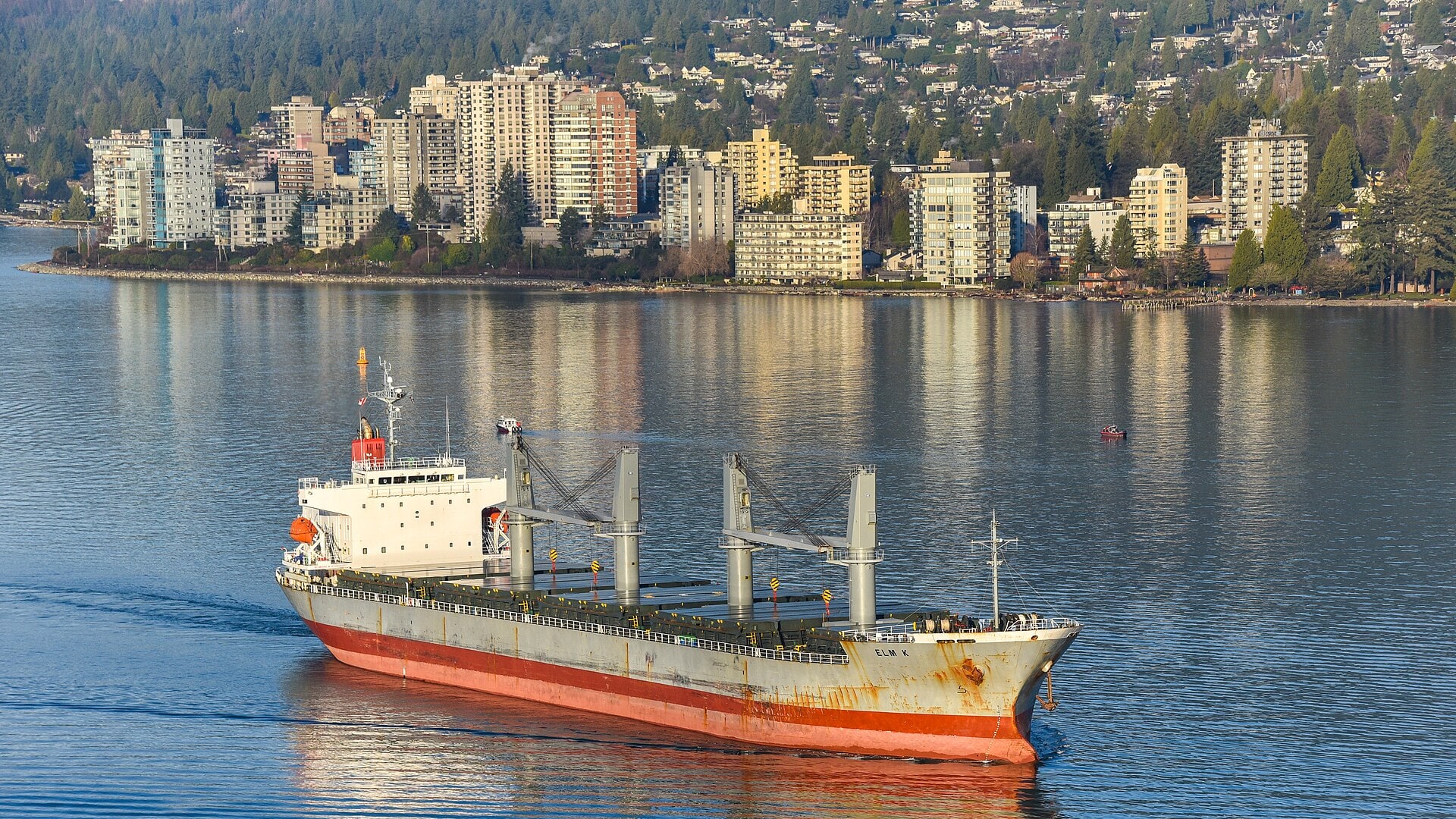
Callao is a major maritime gateway for cargo serving Lima and other Peruvian destinations. The useful planning questions are not a port ranking or a fixed number of days: they are the current sailing, transshipment plan, import declaration, product controls and whether a Peru–China preference can be supported for this shipment.
Route and timing
Choose the Chinese load port and Callao service from the current carrier schedule. Confirm whether the quoted itinerary is direct or transshipped, its cut-off, estimated port-to-port window, free-time terms and inland handoff. Carrier rotations and connections change, so this guide does not publish a fixed transit promise or a static carrier list.
Peru–China origin preference
An origin document is not an unconditional requirement for every shipment. It matters when the importer claims preferential tariff treatment under the agreement.
The official FAQ identifies two forms of proof under the applicable agreement framework: a Certificate of Origin and a qualifying Declaration of Origin. Which one can be used, who may issue it and what evidence must support it depend on the currently effective text and the shipment facts.
Before making a claim:
- classify the goods under Peru’s tariff;
- check the product-specific origin rule;
- document production and inputs sufficient to support that rule;
- use the proof permitted for the transaction; and
- confirm the live preferential rate and declaration treatment with the importer and customs agent.
The official texts page currently labels the optimization protocol as signed and pending entry into force. Do not apply its new provisions until the official status changes; recheck at shipment date.
SUNAT customs file
SUNAT’s import-for-consumption procedure governs the declaration and supporting data. Prepare consistent consignee/importer details, classification, commercial invoice, transport document, value, packing information and any required control document.
Restricted goods require the authorization or control document of the competent authority through the applicable process. Product name alone is not enough to decide this; confirm the exact classification and intended use before dispatch.
Quote checklist
Use this as a commercial comparison checklist. It is not a published tariff or a customs-document requirement list.
| Decision | Ask for |
|---|---|
| Origin scope | Pickup point or Chinese port, and where the quoted responsibility begins |
| Main carriage | Direct or transshipment routing, estimated departure/arrival and cargo/document cut-offs |
| Destination handoff | Quoted terminal or deconsolidation scope and the party arranging pickup |
| Time outside the sailing | Who confirms clearance readiness, release and inland delivery |
| Charges and exclusions | Included services, separate destination charges, free-time terms and quote validity |
| Final delivery | City/address, access restrictions and unloading arrangements where delivery is requested |
Compare like with like. A port-to-port figure and a proposal including inland delivery are not interchangeable. Keep unconfirmed items visible in the quote instead of treating a blank field as included.
Key takeaways
- Separate the ocean itinerary to Callao from clearance and final inland delivery.
- Quote against the cargo-ready date, final package dimensions and destination city.
- Confirm transshipment, destination scope and exclusions in writing.
- Shipment from China does not automatically qualify for Peru–China preferential treatment; verify the origin rule and permitted proof.
Frequently asked questions
Does arrival at Callao tell me when the goods reach Lima? No. Vessel arrival, import release, cargo availability, pickup and any agreed inland delivery are separate milestones. Ask for the scope and current assumptions behind each one.
Does “shipped from China” mean the goods receive the Peru–China preferential tariff? No. Country of shipment and qualifying origin are different questions. Check the product’s origin rule and permitted proof before claiming preference.
Is total CBM enough for an LCL quote? Send package count, outer dimensions, gross weight and stacking information. Total volume does not describe a long crate, a heavy individual piece or a non-stackable pallet.
Can I request delivery beyond the port? Describe the final location and cargo first. Ask for destination services, responsible parties and exclusions in writing. A DDP request also needs shipment-specific confirmation of the compliant importing structure, importer of record and scope.
Send product description, proposed HS code, origin basis, value, Incoterm, package count, dimensions, gross weight, preferred China port, Callao or alternative gateway, and final city. We will return a live port-to-port option and clearly identify any agreed destination service.
A requested DDP arrangement is assessed only after importer eligibility, permits, origin claim, valuation, tax treatment and scope are confirmed. Discuss the exact shipment on WhatsApp.
Sources
- Peru–China Trade Agreement — frequently asked questions on origin and customsAcuerdos Comerciales del Perú — MINCETUR
- Peru–China Trade Agreement — current texts and optimization-protocol statusAcuerdos Comerciales del Perú — MINCETUR
- Importation for consumption — general procedure DESPA-PG.01SUNAT
- Control of restricted and prohibited goods in customs clearanceSUNAT
The service behind this lane
Part of
Tools for this topic