Guide
Shipping from China to Argentina: A Guide to Buenos Aires
Shipping from China to Argentina via Buenos Aires: routing, Aduana customs under AFIP/ARCA, the new SEDI/SECOIN import regime, IVA and DDP door-to-door.
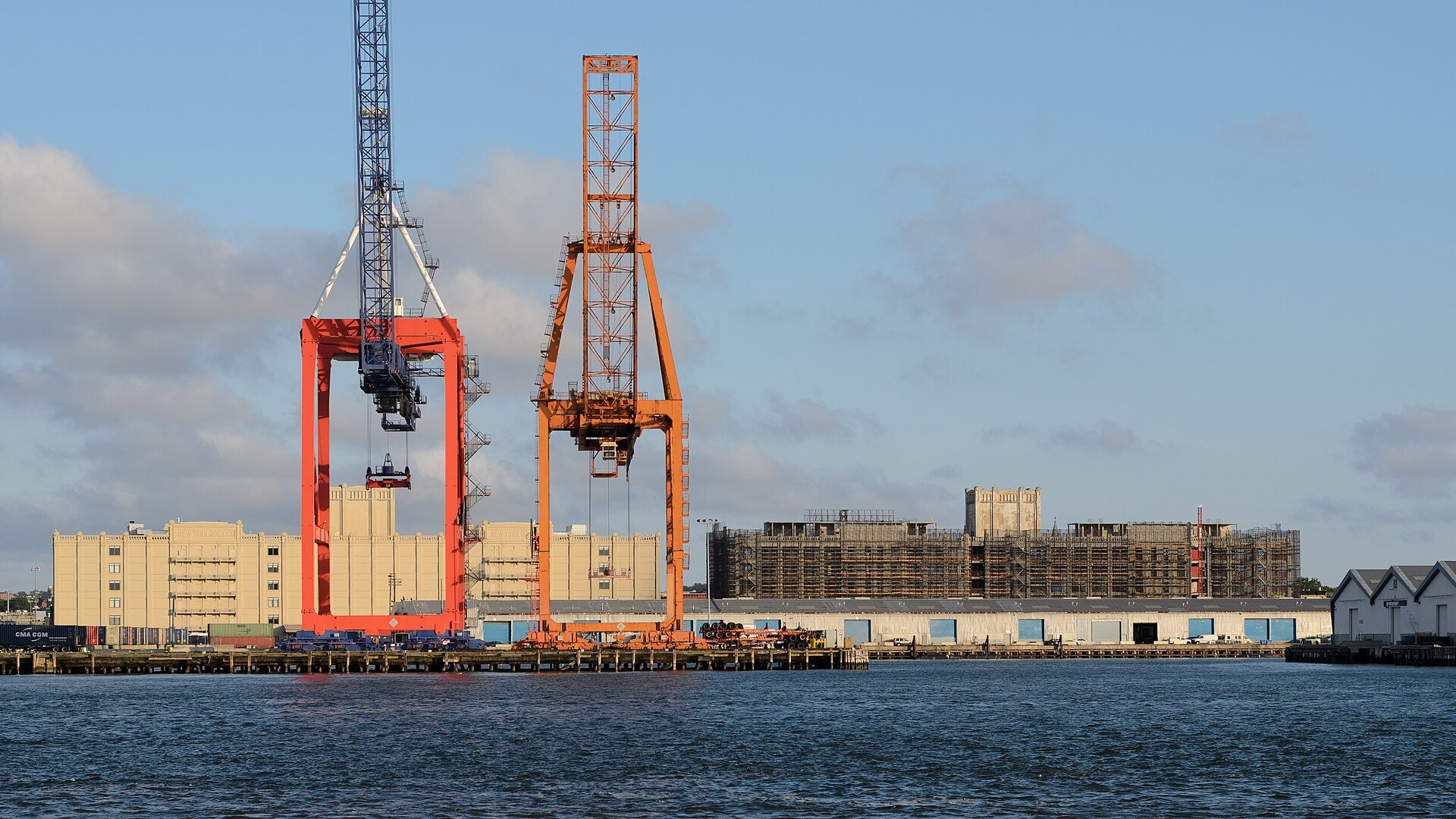
Shipping from China to Argentina runs mainly through Puerto Buenos Aires, reached by a long ocean route across the Pacific and up the Atlantic, with customs handled by Aduana under AFIP/ARCA. The single most important thing to know in 2026 is that Argentina overhauled its import regime recently, so the process you read about a year ago may no longer apply. This guide explains the gateways, the customs picture and how to plan a shipment without being caught out by an outdated rule.
Key takeaways
- The main gateway is Puerto Buenos Aires, with Zárate and the Exolgán terminal (Dock Sud) also serving the River Plate area.
- Argentina sits on the Atlantic coast, so cargo from China takes a long route via the Panama Canal or transshipment — treat any door-to-door timeline as a range, not a fixed date.
- Customs is run by Aduana under AFIP/ARCA; the old SIRA/SIMI system was replaced by the SEDI declaration (within SECOIN) in late 2024.
- The import regime changed recently and FX access has been liberalising under the 2024–2025 reforms — confirm the current process before you commit to an order.
- Import duty plus the 21% general IVA rate drive landed cost; reduced rates such as 10.5%, exemptions and perceptions depend on the goods, importer and regime.
- A DDP door-to-door arrangement lets us coordinate freight, clearance and delivery, with our Spanish-speaking team handling the moving parts.
Where does cargo from China enter Argentina?
Most containerised cargo from China enters through Puerto Buenos Aires, the country’s main port, located on the Río de la Plata beside the capital and its huge consumer market.
A few other terminals serve the same region and are worth knowing:
- Puerto Buenos Aires (Puerto Nuevo) — the primary container gateway, closest to the city.
- Exolgán in Dock Sud (Avellaneda) — a major private container terminal just south of the capital.
- Zárate — upriver on the Paraná, used for vehicles, project cargo and some containers.
Because these all sit on the River Plate system, they share the same long approach from Asia and broadly the same customs framework. The right terminal usually comes down to carrier routing and where your goods are delivered.
How does ocean freight reach Buenos Aires from China?
Ocean freight reaches Buenos Aires by a long route: vessels cross the Pacific and then reach the Atlantic coast either through the Panama Canal or by transshipping at a hub, before the final leg down to the River Plate.
This is the defining feature of the Argentina lane. Unlike Pacific-coast markets such as Peru’s Callao or Chile, Buenos Aires is on the far Atlantic side of South America. That extra distance, plus dependence on canal scheduling and hub timing, makes the journey one of the longer ones in the region.
A couple of points to plan around:
- We quote door-to-door ocean transit as a range, not a single guaranteed day count, because canal conditions, transshipment dwell and clearance all move the timeline.
- Always check whether a quoted transit is port-to-port (the sea leg only) or door-to-door (origin pickup, export clearance, sea leg, import clearance and final delivery). Door-to-door is always longer.
For how the region compares overall, our China to Latin America shipping guide sets Argentina alongside the faster Pacific lanes, and our Peru and Callao guide shows what a more direct routing looks like.
Is air freight an option to Argentina?
Yes, air freight is an option for urgent, high-value or low-weight cargo into Argentina, arriving at Ezeiza (EZE) airport near Buenos Aires.
Air is the fast alternative when the long ocean route does not fit your timeline. We do not publish fixed air schedules for Argentina, because frequencies and routings change; do not apply promotional timings from another lane to Buenos Aires. When you need speed on this lane, ask us for current options.
What customs system handles imports in Argentina?
Imports are cleared by Aduana (the customs authority) under AFIP/ARCA, and since late 2024 the import declaration runs through the SEDI (within the SECOIN system).
This is the area where Argentina has changed the most. The previous SIRA regime — and the SIMI before it — was replaced by the SEDI declaration in late 2024 as part of a broader liberalisation. Alongside that, the historically tight foreign-exchange (FX) and import-access controls, long a defining friction for importers paying overseas suppliers, have been easing under the 2024–2025 reforms.
Because this is so recent, the honest planning advice is simple: the regime changed recently, so confirm the current process before you order. Treat any older guide describing SIRA, SIMI or strict FX rationing as potentially out of date. We track the current requirements and will tell you what applies at the time you ship.
As with any market, clean documentation keeps cargo moving: a commercial invoice and packing list that match the goods, the bill of lading or air waybill, the correct HS classification, and any permits required for regulated products.
What taxes and duties apply on imports to Argentina?
Imports face classification-based duty plus IVA. The general IVA rate is 21%, while the law also provides reduced treatment such as 10.5% and exemptions for specified cases. IVA and profit perceptions depend on the importer and applicable regime rather than applying identically to every entry.
A planning-level view of the main components:
| Component | What it is | Planning note |
|---|---|---|
| Import duty | Tariff on the customs value | Argentina is a Mercosur member and applies the bloc’s common external tariff; the rate depends on your HS code |
| IVA | Value-added tax on imports | General rate 21%; specified goods or cases can use 10.5% or an exemption |
| IVA / profit perceptions | Advance collections under applicable regimes | Depend on the importer, goods and regime; do not add them automatically |
| Statistical and other fees | Additional charges that can apply | Vary; confirm at the time of import |
Two things to keep in mind. Duty depends on the tariff classification and applicable origin treatment. For IVA, first determine whether the general 21%, a 10.5% treatment or an exemption applies; then determine whether the importer’s regime triggers perceptions. Do not stack every headline percentage onto every shipment.
Who handles export, freight and import — and where do Incoterms fit?
The split of responsibility between you and your supplier is set by your Incoterms, which decide who arranges export clearance, the main carriage, insurance and import duties.
We can assess a DDP (Delivered Duty Paid) structure after identifying an eligible Argentine importer and confirming the product, tax treatment and legal roles. The named importer, inclusions, exclusions and price are confirmed on WhatsApp for the shipment.
Frequently asked questions
Is the SIRA/SIMI system still used to import into Argentina? No. The SIRA regime (and the earlier SIMI) was replaced by the SEDI declaration within the SECOIN system in late 2024. Because the rules changed recently, confirm the current process before you place an order rather than relying on older guidance.
How long does shipping from China to Buenos Aires take? We give it as a range, not a fixed number. Argentina is on the Atlantic coast, so the ocean route is long — via the Panama Canal or transshipment — and canal timing, transshipment and customs all affect it. We map your specific routing and give a realistic window when we quote.
What taxes will I pay importing into Argentina? Expect classification-based duty. The general IVA rate is 21%, but specified cases use 10.5% or an exemption; perceptions depend on the importer and regime. Confirm the exact treatment before pricing.
Does Argentina have a free trade agreement with China? No. Argentina is a Mercosur member and applies the common external tariff to Chinese goods, so standard duties apply — unlike the China FTAs that benefit importers in Peru or Chile.
Can you deliver door-to-door to Argentina? We can assess and arrange a compliant DDP structure. The eligible named importer, product and tax treatment, scope and exclusions are confirmed shipment by shipment on WhatsApp.
Get a quote for your Argentina shipment
Buenos Aires is a long-haul Atlantic lane with a customs regime that has just been overhauled, so the smartest move is to plan with current information rather than last year’s rules. The keys are a realistic transit window, accurate documentation for Aduana under AFIP/ARCA, and budgeting for duty and IVA.
The Argentina lane is part of our guide to air and ocean freight from China. For a clear, honest quote covering routing, clearance, duties and delivery, message us on WhatsApp with your origin, volume, product and destination, and we will confirm the current process and send a tailored plan.
Sources
The service behind this lane
Part of
Tools for this topic