Guide
Ocean Freight from China to Buenaventura and Cartagena
A practical comparison of Colombian ocean-freight gateway options: Buenaventura on the Pacific and Cartagena on the Caribbean, with live routing, customs, DDP structure and inland quotes.
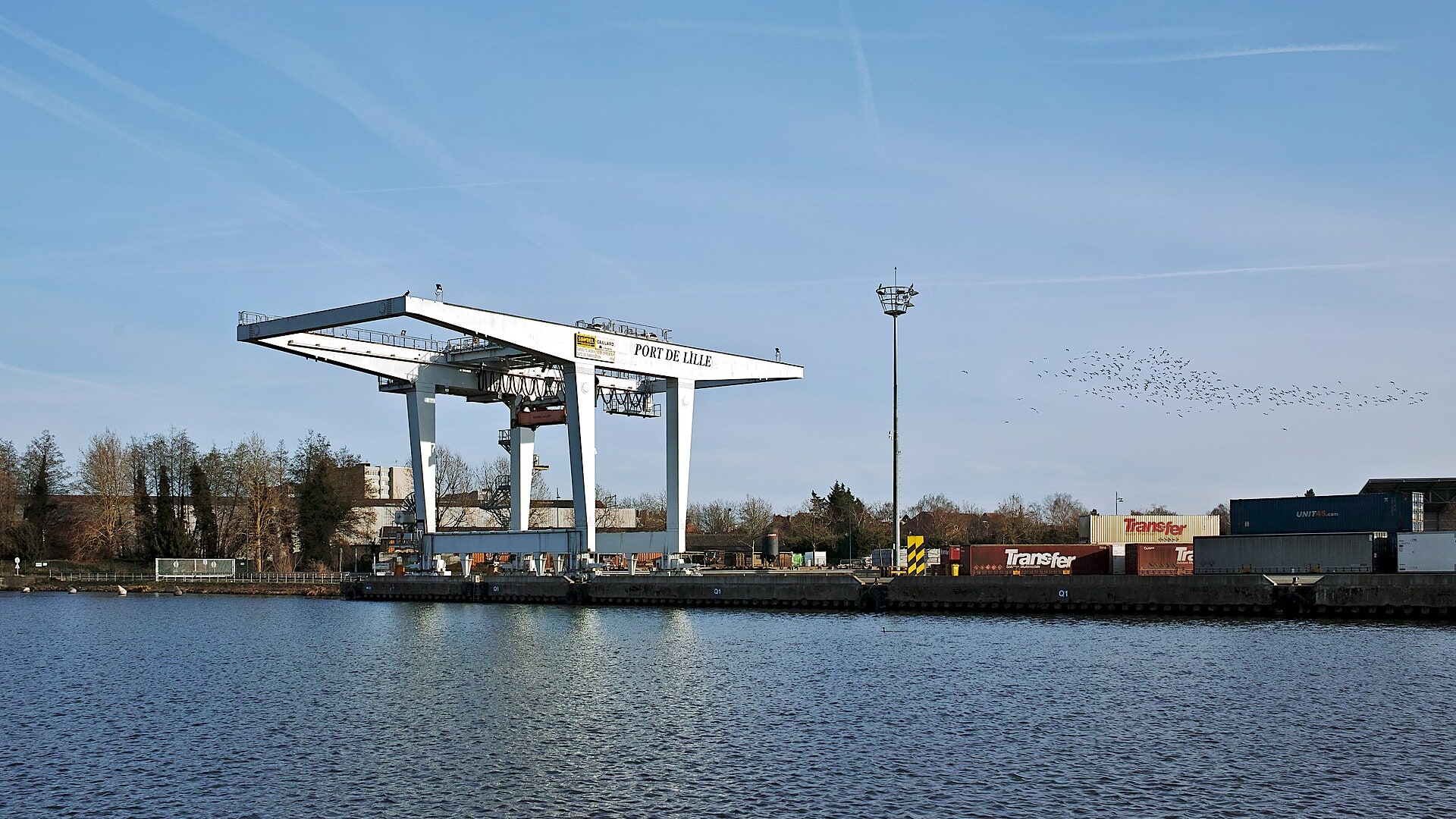
Buenaventura is a Colombian Pacific gateway option. Cartagena is a Colombian Caribbean gateway and transshipment option. An actual service may run direct, through Panama or through another hub, so the coast alone does not determine the booked route. Compare the live sailing, direct or transshipment structure, cut-off, connection, terminal and inland quote for the same shipment.
Key takeaways
- Use only current, shipment-specific service evidence as the booking basis for either port.
- Compare the current sailing, direct or transshipment structure, cut-off, connection plan, terminal and capacity before choosing a gateway.
- Port-to-port covers the booked ocean leg. Door-to-door also includes origin handling, export, connections, terminal release, customs and inland delivery, so it must be quoted for the actual shipment.
- Confirm the exact tariff classification, declared origin, importer and document set before departure; DIAN administers Colombia’s customs procedures.
- Decree 0264 establishes a 35% tariff for 14 specified subheadings in the steel and metalworking sector. Verify the exact subheading, origin and treatment under any current agreement rather than applying the measure to a broad product category.
- DDP and doble despacho are different structures, not synonyms. The quote must say which structure is being used and define the named importer, clearance party, taxes, delivery scope and exclusions.
Compare the live service, not a fixed route
| Factor | Buenaventura | Cartagena |
|---|---|---|
| Coast | Pacific | Caribbean |
| Planning role | Pacific gateway option | Caribbean gateway and transshipment option |
| Service evidence | Confirm live sailing, direct or transshipment structure, cut-off, connection and terminal | Confirm live sailing, direct or transshipment structure, cut-off, connection and terminal |
| Inland comparison | Quote from the actual terminal to the same final address | Quote from the actual terminal to the same final address |
A service offered this month may differ from an earlier pattern. Ask for the proposed vessel string and connection plan in writing, then compare capacity and cut-off against the cargo-ready date. A routing through Panama or another hub is possible, but it should be confirmed from the live proposal rather than treated as a permanent feature of either port.
Transit time: keep the definitions separate
Port-to-port measures the booked ocean movement. Door-to-door also includes pickup in China, export handling, any connection, terminal availability, customs release and inland delivery in Colombia. Quote both windows for the actual cargo, route and final address; do not infer a fixed transit promise from the choice of coast.
Customs and the 35% measure
DIAN administers Colombian customs procedures. Before booking, align the commercial invoice, packing list, transport document, tariff classification, declared origin, importer, clearance party and any product-specific permit or supporting document. Duty and taxes must be calculated from the current classification and legal treatment for the entry.
Decree 0264 sets a 35% tariff for these 14 specified subheadings in the steel and metalworking sector: 7213100000, 7214200000, 7215501000, 7216400000, 7217100000, 7217200000, 7228700000, 7306309900, 7313001000, 7317000000, 7326200000, 7616100000, 8305200000 and 8305900000.
Check the exact subheading, declared origin and any current agreement before applying the measure. Article 3 preserves treatment under current treaties, conventions and international trade agreements. Article 2 gives the measure an initial term of one year from its entry into force. Article 4 makes it effective on the fifteenth calendar day after publication in the official gazette; this guide does not infer a calendar date that the decree itself does not state.
Compare inland quotes on the same basis
Ask for an inland quote from the named terminal to the exact final address, using the same cargo dimensions, weight, free-time assumptions, delivery equipment and tax scope. Terminal availability, release timing and shipment-specific requirements can differ. Compare total landed scope, not an ocean line item in isolation.
DDP and doble despacho must be identified separately
Do not use DDP and doble despacho as interchangeable labels. They are different commercial and operational structures. A quote should state exactly which structure is proposed, identify the named eligible importer and licensed clearance party, and define classification, origin, declared value, duty and taxes, delivery address, included services and exclusions.
We can assess and coordinate a shipment-specific structure, but the product, importer, legal relationship, route, customs scope and exclusions must be confirmed on WhatsApp before booking.
Booking checklist
- Exact product, tariff classification, composition, use and declared origin confirmed
- Current Buenaventura and Cartagena sailings compared on the same cargo-ready date
- Direct or transshipment structure, cut-off, connection, terminal and capacity confirmed
- Port-to-port and door-to-door windows stated separately
- Same final address and inland assumptions used for both gateway quotes
- Decree 0264 checked against the exact subheading, origin and any current agreement
- Named importer, clearance party, documents, permits, duty and taxes confirmed
- Quote states whether it uses DDP, doble despacho or another structure
- Delivery scope, exclusions and responsibility for exceptions recorded in writing
Frequently asked questions
How should I verify Buenaventura routing from China? Confirm the live sailing and whether the offered movement is direct or includes one or more connections.
How should I verify Cartagena routing? No fixed route should be assumed. A service may use Panama or another hub; rely on the booked vessel string and connection plan.
Does the 35% tariff cover all steel or Chinese goods? No. Decree 0264 lists 14 specified steel and metalworking subheadings. Verify the exact code, declared origin and any current agreement treatment.
Are DDP and doble despacho the same? No. The quote must identify which structure is proposed and name the importer, clearance party, tax scope, delivery scope and exclusions.
The bottom line
Treat Buenaventura as a Pacific gateway option and Cartagena as a Caribbean gateway and transshipment option. Choose only after comparing the same shipment against current sailings, direct or transshipment structure, cut-off, connection, terminal and inland quote. Confirm customs classification, origin, any Decree 0264 treatment and the precise DDP or doble-despacho structure before booking.
Sources
- Trámites aduanerosDIAN
- Medida para corregir distorsiones en importaciones de aceroMinisterio de Comercio, Industria y Turismo
- Decreto 0264 del 16 de marzo de 2026Ministerio de Comercio, Industria y Turismo
The service behind this lane
Part of
Tools for this topic