Guide
Sending Inventory to Amazon Mexico (FBA): Freight, Customs and Duties
How to ship inventory from China to Amazon Mexico FBA: importer-of-record structure, Mexican customs and duties, Amazon delivery rules, and freight options.
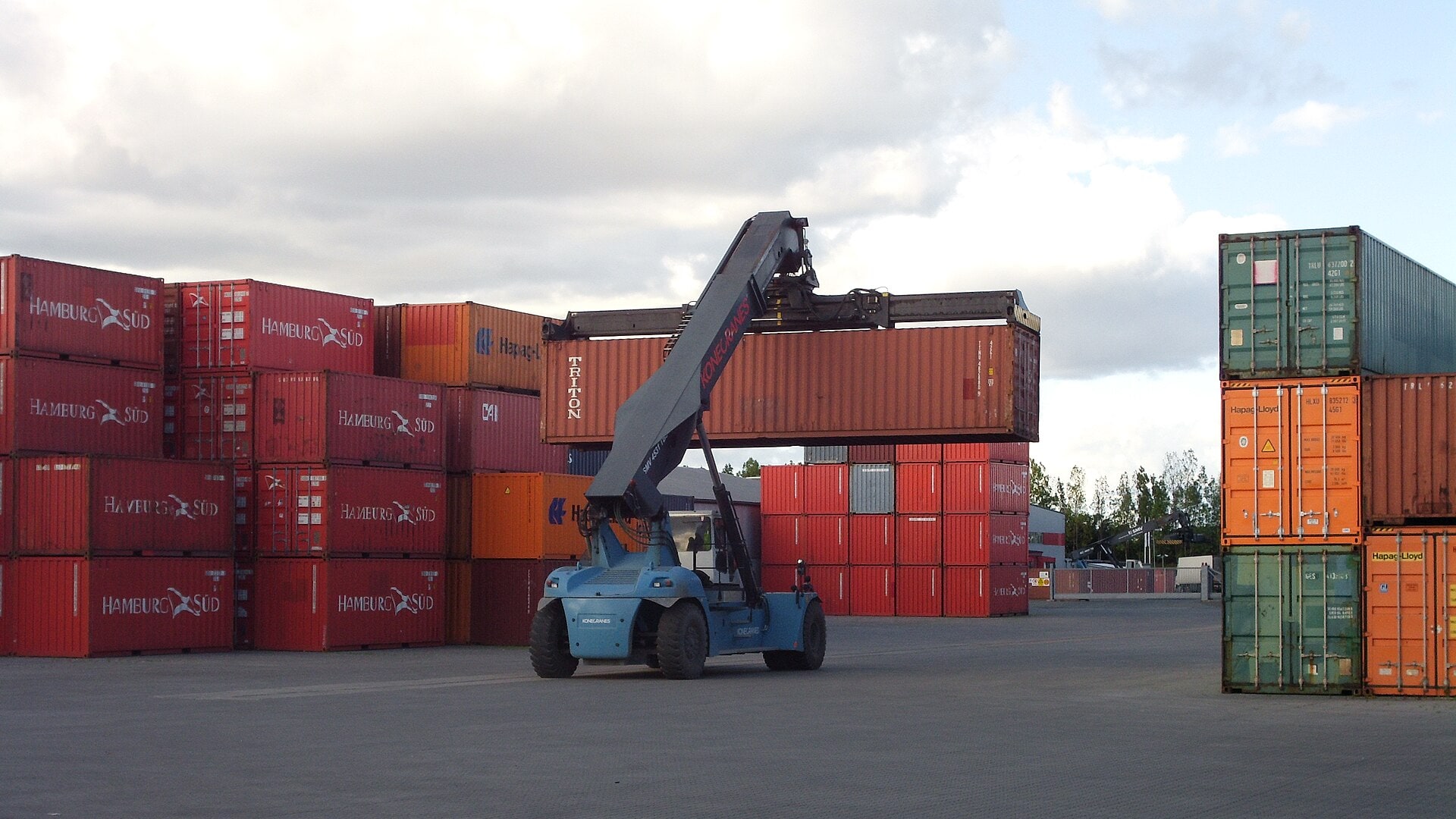
To ship inventory from China to Amazon Mexico FBA, Amazon’s published Mexico guidance assigns the seller as importer of record. The seller must therefore be eligible to import in Mexico; Amazon and its fulfilment centre will not take that role. You also need any NOM compliance that applies to the exact tariff classification, a confirmed classification and duty rate, and either ocean or air freight with a separately confirmed delivery into the fulfilment centre. This guide walks through the practical playbook.
Key takeaways
- For Mexico FBA inventory, Amazon’s published staff guidance assigns the seller as importer of record. Amazon and its fulfilment centre will not take that role; the seller must have an eligible Mexican import setup before shipping.
- Imported FBA inventory must arrive DDP / free domicile, without collect freight, duties or taxes. Amazon does not assume or collect those charges, and a collect shipment may be refused.
- The pedimento, applicable Padrón and NOM requirements, and Mexico’s 16% general IVA rate are core customs checks.
- Duty depends on the exact tariff classification and origin. A decree effective January 1, 2026 changed the rates only for the tariff lines it lists, so verify the live rate for the product.
- IMMEX is a manufacturing duty-deferral tool, not an FBA route; finished goods sold in Mexico are a definitive import.
- Plan an FBA ocean main leg from China→Manzanillo or Lázaro Cárdenas at 30–45 days port-to-port; the China→Mexico air-freight main leg is 4–9 days airport-to-airport. FBA’s surrounding legs are additional.
The importer-of-record problem comes first
This is the point that trips up most sellers, so start here.
For a normal commercial FBA import into Mexico, Amazon’s Mexico guidance assigns the seller as importer of record. That seller must generally be eligible and listed in the Padrón de Importadores (the official register of importers); the RGCE publishes limited exceptions. The importer of record is responsible for the declaration, duties and taxes.
Amazon and its fulfilment centre will not act as importer of record. Amazon receives the shipment, but it does not clear customs for the seller or put its name on the import. A foreign seller that is not eligible to import in Mexico cannot use the warehouse address as a substitute for its own lawful importer setup.
Separately, Amazon’s intake rule for imported FBA inventory is DDP / free domicile: freight, duties and taxes cannot be sent collect. Amazon does not undertake or collect those charges, and a shipment carrying collect charges may be refused. That delivery rule does not itself provide the importer of record.
Before booking, verify that the seller can lawfully act as importer of record and has the registrations and continuing compliance required for the product and operation. If the seller does not have an eligible Mexican importer setup, do not send inventory to the fulfilment centre: confirm the account and import model with Amazon Seller Support and qualified Mexican legal/customs advisers first. Do not assume that the warehouse address, a freight forwarder or an unsupported third-party IOR arrangement replaces Amazon’s seller-IOR rule.
DDP (Delivered Duty Paid) is the delivery and cost term required for the inbound shipment; it is not a synonym for doble despacho and does not replace the seller’s importer-of-record responsibility. A licensed customs broker may perform the filing under the confirmed clearance route, while product eligibility, the seller’s IOR details, scope, feasibility, inclusions and exclusions are confirmed shipment by shipment on WhatsApp. See our overview of DDP shipping from China to Mexico for the wider customs structure.
Mexican customs essentials
Even when someone else handles clearance, you should understand what is happening, because it affects your documents, your labels and your costs.
- Pedimento and value documents. The pedimento is the core customs declaration. Under Customs Law article 40, the importer or exporter may promote clearance directly or through a customs agent or agency; a legal entity clearing directly must use an accredited legal representative. RGCE 2026 rule 1.9.16 starts from Spanish for the transmission. If the underlying document itself is in English or French, the same language may be retained. Under rule 3.1.8, Spanish translation is limited to the enumerated detailed-description data that appear in a language other than Spanish, English or French; the rule applies the same treatment to the transport document and other supporting documents specified in Customs Law article 36-A(I)(b). This is not a blanket Spanish-language requirement for the entire commercial invoice.
- Padrón de Importadores. As above, the importer generally must be registered. The current sector lists in Anexo 10 determine whether an additional sector-specific registry applies; do not infer that requirement from a broad product label alone.
- NOM labelling and standards. Mexico’s NOM (Normas Oficiales Mexicanas) rules set mandatory labelling and safety standards for tariff classifications listed in the applicable rules and Anexo 2.4.1. Confirm the product’s exact classification and any exception before production. Our guide to NOM certification when importing to Mexico explains the screening process.
- IVA. Mexico’s general value-added-tax rate is 16%. Whether it is creditable and who bears it depends on the named importer and the transaction, so the quote must state the treatment.
For a fuller walkthrough of the documents and the clearance flow, see importing from China to Mexico: customs and the pedimento.
Duties: the 2026 picture
Duty depends on your HS code and the origin of the goods, so always verify the exact rate for your product. That said, the 2026 environment matters a lot for Chinese-made inventory.
- A tariff decree effective January 1, 2026 changed the rates for the specific classifications listed in that decree. Origin and any applicable trade agreement also matter. Check the current rate for the exact classification before you commit. Our explainer on the 2026 Mexico tariffs on Chinese imports explains how to verify coverage.
- Under the simplified courier and parcel procedure, RGCE 2026 rule 3.7.35 I applies a 33.5% global rate. Its 19% treatment is a separate T-MEC case for shipments above USD 117 and applies only when every condition in rule 3.7.35 III(c) is met. Confirm the shipment’s value, origin, non-tariff requirements and eligibility; formal imports use a different calculation.
The practical takeaway: do not assume your old duty rate still applies, and do not treat the courier tariff as a loophole. Price your landed cost on current rates.
Why IMMEX is usually not the FBA route
Sellers sometimes hear about IMMEX as a way to avoid import duty, but it does not fit normal FBA flows.
- IMMEX is a duty-deferral programme for temporary import plus manufacturing or assembly, with the goods then re-exported. It is designed for production operations, not for selling finished imported goods domestically through Amazon.
- A December 2024 decree added specified finished-apparel classifications in HS chapters 61, 62 and 63 to IMMEX Annex I, making those listed goods ineligible for temporary import under the programme. Check the exact classification rather than treating every textile product alike.
If your goal is to land finished inventory and sell it inside Mexico through FBA, you are doing a definitive import and paying the applicable duties and taxes. Treat IMMEX as a manufacturing tool, not an FBA shortcut. Our IMMEX programme explained article covers where it does and does not apply.
Prep and labelling for FBA
Clearing customs is only half the job. Amazon has its own intake requirements, and a shipment that clears the border can still be rejected at the warehouse.
- Use the barcode or unit label required by the current Amazon shipment plan—FNSKU where required—plus its current box and pallet labels.
- If a NOM applies to the exact classification and product, complete the corresponding NOM labelling before arrival; do not rely on the receiving centre to correct import-compliance labels.
- Book any delivery appointment required by the current shipment plan and confirm who handles it on the last leg.
- Send the imported inventory DDP / free domicile with no collect charges; Amazon does not undertake or collect freight, duties or taxes, and a collect shipment may be refused.
- Provide accurate carton counts, weights and dimensions that match what you declared, so nothing is held for a mismatch.
A shipment-specific DDP scope can include the last-mile booking and delivery into the Amazon centre. The product, named importer, legal relationship, inclusions and exclusions must be confirmed on WhatsApp before booking, and the seller remains responsible for accurate preparation and label data.
Ocean vs air, and the timeline
Two main freight modes, and the choice is the usual trade-off between cost and speed.
- China→Manzanillo or Lázaro Cárdenas ocean freight uses 30–45 days port-to-port as the planning benchmark. Pickup, customs, inland delivery and Amazon’s appointment are additional.
- China→Mexico air freight uses 4–9 days airport-to-airport as the planning benchmark. Add pickup, customs, delivery and Amazon’s appointment.
For the gateway, compare Manzanillo and Lázaro Cárdenas against the live vessel string, direct or transshipment routing, cut-off, capacity, terminal and inland quote. The right choice is shipment-specific; build the quoted buffer into replenishment planning. For more detail on transit ranges, see China to Mexico shipping time.
The bottom line
Selling on Amazon Mexico is possible, but the import and Amazon intake are separate checks. Amazon’s Mexico guidance assigns the seller as importer of record, so the seller must be eligible and have a lawful clearance route; the inbound delivery must separately be DDP / free domicile with no collect charges. Confirm the exact classification, current duty rate, NOM position and shipment scope before choosing ocean or air.
Frequently asked questions
Can Amazon be the importer of record for my FBA shipment in Mexico? No. Amazon receives the goods at the fulfilment centre but will not clear customs or put its name on the import. Amazon’s published Mexico guidance says the seller is the importer of record for FBA inventory. The seller must confirm its own Mexican eligibility and clearance route before booking; do not assume an unsupported third-party IOR arrangement satisfies that rule.
Do I need NOM labels to send inventory to Amazon Mexico? Only when the exact tariff classification and product fall under an applicable NOM rule. Do not rely on the receiving centre to correct import-compliance labels; confirm the relevant Anexo 2.4.1 entry and any exception before production.
How much duty will I pay importing to Amazon Mexico from China? It depends on the tariff classification, origin and any applicable preference. The decree effective January 1, 2026 changes only the classifications it lists, so verify the current rate before pricing your landed cost. Mexico’s general IVA rate is 16%; the named importer and transaction determine its treatment in the quote.
How long does shipping from China to Amazon Mexico take? For China→Manzanillo or Lázaro Cárdenas, use 30–45 days port-to-port by ocean. For China→Mexico, use 4–9 days airport-to-airport by air. Then add pickup, customs, delivery and the FBA appointment.
Can I use IMMEX to avoid duty on FBA inventory? Generally no. IMMEX is a duty-deferral programme for temporary import plus manufacturing and re-export, not for selling finished imported goods domestically through Amazon. Selling inside Mexico is a definitive import with duties and taxes due.
FBA is one channel within the broader picture set out in our complete guide to shipping from China to Mexico. For a shipment-specific quote, message us on WhatsApp with the products, seller IOR details and destination centre; we will confirm the licensed partner broker route, DDP scope, feasibility, inclusions and exclusions before booking.
Sources
- Ley del IVA, artículo 1: tasa generalSAT
- Decreto de reforma arancelaria, 29 de diciembre de 2025Diario Oficial de la Federación
- Padrón de ImportadoresSAT
- Ley Aduanera, artículo 40Cámara de Diputados
- Reglas Generales de Comercio Exterior para 2026, reglas 1.9.16, 3.1.8 y 3.7.35SAT
- Reglas y criterios de la Secretaría de Economía 2026SNICE
- Decreto de reforma arancelaria y del Decreto IMMEX, 19 de diciembre de 2024Diario Oficial de la Federación
- Delivering imports to AmazonAmazon Seller Central
- Ship products to AmazonAmazon Seller Central
- Mexico Shipping Changes — RFC tax ID (FBA importer-of-record guidance)Amazon Seller Forums — Amazon staff
Where this leads
Part of
Tools for this topic