Guide
Shipping from China to Mercado Libre Full Mexico: First-Leg Guide
How to ship from China to Mercado Libre Full in Mexico: the importer-of-record problem, NOM labeling, and the domestic inbound into a Full warehouse.
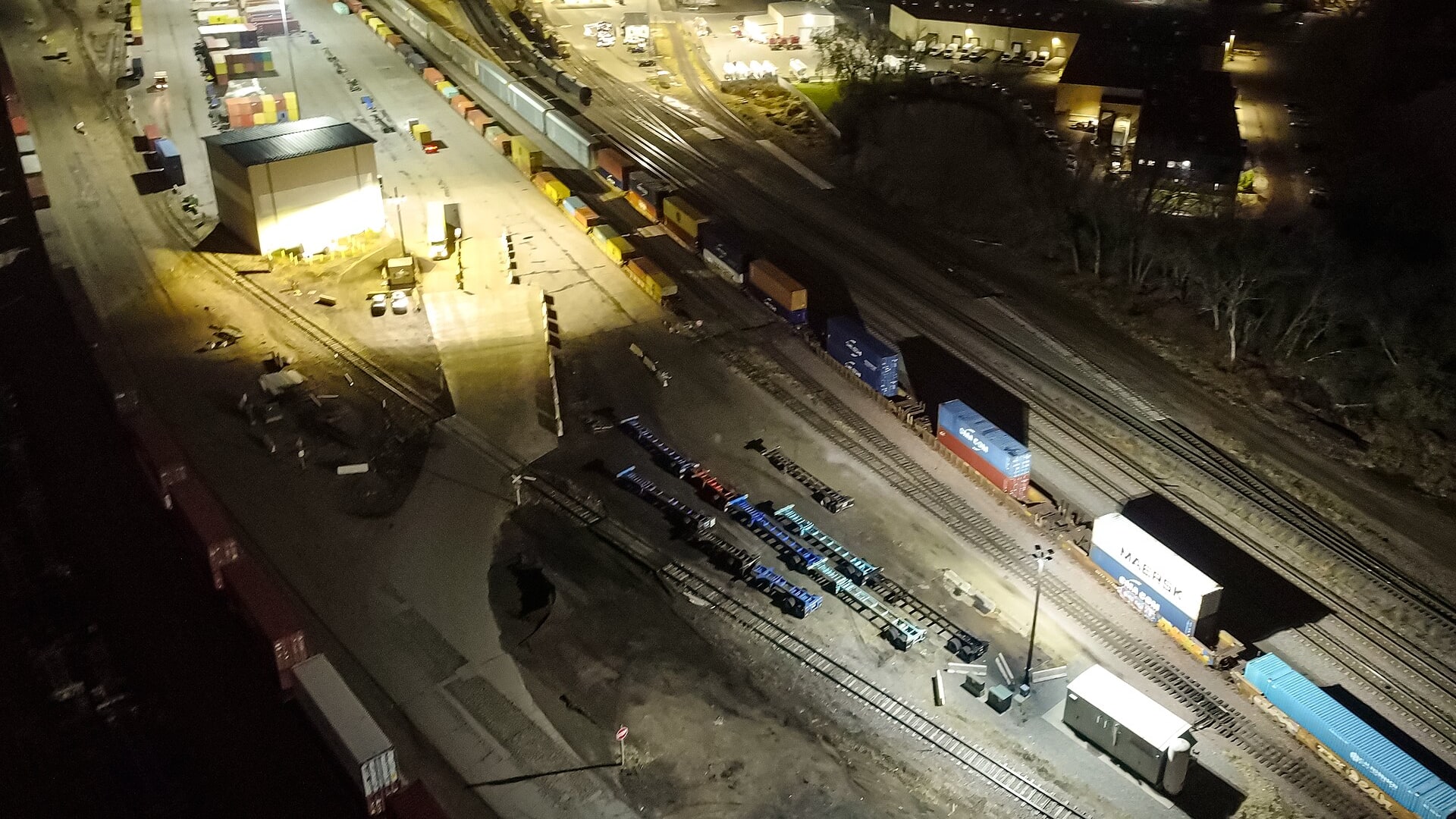
Mercado Libre does not import your goods from China for you. To stock a Mercado Envíos Full warehouse in Mexico, you first have to import the goods through an eligible importer — your own or one arranged under a compliant DDP structure — and then make a domestic inbound delivery into the Full facility following Mercado Libre’s intake rules.
Mercado Libre is the largest e-commerce marketplace in Latin America, and Full is its in-house fulfilment program (the equivalent of Amazon FBA): you send inventory in, and they pick, pack and ship orders with the faster-delivery badge. The selling side is straightforward. The part that catches sellers out is everything that happens before the goods reach the warehouse door.
Key takeaways
- Mercado Libre is not your importer. Goods from China must clear Mexican customs under a registered importer before they can enter a Full warehouse.
- You need either an eligible Mexican entity with RFC and Padrón de Importadores, or a compliant DDP arrangement that identifies the importer of record for the shipment.
- Stocking Full is a two-step move: international import and clearance into Mexico, then a domestic inbound delivery into the Full facility under Mercado Libre’s rules.
- The exact fracción arancelaria determines whether a NOM labeling or certification rule applies; the marketplace does not change that official scope.
- The economics mirror Amazon Mexico FBA; inbound rules (appointments, labeling, packaging) change, so confirm Mercado Libre’s current requirements before you ship.
- Mercado Libre CBT / Global Selling is a cross-border alternative where you ship per order from abroad instead of pre-stocking.
Does Mercado Libre import my goods from China?
No. Mercado Libre runs the warehouse and the last-mile delivery to buyers; it does not bring your goods into the country.
To import anything into Mexico there must be a registered importer of record listed in the Padrón de Importadores, the official register maintained by the SAT. That importer is legally responsible for the customs declaration (the pedimento), the duties and the taxes. Mercado Libre will not put its name on your import or clear customs for you. A box shipped straight from a Chinese factory to a Full address, with no import behind it, does not work.
So the real question is not “how do I send a box to Mercado Libre” — it is “who is the importer of record, and how do the goods get from the border to the Full warehouse.” Everything below answers that.
Who can be the importer of record for a Full shipment?
There are two realistic routes, depending on whether you have a Mexican company.
- Set up a Mexican entity and register it in the Padrón. You get an RFC, register, and import in your own name. This is the route if Mexico is a core market — you control the import and a registered business can generally recover the IVA — but it means time, local tax compliance and entity overhead.
- Use a DDP arrangement or third-party importer of record. We can identify an eligible Mexican importer and coordinate the agreed clearance, duties, taxes and delivery scope. Feasibility, the named importer and exclusions depend on the product and transaction and are confirmed on WhatsApp — see DDP shipping from China to Mexico.
This is the same problem Amazon sellers face; our Amazon Mexico FBA freight guide covers it in more depth and applies equally to Mercado Libre Full.
What are the steps to get China stock into Mercado Libre Full?
End to end, stocking Full is an international import followed by a domestic inbound. The practical sequence:
- Classify the product and confirm duties. Get the correct fracción arancelaria (HS classification), the current duty rate and any sector-registry requirement. This drives your landed cost.
- Screen NOM by classification and product scope and resolve any applicable labeling or certification before production.
- Ship from China to Mexico by ocean or air (see the timeline below).
- Clear Mexican customs under the importer of record. The pedimento is filed, duties and IVA (16%) are paid, and the goods are released.
- Prep to Mercado Libre’s Full specification — marketplace labels and packaging, built to its inbound rules.
- Book the inbound appointment and deliver domestically. Full warehouses receive on booked appointments; your forwarder or local trucker handles the leg from the customs exit point to the facility.
Steps 1–4 are the international import; steps 5–6 are a domestic Mexican delivery. A box from China does not skip straight to step 6.
What are Mercado Libre Full’s inbound requirements?
At a planning level: booked delivery appointments, marketplace-specified labeling on each unit and carton, and packaging that meets the program’s standards. The exact details change and depend on the warehouse and product.
Mercado Libre publishes its current Full intake rules in the seller back office, and they evolve — carton and pallet specs, per-unit labeling, maximum weights and the appointment process are all set by Mercado Libre and revised over time. Do not build a shipment around fixed carton dimensions you read once. Confirm the current requirements in your seller account (or with us at quoting time) before you finalize packing.
What is stable enough to plan around:
- Each unit and carton must carry the labels Mercado Libre specifies.
- Inbound is by appointment — the slot is reserved in advance.
- Cartons and pallets must meet packaging and weight standards, or be refused at intake.
- The goods must already be legally imported and compliant (NOM, etc.); Full will not relabel for customs compliance.
A good DDP and inland partner handles the appointment booking and domestic delivery as part of the service. You stay responsible for the product prep and labels.
Do NOM labeling and fracción arancelaria apply to Mercado Libre stock?
Yes — exactly as for any other import. Selling through Mercado Libre does not exempt the goods from Mexican customs or product rules.
- Fracción arancelaria (HS classification) sets your duty rate and decides whether your product needs a sector-specific registry (padrón sectorial) — textiles, footwear, steel, chemicals and more. See HS codes and tariffs.
- NOM (Normas Oficiales Mexicanas) is Mexico’s mandatory product-standard regime. Many consumer goods need Spanish-language labeling, and some need certification and testing before release. Handle it before production — see NOM certification when importing to Mexico.
For the full customs flow — pedimento, Padrón, documents — see importing from China to Mexico: customs and the pedimento. A shipment that clears customs but fails Full’s intake, or vice versa, still does not reach buyers.
Mercado Libre Full vs Amazon Mexico FBA: how do they compare?
They work the same way at the logistics level — import into Mexico under a registered importer, then deliver domestically into the marketplace’s warehouse. The differences are in the details.
| Factor | Mercado Libre Full | Amazon Mexico FBA |
|---|---|---|
| Marketplace reach | Largest in Latin America | Large, growing in Mexico |
| Who imports your goods | An eligible named importer, not Mercado Libre | An eligible named importer, not Amazon |
| Importer of record | Your qualifying entity, or one identified in a compliant DDP structure | Your qualifying entity, or one identified in a compliant DDP structure |
| Inbound model | Appointment + marketplace labeling/packaging | Appointment + FNSKU + Amazon prep |
| NOM / fracción arancelaria | Apply in full | Apply in full |
| Cross-border option | Mercado Libre CBT / Global Selling | Amazon-side cross-border programs |
The headline: neither marketplace imports for you, so the freight-and-customs plan is the same problem in both cases. Many sellers run both channels off a single imported batch.
Is Mercado Libre CBT a way to skip the import?
Sometimes — it is a different model. Mercado Libre CBT (Cross-Border Trade) / Global Selling lets you list into Latin American markets and ship per order from abroad, rather than pre-stocking a Full warehouse inside Mexico.
That changes the trade-offs: you avoid pre-positioning inventory and the domestic inbound, but you typically give up Full’s fast local-delivery advantage, and per-parcel cross-border flows can attract the special tariff on low-value e-commerce parcels from non-FTA countries. If your strategy depends on holding stock in-country, Full is the model — and that means importing first.
Frequently asked questions
Does Mercado Libre act as importer of record in Mexico? No. It receives and fulfils orders from its Full warehouses but does not import your goods or clear customs. You need an eligible registered importer — your own Mexican entity in the Padrón, or one identified through a compliant DDP arrangement.
Can I ship a box from China directly to a Mercado Libre Full warehouse? Not as an international parcel with no import behind it. The goods must first be imported and cleared, then delivered domestically into the Full facility on a booked appointment.
Do I need an RFC and Padrón de Importadores to use Full? You need an importer of record that has the applicable registrations — your eligible Mexican company, or an importer identified for a compliant DDP arrangement. We confirm that structure per shipment.
How long does shipping from China to Mexico take for Full stock? For China→Manzanillo or Lázaro Cárdenas, use 30 to 45 days port-to-port by ocean. For China→Mexico air freight, use 4 to 9 days airport-to-airport. Then add pickup, clearance, inland delivery and the Full inbound appointment.
Does NOM apply to goods sold on Mercado Libre? Only when the exact classification and product fall within the applicable standard and Anexo 2.4.1. The marketplace does not create an exemption, so check scope and exceptions before production.
Ocean vs air, and the timeline
Two freight modes, the usual cost-versus-speed trade-off.
- For China→Manzanillo or Lázaro Cárdenas, ocean freight uses 30 to 45 days port-to-port as the planning benchmark. Origin handling, clearance, inland delivery and the Full appointment are additional.
- For China→Mexico, air freight uses 4 to 9 days airport-to-airport as the planning benchmark. Clearance, delivery and the Full appointment still follow.
We can assess and arrange the agreed China pickup, freight, compliant Mexican import structure, marketplace prep and domestic appointment. The named importer, product eligibility, NOM treatment, duties, IVA, exclusions and delivery scope are confirmed on WhatsApp before booking.
Sources
Where this leads
Part of
Tools for this topic