Comparison
Telex Release vs Original B/L vs Seaway Bill: How to Choose
A deep dive into the three ways cargo gets released at destination — original bill of lading (OBL), telex release and seaway bill — with the mechanics, use cases, common mistakes and a multilingual glossary.
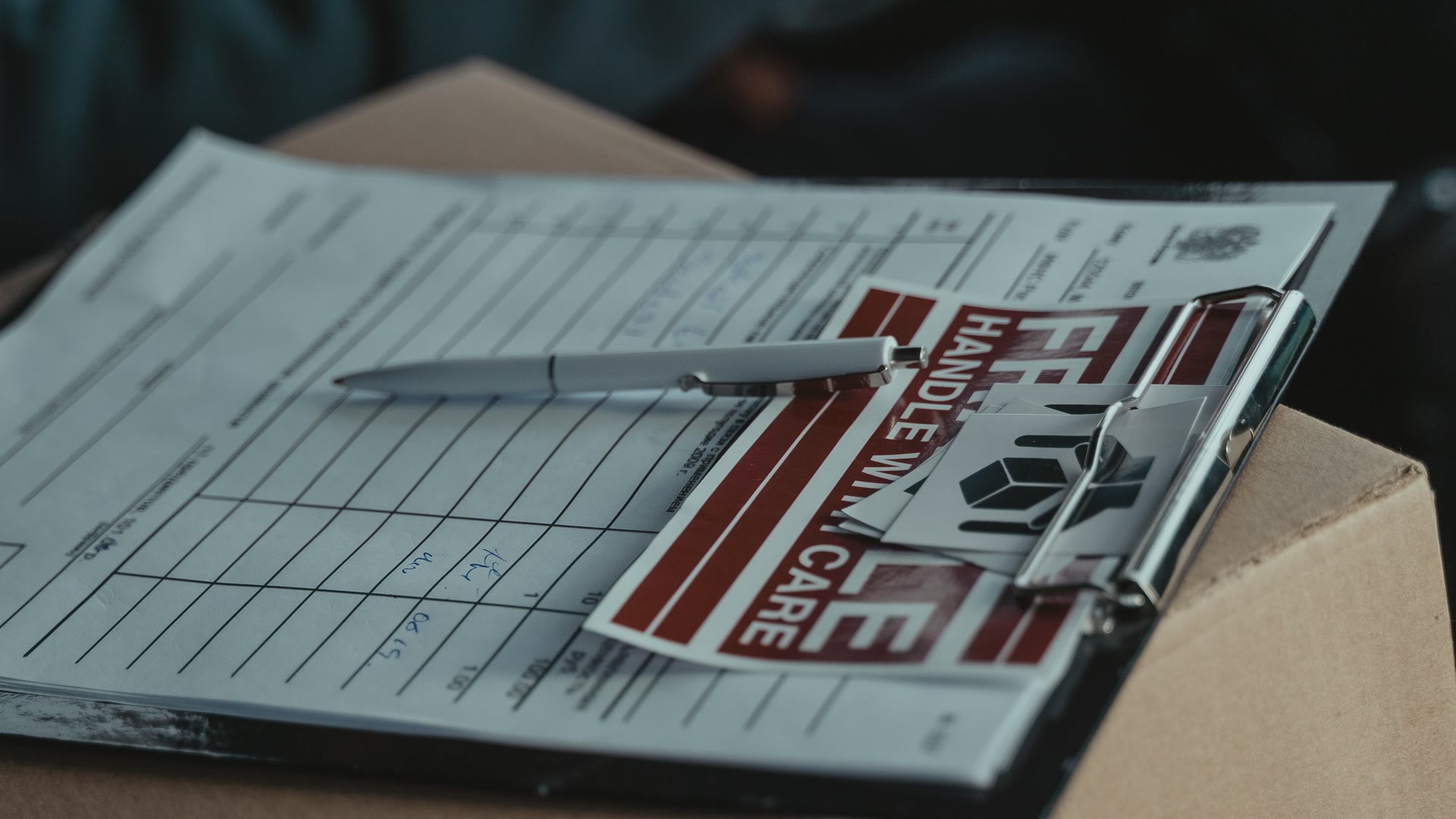
Three little words on a bill of lading — Original, Telex Release or Express — decide how, and how fast, your buyer collects the container. Get the choice right and the box moves the moment it lands; get it wrong and either the cargo sits at the port or the seller loses control of a paid-for shipment. This guide breaks down all three release methods, answers the two questions people most often mix up — sea waybill vs telex release, and whether a “surrendered” bill is the same thing — and covers the mistakes that trip up first-time shippers and the multilingual vocabulary you will actually see on the paperwork.
The three ways to release cargo
A bill of lading is simultaneously a receipt, a contract of carriage and a document of title. The type determines who holds that title and how they hand it over.
- Original Bill of Lading (OBL) — printed originals (usually a set of three) are issued at origin. The consignee must present at least one original at destination to collect the cargo. Ownership stays with whoever holds the paper.
- Telex Release — the shipper surrenders the full set of originals back to the carrier at origin, or asks for the bill to be surrendered as soon as it is issued. The line then sends its destination office an instruction: “release the cargo to the named consignee, no paper needed.”
- Seaway Bill (sea waybill) — a non-negotiable transport document that is not a document of title. No originals are issued; the carrier releases to the consignee named on it.
Head-to-head comparison
| OBL | Telex Release | Seaway Bill | |
|---|---|---|---|
| Paper originals | Yes (usually 3) | Yes, then surrendered | No |
| Document of title | Yes | Yes, until surrendered | No |
| Negotiable / transferable | Yes | Not after surrender | No |
| Seller’s leverage until paid | High — hold the originals | High until surrender | No document of title to hold back; only an instruction to the carrier not to release, which can turn into a dispute |
| Time to release cargo | Slowest (originals travel by courier) | Fast (electronic instruction) | Fast (no originals needed) |
| Best for | New buyer, LC, unpaid | Trusted repeat buyer | Intercompany, prepaid |
| Origin charges to check | Documentation fee in the local tariff, plus courier for the originals | Documentation fee, plus any telex / surrender (electronic release) fee in the local tariff | Whatever documentation fee the local tariff sets; no originals to courier |
| Lost-document risk | Originals can be lost in transit — replacing them takes a Letter of Indemnity | Until the originals are surrendered | No originals to lose; the consignee details must be right instead |
Charges are set per carrier and per country. Maersk’s published 2026 South Africa tariff, for example, lists an origin documentation fee per bill of lading and a separate electronic cargo release fee when a telex or express release is requested after the original bill has been issued. Check the local tariff for your port rather than assuming any of the three is free.
Sea waybill vs telex release: what’s the difference?
Both let the consignee collect without presenting a paper original, which is why they are confused. The difference is whether an original ever existed. With a telex release, the carrier issued an original bill of lading — a document of title — and the shipper surrendered the full set at origin before the carrier instructed its destination office to release. With a sea waybill, no original is issued at all: the waybill is not a document of title, and the carrier releases to the consignee named on it.
| Telex release | Sea waybill | |
|---|---|---|
| Original bill issued | Yes, then surrendered at origin | Never |
| Document of title | Yes, until surrendered | No |
| Seller can hold the cargo back until paid | Yes — by not surrendering the originals yet | Only by instructing the carrier not to release before delivery; if the consignee contests it, local law decides |
| Typical use | Buyer pays before or during the voyage; the release goes out electronically instead of couriering originals | Intercompany or prepaid shipments where no one needs to hold title |
Two practical consequences follow. First, a telex release keeps an option open: if payment is late, the seller simply has not surrendered yet. A sea waybill gives up that paper leverage on the day it is issued. What remains is an instruction: ITIC’s guidelines say an unpaid shipper may instruct the carrier not to release cargo even under a sea waybill, and that the carrier and its agent cannot ignore it — but they also note a court may have to decide who is entitled to the cargo. That is a dispute route, not a payment lever. Second, some destinations, banks and letters of credit expect a bill of lading rather than a waybill — ITIC’s release guidelines note that delivery practice under non-negotiable documents depends on local law — so check with the buyer and the destination agent before choosing a waybill.
Is a surrendered B/L the same as a telex release?
In practice, yes: the two names describe one arrangement from its two ends. The “surrendered B/L” is the original bill returned to the carrier at origin (or surrendered on issue) and marked as surrendered; the “telex release” is the carrier’s instruction to its destination office that the cargo can go without an original. A Maersk customer advisory from its Myanmar office, for example, names the document “Surrendered B/L (Telex released document)” and lists a “Telex/Surrendered fee”.
What it is not:
- Not a sea waybill. A surrendered bill was an original first; a waybill never was.
- Not an emailed copy of a stamped bill. The release is the carrier’s instruction to its own destination office. ITIC’s guidelines tell releasing agents not to accept emails purporting to be telex releases at face value, so a PDF from the seller is not proof that the cargo is released — the destination office confirms it.
When to use each — real scenarios
Use an OBL when…
- You are shipping to a new buyer on open terms and want the leverage of holding the paper until you’re paid.
- The transaction is under a Letter of Credit — the LC almost always demands a full set of originals for the bank to release funds.
- You need the freedom to transfer title to a third party (a trader selling the cargo on mid-voyage).
Use a Telex Release when…
- You have a repeat buyer you trust, or payment cleared before the vessel arrives.
- Sending originals by courier would add a step you do not need once payment has cleared.
- You want to hold the title until payment and then release electronically — the middle ground between OBL and seaway.
Use a Seaway Bill when…
- The shipment is intercompany (e.g. a Chinese factory to its Mexico affiliate).
- The order is fully prepaid and there is no commercial reason to hold title.
- The destination, the buyer’s bank and any letter of credit accept a waybill.
Whichever you choose, it has to be on the shipping instructions before the bill is issued — changing it later means returning originals and, at many carriers, a fee. If you are shipping with us, tell us the release method at booking and our ocean freight from China team arranges it with the carrier; our China export customs document checklist covers the rest of the paperwork that travels with the bill.
Common mistakes that cost time and money
Wrong consignee details on the original. Correcting a name, address or “notify party” after issuance is possible but slow — the carrier issues a new set and voids the old, and corrections usually carry a fee. Check every field before signing.
Losing an OBL. Whoever holds the original controls the cargo, so a lost original usually means the carrier releases only against a Letter of Indemnity. The carrier sets the amount, the security — often a bank’s countersignature — and how long the indemnity runs, and it can take a long time to unwind. Treat originals like cash.
Telex requested but originals never surrendered. The shipper asks the destination agent for a telex release, but the originals were sent to the buyer by courier and are now floating in a DHL bag. The line cannot release until all originals come back. Decide before the vessel sails.
Seaway bill on an unpaid shipment. The named consignee walks in, collects the cargo and disappears. A waybill gives you no document to hold the cargo back with. You can still instruct the carrier not to release if you act before delivery, but a contested stop can end in court, and once the cargo has been collected you can chase the money while the cargo is gone. Never use a seaway bill on open terms with a new buyer.
Converting an OBL to a telex release mid-voyage. If you originally issued an OBL but the buyer later pays and wants a telex, the carrier can convert it — but only after every original is returned to it, and some carriers charge an electronic release fee for the change. Plan for the round-trip time.
Multilingual glossary
The same three concepts appear in every language of trade — and the localised name matters when you read a foreign carrier’s release notice.
| English | 中文 | Español | Français | Deutsch |
|---|---|---|---|---|
| Original B/L (OBL) | 正本提单 | Conocimiento original | Connaissement original | Original-Konnossement |
| Telex Release / Surrendered B/L | 电放 | Liberación telex / Cesión telex | Connaissement télex (telex release) | Telex Release / Fernschreib-Freigabe |
| Seaway Bill / Sea Waybill | 海运单 | Carta de porte marítimo (sea waybill) | Lettre de transport maritime | Seefrachtbrief |
If a buyer asks for “电放” (Chinese) or “télex” (French), they mean a telex release — not a printed original. “Express release” is less consistent: some carriers use it for a sea waybill and others for an electronic release after the originals are surrendered, so ask which document the carrier will actually issue.
Frequently asked questions
What is the difference between a sea waybill and a telex release? A telex release starts with an original bill of lading — a document of title — that the shipper surrenders at origin before the carrier tells its destination office to release. A sea waybill never has originals and is not a document of title; the carrier releases to the named consignee. A telex release lets the seller hold back the cargo simply by not surrendering the bill yet; under a waybill the seller can only instruct the carrier not to release, which may end in a legal dispute.
Is a surrendered bill of lading the same as a telex release? Yes, in practice: “surrendered B/L” names the original bill returned to the carrier, and “telex release” names the carrier’s instruction to release without it. It is not the same as a sea waybill, and an emailed copy of a stamped bill is not the release itself.
What is the difference between an OBL and a telex release? An OBL requires the consignee to present a printed original at destination to collect the cargo. A telex release means the originals have been surrendered at origin and the carrier notifies its destination office electronically that release can happen without paper. Both keep the seller in control until surrender; only the OBL lets you transfer title to a third party.
What does “telex release” mean on a bill of lading? It is the carrier’s confirmation that the cargo can be released to the named consignee without a printed original — because all originals were surrendered back to the carrier at origin. The bill itself is usually stamped “TELEX RELEASE” or “SURRENDERED”.
Is there a fee for a telex release? Often, yes — but it is a carrier’s local charge, not a fixed price. Some carriers list a telex or surrender fee, or a fee only when the release is requested after the originals were issued. Check the tariff for your port of loading.
Are seaway bills safe? They are safe when the buyer has already paid or the shipment is intercompany. They are not safe on open payment terms with a new buyer, because a seaway bill gives no title control: stopping the release then depends on instructing the carrier before delivery and, if the consignee contests it, on local law.
Can I convert an OBL to a telex release after issuance? Yes — the shipper returns all originals to the carrier, and the carrier then instructs the destination office electronically. Plan for at least a few extra days if the originals are already in courier transit, and check whether the carrier charges for the change.
The bottom line
The three release methods sit on a scale from maximum seller control (OBL) to maximum speed at destination (seaway bill), with the telex release balancing both. Match the type to how much you trust the buyer and how urgent the release is — and get every detail right before the paper is printed. If you are new to buying from China, our full guide to bills of lading covers the essentials, and our freight forwarder guide explains who arranges all this on your behalf.
Sources
- ITIC Guidelines for the Release of CargoesITIC (International Transport Intermediaries Club)
- Customer Advisory: Surrender (Telex) B/L ProcedureMaersk Line Myanmar
- South Africa Import and Export Local Charges 2026Maersk
Clearance is done by partner brokers; the freight is ours to move
Part of
Tools for this topic