Guide
How to Calculate Chargeable Weight for Air & Courier
Air freight is billed on chargeable weight, not just actual weight. Learn how volumetric weight works, the formulas couriers use, and how to lower your bill.
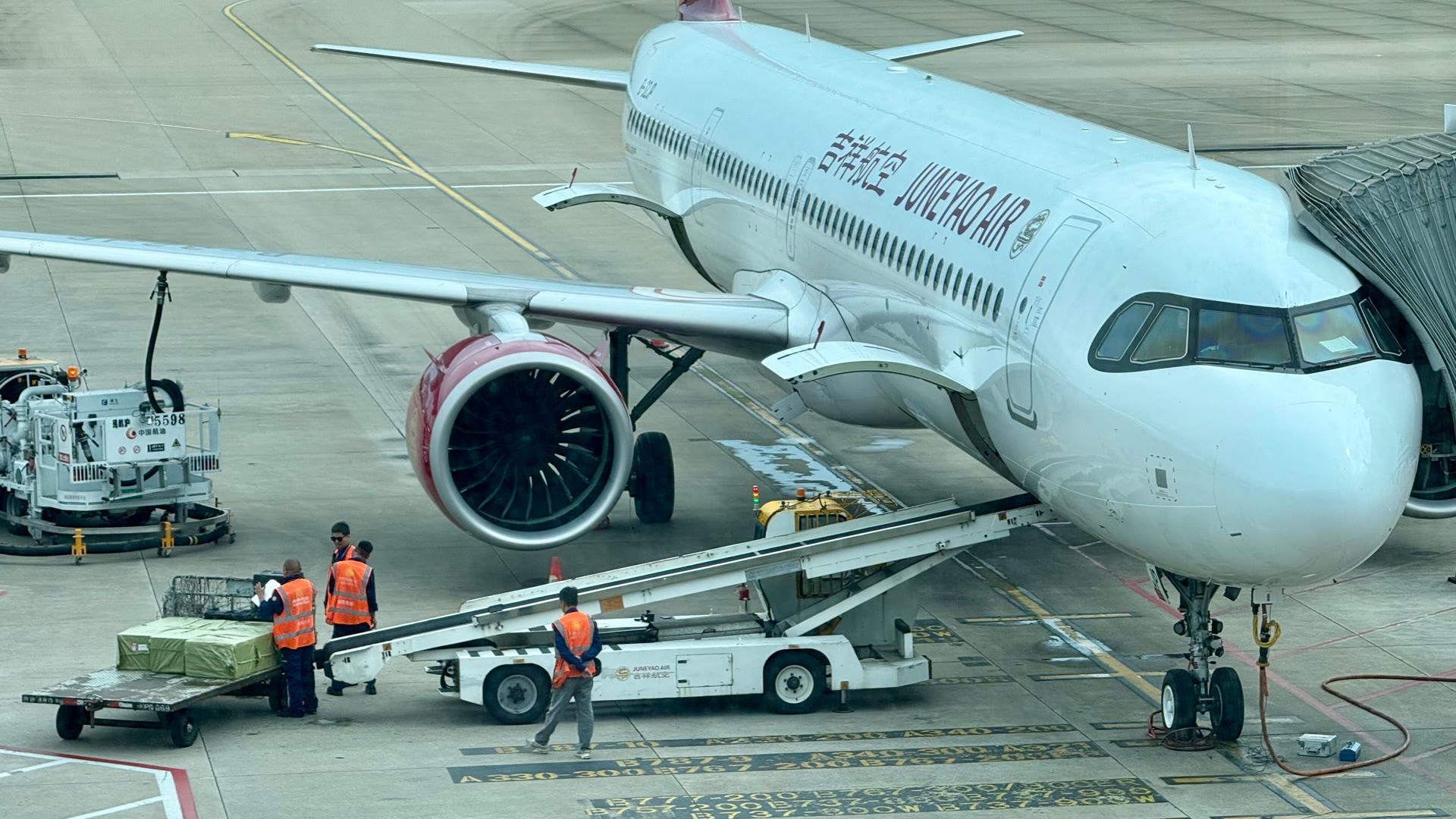
A common surprise for new shippers: a light but bulky air shipment can cost far more than its scales suggest. That is because airlines and couriers charge on chargeable weight — the greater of actual weight and volumetric (dimensional) weight. Here is how it works and how to keep it down.
Key takeaways
- Chargeable weight is the greater of actual gross weight and volumetric (dimensional) weight.
- Divisors of 6000 for air and 5000 for express are useful planning examples, but the current carrier quote controls.
- Volumetric weight exists because aircraft and vans run out of space before they run out of weight allowance.
- Rounding, minimums and any per-piece calculation come from the current quote; if it specifies 0.5 kg increments, round upward to that increment.
- If volumetric weight is much higher than actual weight, your packaging is probably costing you money.
- Right-sizing boxes, cutting void fill, consolidating smartly or switching mode can lower the bill.
Why volumetric weight exists
Aircraft and vans run out of space before they run out of weight allowance. A box of pillows weighs little but fills a lot of cargo space that cannot then be sold to anyone else. To price fairly, carriers convert volume into a notional weight and bill whichever is higher. The principle is simple: you pay for the room your cargo occupies, not just its mass.
The formulas
Air-freight planning example:
Volumetric weight (kg) = Length × Width × Height (cm) ÷ 6000
Express planning example:
Volumetric weight (kg) = L × W × H (cm) ÷ 5000
Divisors of 6000 and 5000 are common planning inputs, not universal rules. Confirm the divisor, rounding method, minimums and whether dimensions are assessed per piece in the current carrier or service quote. The chargeable weight is then calculated under those quoted terms from volumetric and actual gross weight.
A worked example
Say you ship a carton measuring 60 × 40 × 50 cm and weighing 12 kg.
- Volume = 60 × 40 × 50 = 120,000 cm³
- Air planning weight using 6000 = 120,000 ÷ 6000 = 20 kg
- Actual weight = 12 kg
In this planning example, the chargeable weight is 20 kg, not 12. Using 5000 instead would produce 24 kg; the booked service’s quote decides which divisor and rounding rules apply.
How to lower your chargeable weight
- Right-size the packaging. Oversized boxes with lots of void space inflate volumetric weight. Use a carton that fits the goods.
- Reduce void fill. Swap bulky foam for tighter protective packing where it is safe to do so.
- Consolidate smartly. Combining several small parcels into one well-packed carton often reduces total dimensional weight.
- Compare modes on live terms. If volume drives the air calculation, compare current all-in air, courier, sea or rail quotes for the same scope and deadline.
Frequently asked questions
What is chargeable weight? It is the billing figure calculated under the booked service’s rule, commonly by comparing actual gross weight with volumetric weight. The quote controls the divisor, rounding increment, minimum and any per-piece method.
How do I calculate volumetric weight for air freight? For planning, multiply length × width × height in centimetres and divide by a quoted or provisional divisor. Using the common planning divisor 6000, a 60 × 40 × 50 cm carton is 20 kg volumetric weight. Confirm the actual divisor and rounding in the carrier quote.
Why is the courier divisor different from air freight? Different carriers and services may quote different dimensional-weight rules. A planning divisor of 5000 produces 24 kg for the same carton, while 6000 produces 20 kg; use the rule stated in the live quote.
How can I reduce my chargeable weight? Right-size the packaging, reduce bulky void fill, consolidate several small parcels into one well-packed carton, and consider sea or rail if a shipment is consistently penalised on volume.
The bottom line
Before you book air or courier, measure and calculate. A tighter box may reduce the quoted chargeable figure. Compare current all-in offers before changing mode, because lane, minimums, handling and delivery scope can outweigh the dimensional calculation. For more on choosing a mode, this is part of our guide to air and ocean freight from China.
Where this leads
Part of
Tools for this topic