Guide
How Much Does It Cost to Ship a Container from China to Mexico? (2026)
What it costs to ship a container from China to Mexico in 2026 — the full cost stack of ocean freight, surcharges, duty and IVA, and why rates move.
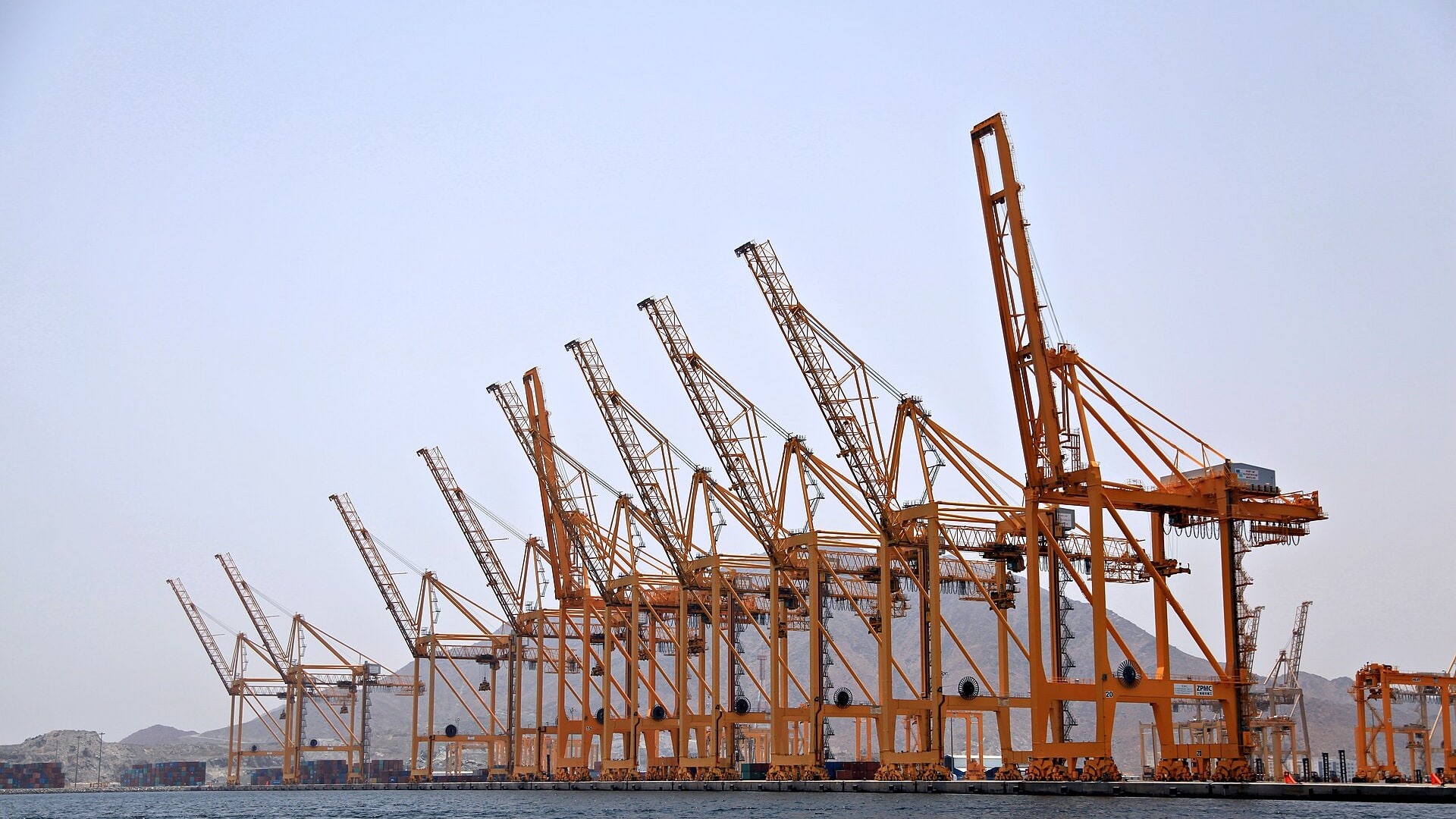
There is no single price to ship a container from China to Mexico. The honest answer is a range that depends on container size, the lane, the season, your product’s duty rate, and how much of the door-to-door job you want handled. This guide breaks down the full cost stack so you can budget realistically — and explains why the only number that counts is a live quote for your shipment this week.
Key takeaways
- There is no fixed price. Ocean freight rates move weekly with capacity, fuel and season, so treat any figure as a snapshot, not a promise.
- The landed cost is a stack: ocean freight + origin charges + destination/port charges + customs duty + IVA at 16% + inland delivery. Those agreed layers may instead be bundled into one DDP all-in price only after a named eligible Mexican importer, lawful clearance route, scope, feasibility and exclusions are confirmed per shipment on WhatsApp.
- FCL (20ft, 40ft, 40HQ) is priced per container; LCL is priced per cubic metre (CBM) and suits smaller loads.
- Mexico’s 2026 tariff decree changes the duty for listed tariff classifications, so cargo value alone cannot determine the landed total.
- Air freight can beat ocean on total cost for small, urgent or high-value cargo once you count time and tied-up capital.
- Always confirm the current rate for your exact product and lane — this is planning info, not a fixed quote.
What goes into the cost of shipping a container from China to Mexico?
The price you pay is a stack of separate charges, not one number. A typical China–Mexico container cost is built from:
| Cost layer | What it covers |
|---|---|
| Ocean freight | The sea leg — priced per container (FCL) or per CBM (LCL) |
| Origin charges | Export customs, terminal handling at the China port, documentation |
| Destination/port charges | Terminal handling and port fees in Mexico, plus any storage |
| Customs duty | Import tariff based on the HS code and origin |
| IVA (VAT) | Mexico’s general 16% rate, applied to the statutory import base defined in IVA Law article 27 |
| Inland delivery | Trucking from the Mexican port to the final door |
The freight quote you see online is usually just the first line. The lines below it — duty, IVA, handling and delivery — are where the real landed cost is decided. The layers above may be bundled into one DDP all-in price only after the named eligible Mexican importer, lawful clearance route, valuation, taxes, scope, feasibility and exclusions are confirmed per shipment on WhatsApp.
FCL vs LCL: how container size changes the price
FCL is priced per container and LCL is priced by volume, so the cheaper option depends on how much you are shipping.
- FCL (Full Container Load) means you book a whole box — a 20ft, 40ft or 40HQ (high-cube) — at a flat rate regardless of how full it is. It wins once you have enough cargo to fill most of a container.
- LCL (Less than Container Load) means you share a container and pay per cubic metre (CBM), with a minimum charge. It suits smaller loads, but per-unit costs rise and there is extra handling at a deconsolidation warehouse.
A rough rule: somewhere around 13–15 CBM, FCL in a 20ft container often becomes cheaper than LCL by volume. The break-even moves with the rate environment, so check both — see FCL vs LCL ocean freight.
Why do China–Mexico shipping rates change so much?
Rates swing because ocean freight is a live market, not a fixed tariff. The same lane can cost noticeably more or less from one month to the next.
The main drivers:
- Capacity and demand. When ships are full, prices rise; when space is loose, they fall.
- Peak season and the GRI. Carriers apply a General Rate Increase (GRI) and peak-season surcharges when demand spikes, typically ahead of major shopping and holiday windows. See peak season shipping and the GRI.
- Fuel (BAF). A Bunker Adjustment Factor tracks fuel prices and moves your all-in rate up or down.
- Port conditions. If congestion affects Manzanillo or another booked gateway, costs and delays can rise together; check live port status with the service before booking.
- Equipment availability. A shortage of the right container at origin can push rates up before you even sail.
This is why a brochure number misleads — the rate that matters is the one quoted for your sailing window. For a full breakdown of the line items, see ocean freight charges and surcharges.
How do Mexico’s 2026 tariffs affect the landed cost?
Mexico’s tariff regime can change the duty line for a product, so the same freight cost can produce a very different total.
The decree published on December 29, 2025 and effective January 1, 2026 changes rates for the specific tariff classifications listed in the decree. It is not a blanket rate for Chinese cargo. Duty follows the exact classification, origin and any applicable preference; Mexico’s 16% IVA is then calculated on the import base defined by law, which includes the import tax, so a higher duty can also increase the IVA amount.
Two practical points:
- The HS classification of your product decides everything on the duty side. Get it right before you ship.
- Because rates are time-sensitive and change, confirm the current duty for your exact product before you price your goods.
We keep a planning guide to Mexico’s 2026 tariffs on Chinese imports. Treat it as planning information, not legal or customs advice.
What is DDP and does it make budgeting easier?
A DDP quote can combine the confirmed freight, import and delivery scope in one figure, but only after the Mexican import structure, product eligibility and exclusions have been checked.
Under the ICC DDP (Delivered Duty Paid) rule, the seller bears the agreed delivery, import-clearance, duty and tax obligations to the named place. The Mexican entry nevertheless needs a named eligible importer of record and a lawful clearance route. On WhatsApp we confirm that party and legal relationship, product eligibility, valuation, duties and taxes, delivery address, feasibility, inclusions and exclusions for the shipment.
The trade-off is that you are buying certainty, so the all-in price has to cover duty and tax exposure; its named eligible Mexican importer, lawful clearance route, scope, feasibility and exclusions are confirmed per shipment on WhatsApp. See DDP shipping from China to Mexico. For timing, China→Manzanillo or Lázaro Cárdenas ocean freight uses 30–45 days port-to-port, not a complete pickup-to-delivery window; see China to Mexico shipping times.
When is air freight cheaper than a container?
Air freight can win on total cost when the cargo is small, urgent or high-value — even though the rate per kilo is higher.
A full container only makes sense when you have the volume to justify it. For a few boxes, a stock replenishment, or a product where being on the shelf sooner earns more than the freight saves, air often comes out ahead once you count the capital tied up in slow-moving inventory.
Direct capacity and schedules change. We therefore confirm the live origin airport, destination airport, carrier space and full airport-to-airport window on the quote instead of promising a fixed arrival date. When in doubt, ask us to price both modes side by side.
A simple way to estimate your container cost
You cannot fix a price without the details, but you can frame the budget. Pull these together before asking for a quote:
- Origin and destination. China port or city, and the final Mexican door.
- Container or volume. 20ft, 40ft, 40HQ — or your total CBM and weight for LCL.
- Product and HS code. This drives the duty and IVA.
- Value and transaction details. These feed the statutory customs-value and IVA-base calculations.
- Incoterm and service. Port-to-port, or all-in DDP to the door.
- Timing. Peak-season windows change the rate.
With those six inputs we can build a realistic, current cost for your lane — not a brochure figure.
Frequently asked questions
How much does a 40ft container from China to Mexico cost in 2026? There is no fixed price — ocean freight for a 40ft or 40HQ moves weekly with capacity, fuel and season, and that is only the freight line. Your landed cost also includes origin and destination charges, customs duty, IVA at 16% and inland delivery. Ask for a live quote for your sailing window.
Is it cheaper to ship FCL or LCL from China to Mexico? LCL is usually cheaper for small loads because you pay per CBM, but FCL becomes cheaper once you have enough volume to fill most of a 20ft container — often around 13–15 CBM. Check both for your shipment.
Do I pay tax on top of the freight cost? Usually. The exact import duty follows the classification, origin and any preference. Mexico’s general IVA rate is 16% and article 27 defines its import base; port, clearance and handling charges depend on the shipment. A DDP quote can coordinate those confirmed items only after the eligible importer, valuation, taxes, inclusions and exclusions are identified.
Why did my quote change from last month? Ocean rates are a live market. GRIs, peak-season surcharges, fuel (BAF) and port congestion all move the price, so a quote is a snapshot of that week’s market, not a fixed tariff.
Cost is one part of the wider journey covered in our complete guide to shipping from China to Mexico. Tell us your origin city, your Mexican destination, the cargo and its value, and we will come back with a realistic, current cost for this week’s market — port-to-port or all-in to the door. Message us on WhatsApp for a quote, and if you are weighing the import side, start with our guides to DDP shipping and Mexico’s 2026 tariffs.
Sources
Ready to put a number on this shipment?
Part of
Tools for this topic