Guide
China to Mexico Inland Delivery: CDMX, Guadalajara & Monterrey DDP
The inland leg after the port: moving cargo from Manzanillo or Lázaro Cárdenas to CDMX, Guadalajara and Monterrey. Drayage, LTL vs FTL, customs and DDP.
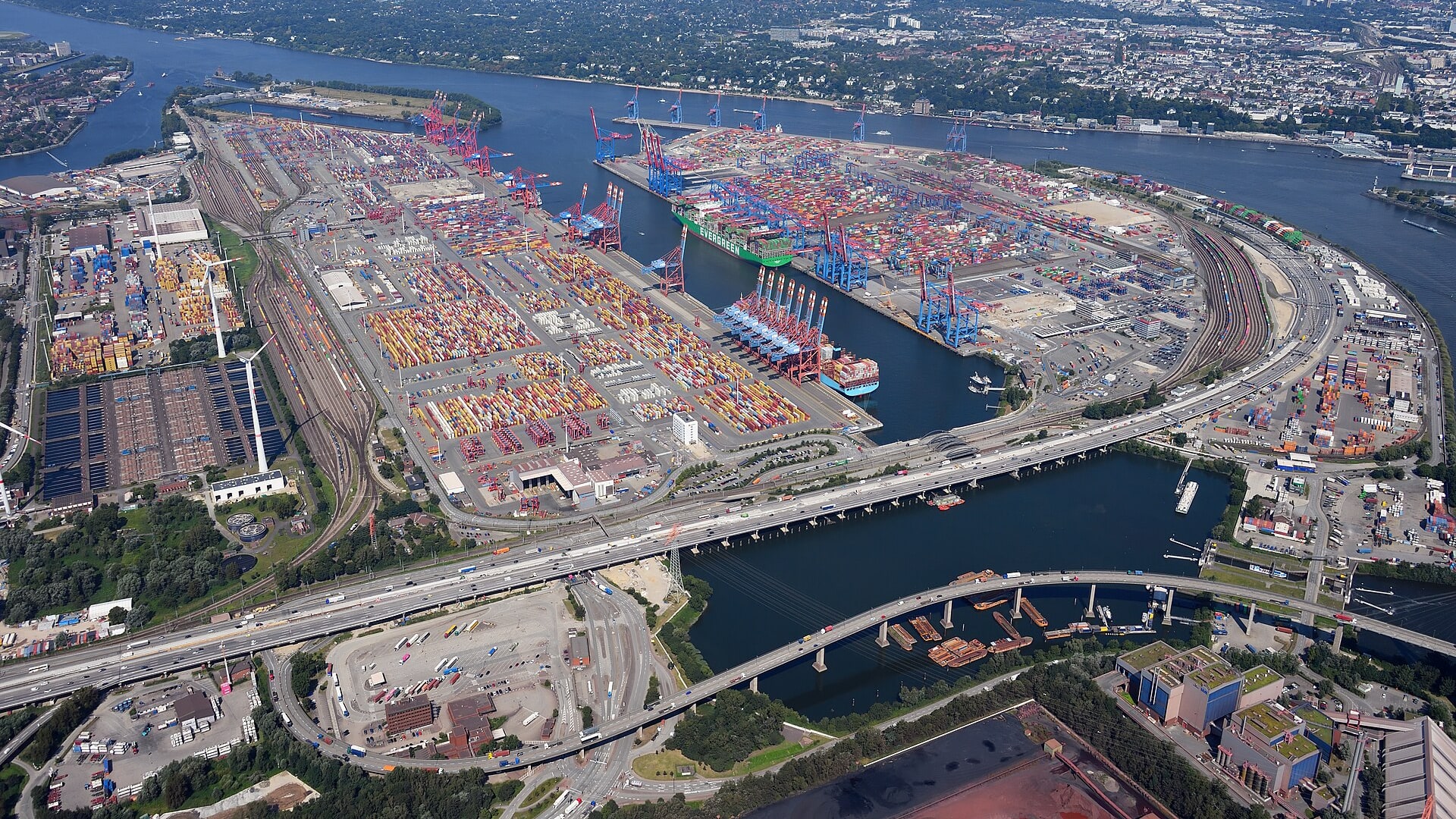
The hardest, most underestimated part of shipping from China to Mexico is usually not the ocean leg — it is getting the container from Manzanillo or Lázaro Cárdenas (or the MEX/NLU airport) to the final door in Mexico City, Guadalajara, Monterrey or the Bajío. This guide explains how the inland leg works, where customs happens, and why a DDP door-to-door arrangement often makes the whole move simpler and more predictable.
Key takeaways
- The inland leg — drayage out of the port plus inland trucking to the door — is often the part that drives total cost and total time, not the sea crossing.
- Most cargo enters through Manzanillo or Lázaro Cárdenas on the Pacific, then moves by road or rail to CDMX, the Bajío, Guadalajara or Monterrey.
- Customs clearance happens at the port of entry before the cargo is released for inland transport.
- LTL (shared truck) suits smaller loads; FTL (full truck) suits full containers or time-sensitive cargo.
- A DDP door-to-door all-in price is assessed only with a named eligible importer of record and clearance by a licensed partner broker; scope, applicable taxes, exclusions, delivery address and feasibility are confirmed per shipment on WhatsApp.
- Lead times from the port to inland destinations vary; we give a realistic window with a quote rather than a fixed day count.
What happens after the ship arrives at the port?
After the vessel berths and is unloaded, your container does not go straight to your door. It moves through a sequence: discharge, customs clearance, release, drayage out of the terminal, and then inland transport to the final destination.
For the ocean leg itself and current port considerations, see our guide to ocean freight from China to Manzanillo. Manzanillo and Lázaro Cárdenas are Pacific entry options; compare the live service, port status and final inland destination before choosing a gateway. Our guide to ocean freight to Lázaro Cárdenas and Veracruz compares the planning factors. The key point is that the port is the start of the inland journey, not the end of the shipment.
Where does customs clearance happen?
Customs clearance happens at the port (or airport) of entry, before the cargo is released for inland transport.
For a general formal commercial import, a pedimento and an eligible importer of record on the applicable Padrón de Importadores normally form part of the clearance path. Limited simplified procedures or exceptions may apply to qualifying shipments, so the licensed customs broker must confirm the lawful route for the specific cargo. Clearance and release still affect the inland timeline and can trigger demurrage and detention while the container waits.
How does cargo get from the port to CDMX, Guadalajara, Monterrey and the Bajío?
Cargo moves from the port to inland destinations by road or rail, in two stages: drayage from the terminal, then inland trucking (or a rail haul) to the final door.
The main inland corridors from the Pacific ports run to:
- Mexico City (CDMX) and its metro area, the country’s largest consumption market.
- The Bajío region (Guanajuato, Querétaro, Aguascalientes), a major manufacturing and automotive cluster.
- Guadalajara, the western commercial and industrial hub.
- Monterrey in the northeast, close to the US border and a key distribution centre.
Rail can be cost-effective for full containers moving deep inland, while trucking offers more flexibility for door delivery and smaller loads. If port congestion occurs, inland slots can tighten too, so check the live port and trucking status when planning the final leg.
Why does the inland leg drive total cost and time?
The inland leg often costs and adds more than people expect because distance, drayage, fuel, tolls and the final-mile delivery all stack on top of the ocean freight.
A container that has crossed the Pacific still has to be pulled from a busy terminal, trucked hundreds of kilometres, and delivered to a specific address that may have its own access or unloading constraints. A few realities to plan around:
- Distance varies a lot by destination. The haul to CDMX or the Bajío is different from the haul to Monterrey, and each carries its own cost and timing.
- Drayage and terminal handling are separate from the long-haul trucking and are easy to overlook in a freight-only quote.
- Free time matters. If clearance or trucking is not arranged in advance, the box accrues demurrage and detention while it waits.
This is why a port-to-port rate tells you very little about your true landed cost. For how the timing adds up end to end, see our China to Mexico shipping time guide.
LTL or FTL for the inland leg?
The inland trucking decision mirrors the FCL-versus-LCL choice at sea: it comes down to how much you are moving and how time-sensitive it is.
| LTL (shared truck) | FTL (full truck) | |
|---|---|---|
| Best for | Smaller loads, partial pallets | Full containers, larger volume |
| Priced by | Space / weight used | Per truck |
| Speed | Slower (multiple stops) | Faster, more direct |
| Handling | More touch points | Fewer touch points |
- LTL (Less than Truckload): you share a truck and pay for the space you use. Best for smaller shipments where a full truck is not justified; the trade-off is extra handling and a less direct route.
- FTL (Full Truckload): you book the whole truck. Best for full containers, fragile or high-value goods, or time-sensitive cargo that needs a direct run to the door.
For a full container cleared at the port, FTL to the door is usually the cleaner option. For a few pallets going to CDMX or Guadalajara, LTL can be more economical.
How long does the inland leg take from Manzanillo to CDMX or Monterrey?
Speaking in general terms, the inland leg adds time on top of port clearance, and the exact duration depends on the destination, the mode (road or rail), congestion and how quickly clearance is completed.
We deliberately do not publish fixed day counts for the inland haul, because they shift with port conditions, customs timing and carrier availability, and a number that looks precise is often wrong by the time you ship. Manzanillo to the Bajío or CDMX is a different run from Manzanillo to Monterrey, and rail and road behave differently. The honest answer is that we map the full routing — port, clearance and inland leg — and give you a realistic window when we quote your specific cargo and destination.
What about the last mile and final delivery?
The last mile is the final delivery from the inland hub to your exact address, and it can carry its own requirements: appointment scheduling, unloading equipment, or restrictions at the receiving site.
For deliveries into dense urban areas like central CDMX or Guadalajara, access windows and vehicle restrictions can matter. For warehouse or FBA deliveries, the receiving facility often requires booked appointments and specific labelling. Confirming these details before the truck rolls avoids failed deliveries and re-delivery fees.
Why DDP door-to-door for inland Mexico?
A DDP (Delivered Duty Paid) all-in price is assessed only after a named eligible importer of record and clearance by a licensed partner broker are identified. Scope, applicable taxes, exclusions, delivery address and feasibility are confirmed per shipment on WhatsApp rather than assumed from the Incoterm label.
This is a service we assess on the China–Mexico lane. Under a confirmed DDP structure, we coordinate origin pickup, the main leg and delivery; the Mexican import uses a named eligible importer of record and clearance by a licensed partner customs broker. Scope, applicable taxes, exclusions, delivery address and feasibility are confirmed per shipment on WhatsApp. For the mechanics, see DDP shipping from China to Mexico.
The alternative is handling the import yourself under the lawful path confirmed for the cargo, engaging a customs broker, paying applicable duties and taxes directly, and arranging drayage and inland trucking separately. If you want one coordinating counterpart, a DDP structure can be assessed, but it does not replace the named importer or shipment-specific checks.
Frequently asked questions
Does shipping from China to Mexico include delivery to my door? Only if it is included in the confirmed quote. A port-to-port or freight-only quote ends at the terminal. A DDP door-to-door option is assessed with a named eligible importer and licensed partner broker; scope, applicable taxes, exclusions, delivery address and feasibility are confirmed per shipment on WhatsApp.
Where does customs clearance take place? At the port or airport of entry, before release for inland transport. For a general formal commercial import, a pedimento and an eligible importer on the applicable Padrón normally apply; a licensed customs broker confirms any qualifying simplified procedure or limited exception for the shipment.
What is the difference between LTL and FTL? FTL means you book a full truck, best for full containers and time-sensitive cargo. LTL means you share a truck and pay for the space you use, best for smaller loads.
Why is the inland leg so important to total cost? Because drayage, long-haul trucking, fuel, tolls and final-mile delivery stack on top of the ocean freight, and distance varies by destination. The inland leg often drives both total cost and total time more than the sea crossing.
Can you deliver to a final address or to an FBA warehouse? Where feasible, we coordinate delivery to a confirmed final address or warehouse under a shipment-specific DDP structure with a named eligible importer and licensed partner broker. Scope, applicable taxes, exclusions, address, appointments and feasibility are confirmed per shipment on WhatsApp.
Get a door-to-door quote for Mexico
The ocean leg is only half the journey. Getting your cargo from Manzanillo or Lázaro Cárdenas to the final door in CDMX, Guadalajara, Monterrey or the Bajío is where total cost and time are really decided, and where a DDP door-to-door arrangement saves the most coordination.
The inland leg is the final stage of the journey mapped in our complete guide to shipping from China to Mexico. For a clear, honest quote covering freight, clearance, duties and inland delivery to your door, message us on WhatsApp with your origin, volume, product and final destination. To go deeper, see our guides to ocean freight from China to Manzanillo and China to Mexico shipping time.
The service behind this lane
Part of
Tools for this topic