Guide
Importing from China: Customs, Duties, Tariffs & Compliance (2026)
A complete 2026 guide to importing from China: customs documents, who can be importer of record, HS codes, tariffs, duties, taxes and product compliance.
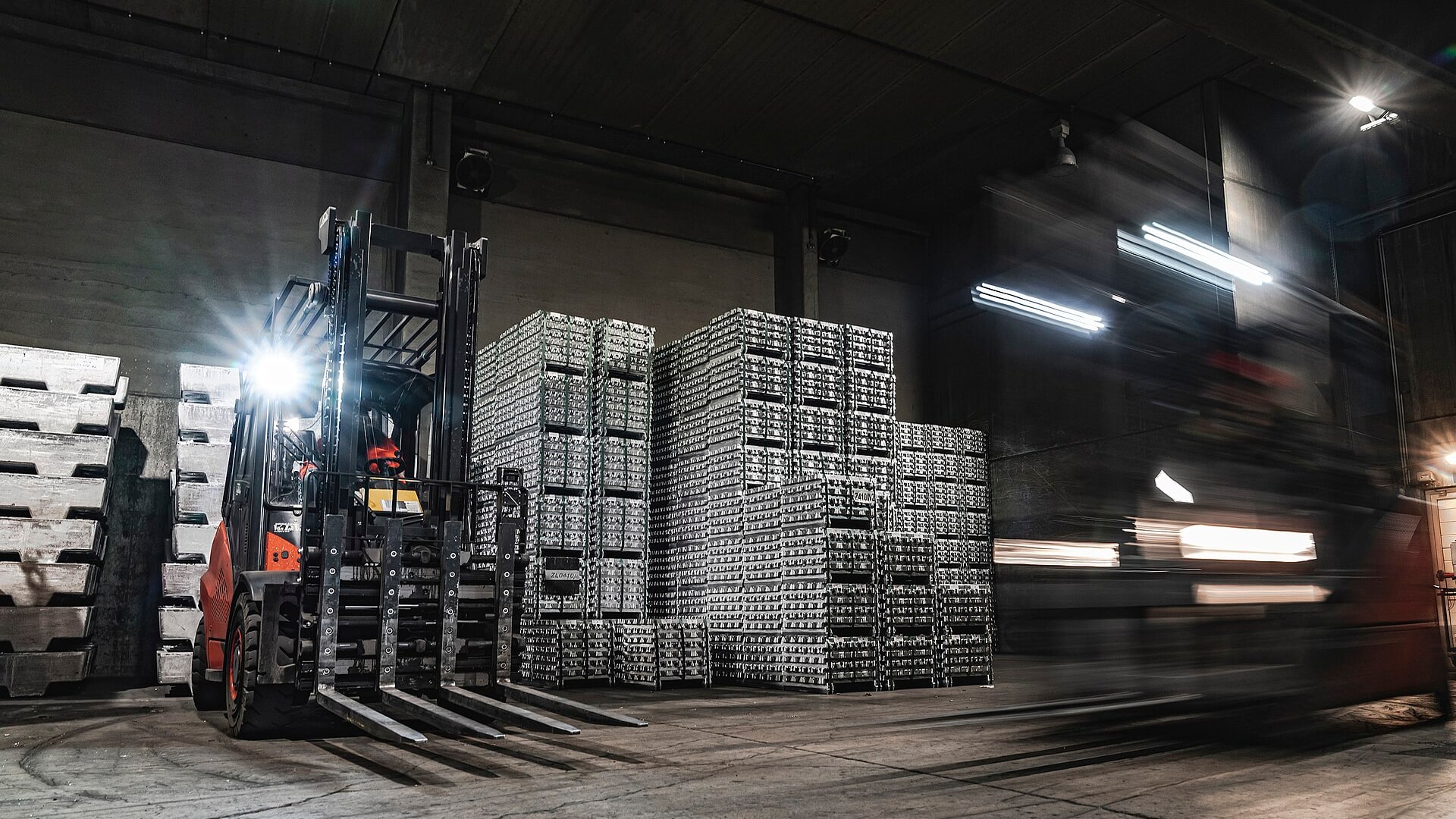
Before cargo arrives, plan at least three customs workstreams: identify the eligible declaring/importing party under the destination’s rules, confirm the tariff classification for every product, and assemble the shipping and compliance documents. The precise declaration route and required file differ by country and product.
This guide is the overview. Importing from China to Latin America — Mexico above all, but also Colombia and beyond — touches a dozen separate rules, each with its own detailed guide linked below. Here we connect them: what every shipment needs, who pays what, and where the pitfalls hide. Treat it as planning information, not legal advice — tariff and tax rates move, so confirm the current figures for your exact product before you commit to a price.
Key takeaways
- Customs problems are usually paperwork and registration problems, not freight problems. Most stuck shipments trace to an unregistered importer or an incomplete document set.
- A formal import needs an eligible declaring/importing party under the destination’s rules. In Mexico, Padrón enrolment is the general importer route, while article 40 allows direct clearance or appointment of a customs agent or agency.
- The tariff classification drives the duty and many compliance checks; customs value and the IVA base follow their own statutory rules.
- Mexico changed specified tariff lines from January 1, 2026 — verify whether the exact classification appears in the decree before changing your cost model.
- Product compliance is separate from importer registration. In Mexico, screen the exact product and classification against the current NOM scope and Anexo 2.4.1 before production.
- Mexico’s general IVA rate is 16%; article 27 defines the statutory import base. Do not reduce that legal calculation to “customs value plus duty” for every shipment or reuse it in another country.
- Your Incoterm allocates obligations, but does not replace the importer. Under DDP, the seller coordinates import and duties; an eligible local importer still has to be identified, and we confirm that structure per shipment.
What documents does every China import need?
Every formal import clears on a customs declaration backed by a standard document set, and a missing or inconsistent document is the fastest way to delay a shipment. The core paperwork is similar across countries, even though the declaration has a different name in each. At minimum, plan to have:
- A commercial invoice or equivalent document with accurate description, value and parties. For Mexican clearance, RGCE 2026 rule 1.9.16 requires the transmission in Spanish by default; when the underlying document is in English or French, the transmission may use that same language. Rule 3.1.8 requires Spanish translation of the listed detailed commercial-description data only when those data are in a language other than Spanish, English or French, and extends that treatment to the specified transport and supporting documents; it does not require the entire commercial invoice to be translated. Confirm the language rule separately for other destinations.
- The bill of lading (ocean) or air waybill.
- The packing list.
- The HS classification for each product line.
- Any required permits, certificates or compliance documents — NOM, sanitary, phytosanitary, and so on.
On the China side, your supplier and forwarder also produce export-clearance paperwork — the export declaration and, where relevant, a certificate of origin. Our guide to China export customs documents covers why mismatches between the invoice, packing list and bill of lading cause holds.
Who can be the importer of record?
The declaring or importing party is the person in whose name the destination entry is made. Its eligibility and the way it may promote clearance are matters of local law, so do not assume that one country’s importer-of-record structure transfers unchanged to another.
In Mexico, enrolment in the Padrón de Importadores with an active RFC is the general importer route. SAT also publishes limited procedures such as a one-time authorization for qualifying adult individuals (personas físicas), so avoid treating an exception as a reusable commercial route. Customs Law article 40 allows the importer or exporter to promote clearance directly or appoint a customs agent or customs agency; a legal entity using direct clearance acts through an accredited legal representative. Our guide to the pedimento and Mexican customs basics covers the declaration and current checks.
An additional sector-specific register (Padrón de Sectores Específicos) is required only when the exact tariff classification is listed in the current Anexo 10 and no applicable exception controls. A broad label such as “textiles”, “steel” or “auto parts” is not enough to decide the result. Check the live classification early — see the Padrón de Importadores and specific sectors, importing textiles and apparel and importing auto parts.
A practical consequence: a Chinese seller without an eligible Mexican taxpayer presence and the required importer registration normally cannot be named as the importer on the general route. We can assess a DDP structure, but the named Mexican importer, legal relationship and clearance route must be confirmed before booking.
How are HS codes and duties calculated?
Duty is calculated by applying the rate tied to a product’s HS code to its customs value, so classification is the hinge the whole calculation turns on. Get the code wrong and you either overpay or risk a misclassification or undervaluation penalty.
The Harmonized System (HS) is the international product-coding standard customs uses worldwide. Each code carries a duty rate that also depends on origin — goods from a free-trade-agreement country may enter at a preferential or zero rate, while non-FTA origin pays the general tariff. Our guide to HS codes and tariffs explains how classification works and how to find the right code. The typical landed-cost stack looks like this:
| Component | How it is calculated |
|---|---|
| Customs value | Determined under the destination’s valuation law from the transaction and any required additions |
| Import duty | HS-code rate × customs value, adjusted for origin |
| IVA / VAT | Mexico’s general rate is 16%; article 27 defines the import base. Other countries use their own rules |
| Customs processing fees | Country-specific handling and broker charges |
For Mexico, article 27 starts from the import-tax value and adds the import tax and other contributions and charges identified by law. A higher import duty can therefore increase the IVA base, but the full statutory calculation should be confirmed for the actual entry.
How much are Mexico’s 2026 tariffs and the parcel tax?
Mexico’s formal-import tariff and simplified courier treatment are separate systems. For either one, identify the exact tariff classification, origin, value and entry procedure before calculating cost.
For formal imports, the decree published December 29, 2025 and effective January 1, 2026 changes the rates only for the tariff classifications listed in it. It does not impose one blanket rate on Chinese goods. Any preferential US or Canadian treatment depends on the goods satisfying the applicable rules of origin, not merely being shipped through a USMCA country. The full verification workflow is in Mexico’s 2026 tariffs on Chinese imports.
Separately, covered courier and parcel shipments from non-treaty origins generally use a 33.5% global rate under the simplified rules. The 19% treatment applies only when every condition in rule 3.7.35 III(c) is satisfied. Formal imports use the ordinary duty and IVA calculation instead; see Mexico’s courier and parcel tax.
What product compliance do I need beyond customs?
Many goods must meet destination-country product standards that are entirely separate from customs registration, and these catch first-time importers because they must be solved before production, not at the border. Clearing customs and complying with product law are two different gates.
In Mexico, a NOM (Norma Oficial Mexicana) applies only when the exact product and tariff classification fall within the current official scope and Anexo 2.4.1. Depending on that scope, the requirement may involve Spanish-language information, certification or testing; exceptions must be checked at the same time. Our NOM certification guide explains the screening process, and importing machinery from China to Mexico shows how to apply it to a regulated category.
Telecommunications equipment can also face a separate homologation or technical-rule review. Verify the exact device against the current authority rules rather than assuming every electronic product follows the same path; our electronics import guide provides a category checklist.
Mexico’s IMMEX programme can defer specified import charges only for an authorised temporary-import operation of a qualifying Mexico-resident legal entity carrying out an industrial process or export service. It is not a blanket exemption for domestic resale, and the 19 December 2024 decree bars listed finished-apparel tariff lines from temporary import under the programme. See the IMMEX program explained and verify the authorised operation and exact fracción.
How does importing into Colombia differ from Mexico?
The planning categories are similar — an eligible declaring party, classification, documents, duties and taxes — but the authority, declaration and live treatment differ, so you cannot simply reuse a Mexican playbook in Colombia.
In Colombia, customs procedures are administered by the DIAN. Confirm the current importer eligibility, declaration, tariff, IVA and licensing treatment under Colombian rules; it does not map one-to-one onto Mexico’s NOM and Padrón system. Our guide to shipping from China to Colombia and DIAN customs covers that separate workflow.
The wider lesson: confirm each destination’s registration rule, duty and VAT rates, and compliance requirements separately. What clears smoothly into Manzanillo is not automatically ready for Buenaventura.
How do Incoterms change who handles clearance?
Your Incoterm is the contract term that decides where the seller’s responsibility ends and the buyer’s begins — including who clears customs and pays the duty — so it quietly determines who must be registered as importer of record. Choosing the wrong term is how buyers end up responsible for a clearance they are not set up to handle.
Under the Incoterms 2020 rules, the three terms that matter most on China–Latin America lanes behave very differently:
- FOB — the seller delivers onto the vessel at the China port; from there the buyer arranges the main freight and normally coordinates destination import clearance under the local eligibility rules.
- DAP — the seller delivers to the named destination, but the buyer is still the importer of record and pays import duty and taxes.
- DDP — the seller coordinates delivery cleared and duty-paid to the agreed destination. The seller side handles the named obligations, while an eligible destination importer and all product requirements still have to be confirmed.
The practical comparison is in DDP vs DAP vs FOB. DDP does not remove the registration requirement: the destination declaration still needs an eligible importer. We can assess and arrange that structure, then confirm the named importer, product eligibility, scope, exclusions and price for the shipment on WhatsApp.
Frequently asked questions
Do I need to be registered to import from China, or can my supplier handle it? You need an eligible importer of record under the destination country’s rules. If you do not have one, we can assess a DDP structure and identify a qualifying destination importer; the named party, legal role and scope must be confirmed before booking.
How much duty will I pay importing from China to Mexico? It depends on the exact tariff classification, origin and any applicable preference. The decree effective January 1, 2026 changes only its listed classifications. Mexico’s general IVA rate is 16% and its import base is defined by law; classify the product and confirm the live treatment before quoting.
What is the difference between customs clearance and NOM compliance? Customs clearance is the legal entry of goods on a declaration; NOM is a separate Mexican product-standard gate. Depending on the exact product, classification, current scope and exception, one or more requirements may apply — for example Spanish-language information, certification or testing — or the screened NOM may not apply at all. A customs-ready shipment can still be held when an applicable NOM requirement is unmet.
Is the low-value parcel tax the same as the import tariff? No. A formal import uses the tariff and IVA rules tied to its declaration. The simplified courier/parcel regime generally uses 33.5% for covered non-treaty-origin shipments; 19% is limited to the conditions in rule 3.7.35 III(c). Confirm eligibility for the actual channel.
Does importing into Colombia work the same way as Mexico? No. Colombia’s procedures are administered by the DIAN and use Colombian importer, declaration, tariff, IVA and licensing rules. Confirm the current treatment separately instead of reusing the Mexican workflow.
Get a clear answer for your shipment
Importing from China is often delayed by registration, classification or compliance that was not lined up in time. Before shipping, confirm the importer of record, classification, current duty and tax, and applicable product standards. If you need DDP, we can assess and arrange a compliant destination structure and confirm its limits shipment by shipment.
Tell us your products, tariff classifications if you have them, the destination country and the Incoterm you want, and we will assess a routing and identify the documents, charges and open compliance checks for the proposed scope. Message us on WhatsApp for a quote — before booking, we confirm the named eligible importer, clearance party, feasibility, inclusions and exclusions shipment by shipment.
Sources
- Ley del IVA, artículo 1: tasa generalSAT
- Ley del IVA, artículo 27: base gravable en importacionesSAT
- Decreto de reforma arancelaria, 29 de diciembre de 2025Diario Oficial de la Federación
- Reglas generales de comercio exterior: mensajería y paqueteríaDiario Oficial de la Federación
- Trámites aduanerosDIAN
- Inscríbete en el Padrón de ImportadoresSAT
- Autorización para importar por única vez sin PadrónSAT
- Ley Aduanera, artículo 40 (texto vigente; última reforma DOF 19-11-2025)Cámara de Diputados del H. Congreso de la Unión
- Reglas Generales de Comercio Exterior para 2026 — reglas 1.9.16, 3.1.8 y 3.7.35 (texto compilado con la Primera RMRGCE)Servicio de Administración Tributaria (SAT)
- Anexo 10 de las Reglas Generales de Comercio Exterior para 2026 — mercancías sujetas a padrones sectorialesServicio de Administración Tributaria (SAT)
- Normatividad de NOM y Anexo 2.4.1SNICE
- IMMEX: Acerca deSecretaría de Economía — SNICE
- Decreto por el que se modifica la tarifa de la LIGIE y el Decreto IMMEX (19 de diciembre de 2024)Diario Oficial de la Federación (DOF)
- Incoterms 2020: DDP ruleICC
Part of
Tools for this topic