Guide
Importing Textiles & Apparel from China to Mexico: NOM-004-SE-2021
How to screen textile imports by fracción for Anexo 10 registration, NOM-004-SE-2021 labeling, compensatory duties, 2026 tariffs, IMMEX and DDP.
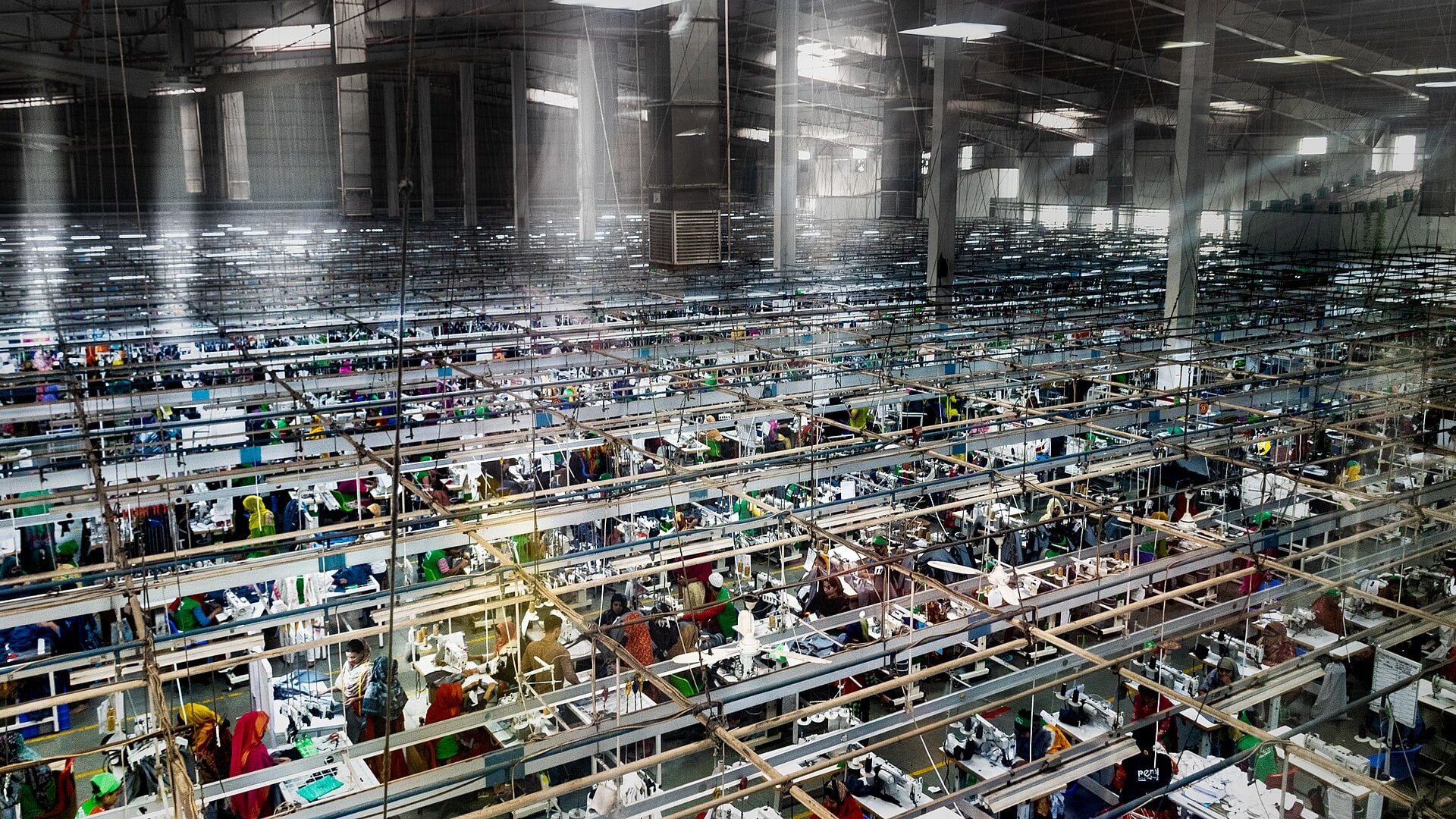
Textile and apparel imports to Mexico require classification-first screening. The exact fracción and product determine whether a sector-specific importer register, NOM-004-SE-2021, a compensatory-duty resolution or a rate changed by the 2026 decree applies. Check those items before production and before quoting DDP.
Key takeaways
- An additional Padrón de Sectores Específicos is required only when the exact classification falls within the current Anexo 10 sector list.
- NOM-004-SE-2021 labeling applies only when the exact product falls within its official scope and the current Anexo 2.4.1 treatment; check exclusions before specifying labels.
- A cuota compensatoria applies only when a current resolution covers the exact goods, fracción and origin; do not infer one from “Chinese textile” alone.
- The 2026 decree changes the rates for listed classifications; verify the exact fracción and origin, then calculate duty plus Mexico’s general 16% IVA on the article 27 import base.
- If an importer plans to use IMMEX, confirm that the program, operation and exact fracción qualify under the current rules before relying on duty deferral.
- A DDP door-to-door arrangement can coordinate freight, import and delivery only through a named eligible Mexican importer and an article 40 clearance route; feasibility, scope and price are confirmed on WhatsApp.
Why does textile importing start with classification?
Textiles and apparel can trigger several separate checks, but none should be assigned from the category name alone. Screen the exact fracción and product against three independent sources: the current Anexo 10 sector list, the scope and exclusions of NOM-004-SE-2021 and Anexo 2.4.1, and any current cuota compensatoria resolution.
Do I need a special importer register for textiles?
Only when the exact fracción appears in the current Anexo 10 sector list. Broad labels such as “textile” or “apparel” are not a substitute for that classification check.
- When the exact fracción triggers the sector list, the named importer needs the general Padrón and the corresponding sector enrolment. The SAT application requires an active RFC, valid e.firma and the other listed tax-profile conditions.
- If the classified product is within that sector list, the named importer needs the corresponding enrolment unless a current rule provides an applicable exception.
- Adding a sector takes time and can require extra documentation, so start it well before your first order.
How the registers work is covered in our Padrón de Importadores guide. A Chinese seller with no Mexican entity generally cannot hold these registers — which is where DDP comes in.
What labeling does apparel need under NOM-004-SE-2021?
NOM-004-SE-2021 covers specified textile products, apparel, accessories and household linen intended for the final consumer, subject to its material threshold and exclusions. When it applies, the information must be presented as the standard specifies; confirm the exact product scope and Anexo 2.4.1 treatment before production.
For covered apparel, the standard identifies these core information fields:
- Fibre content (the composition, e.g. percentages of cotton, polyester).
- Care instructions (washing and handling symbols/text).
- Size, brand and the responsible party’s information, including the importer details specified for imported goods.
- Country of origin.
When NOM-004-SE-2021 applies, agree the compliant label with the importer and compliance team before production. Do not copy a generic label template without checking the product’s official scope and required presentation.
What duties and anti-dumping charges apply?
Your landed cost is the freight plus several duty layers, and textiles are exposed to more of them than most categories. As of 2026:
| Component | What it is | Notes for textiles & apparel |
|---|---|---|
| Import duty | Tariff on the customs value | Verify the exact classification, origin, preference and whether the line appears in the 2026 decree |
| Cuotas compensatorias | Trade-remedy charge | Applies only when a current resolution covers the exact goods, fracción and origin |
| IVA | Value-added tax | Mexico’s general rate is 16%; article 27 defines the import base |
Two points to plan around:
- Check for cuotas compensatorias before you order. A charge exists only when a current resolution covers the exact goods, classification and origin.
- Check the 2026 decree by fracción. It changes only the classifications it lists; confirm origin, any preference and the live rate.
Treat all of this as planning information, not legal or tax advice — the official determination sits with Mexican customs for your exact product.
What about IMMEX for apparel manufacturers?
IMMEX may defer specified import charges for qualifying temporary imports used in an authorised industrial process or export service. Eligibility is not category-wide. The 19 December 2024 decree also added listed finished-apparel tariff lines to Annex I, barring those listed goods from temporary import under the programme. Verify the approved programme, operation and exact fracción rather than assuming the goods qualify; see the IMMEX program explained.
How should I ship apparel — FCL or LCL?
Apparel is relatively dense and stackable, so the decision is mostly about volume.
- LCL suits smaller or trial orders, where you pay by CBM and share a container; the trade-off is extra handling.
- FCL can reduce consolidation handling compared with LCL; compare the actual load plan, schedule and packaging for garments on hangers or in cartons.
For China→Manzanillo or Lázaro Cárdenas ocean freight, use 30 to 45 days port-to-port as the ocean planning benchmark. Pickup, export handling, customs and inland delivery are additional, so confirm the complete door-to-door window for the garment, origin and destination on the quote. The crossover between LCL and FCL is covered in FCL vs LCL ocean freight.
Who handles registration, customs and delivery? Our DDP option
If the sector register, NOM-004-SE-2021 and duty checks sound like a lot, we can assess a DDP (Delivered Duty Paid) structure after the classification, importer and clearance route are checked.
We can assess and arrange a compliant DDP structure after classification. The named eligible Mexican importer, article 40 clearance route, sector registration, NOM and cuota treatment, included charges, exclusions and price are confirmed for the shipment on WhatsApp.
Frequently asked questions
Do I need a special register to import textiles into Mexico? Only when the exact fracción is listed in the applicable Anexo 10 sector. If it is listed, the named importer needs the corresponding enrolment unless a current rule provides an exception.
What labeling do garments need in Mexico? If the exact product is within NOM-004-SE-2021’s official scope, use the information and presentation that standard requires. Confirm the product scope, exclusions and current Anexo 2.4.1 treatment before production.
Do Chinese textiles face anti-dumping duties in Mexico? A charge applies only if a current resolution covers the exact goods, fracción and origin. Check that resolution before ordering rather than generalising from the material or country alone.
Are textiles affected by Mexico’s 2026 tariffs? Only listed classifications receive the decree’s rate changes. Confirm the exact code, origin, any preference and current rate before you commit.
Can you handle the sector Padrón and customs for me? We can assess and arrange a compliant DDP structure. The quote identifies the eligible Mexican importer and confirms the applicable sector registration, NOM and duty treatment, scope and price for the shipment on WhatsApp.
Get a quote for your textile shipment
Textiles reward front-loading the compliance: confirm whether the fracción triggers a sector Padrón or NOM-004-SE-2021, check current cuota resolutions and the 2026 decree, and budget duty plus IVA into the landed cost.
When you are ready for real numbers, message us on WhatsApp with your product, volume and destination, and we will send a tailored quote with a realistic door-to-door window. Textiles are one lane within our customs and compliance guide; for the Mexico lane overall see our complete guide to shipping from China to Mexico.
Sources
- Ley del IVA, artículo 1: tasa generalSAT
- Ley del IVA, artículo 27: base gravable en importacionesSAT
- Padrón de ImportadoresSAT
- Decreto de reforma arancelaria, 29 de diciembre de 2025Diario Oficial de la Federación
- Normatividad de NOM y Anexo 2.4.1SNICE
- NOM-004-SE-2021 — información comercial y etiquetado de productos textilesDiario Oficial de la Federación
- Inscríbete en el Padrón de ImportadoresSAT
- Anexo 10 de las Reglas Generales de Comercio Exterior para 2026 — mercancías sujetas a padrones sectorialesServicio de Administración Tributaria (SAT)
- Cuotas Compensatorias: NormatividadSNICE
- IMMEX: Acerca deSecretaría de Economía — SNICE
- Decreto por el que se modifica la tarifa de la LIGIE y el Decreto IMMEX (19 de diciembre de 2024)Diario Oficial de la Federación (DOF)
- Ley Aduanera, artículo 40 (texto vigente; última reforma DOF 19-11-2025)Cámara de Diputados del H. Congreso de la Unión
Clearance is done by partner brokers; the freight is ours to move
Part of
Tools for this topic