Guide
Shipping from China to Costa Rica: Caldera, Moín, TICA Customs & Costs
How to ship from China to Costa Rica via Caldera or Moín/Limón: ocean and air options, transit ranges, TICA customs clearance, DAI duty and IVA.
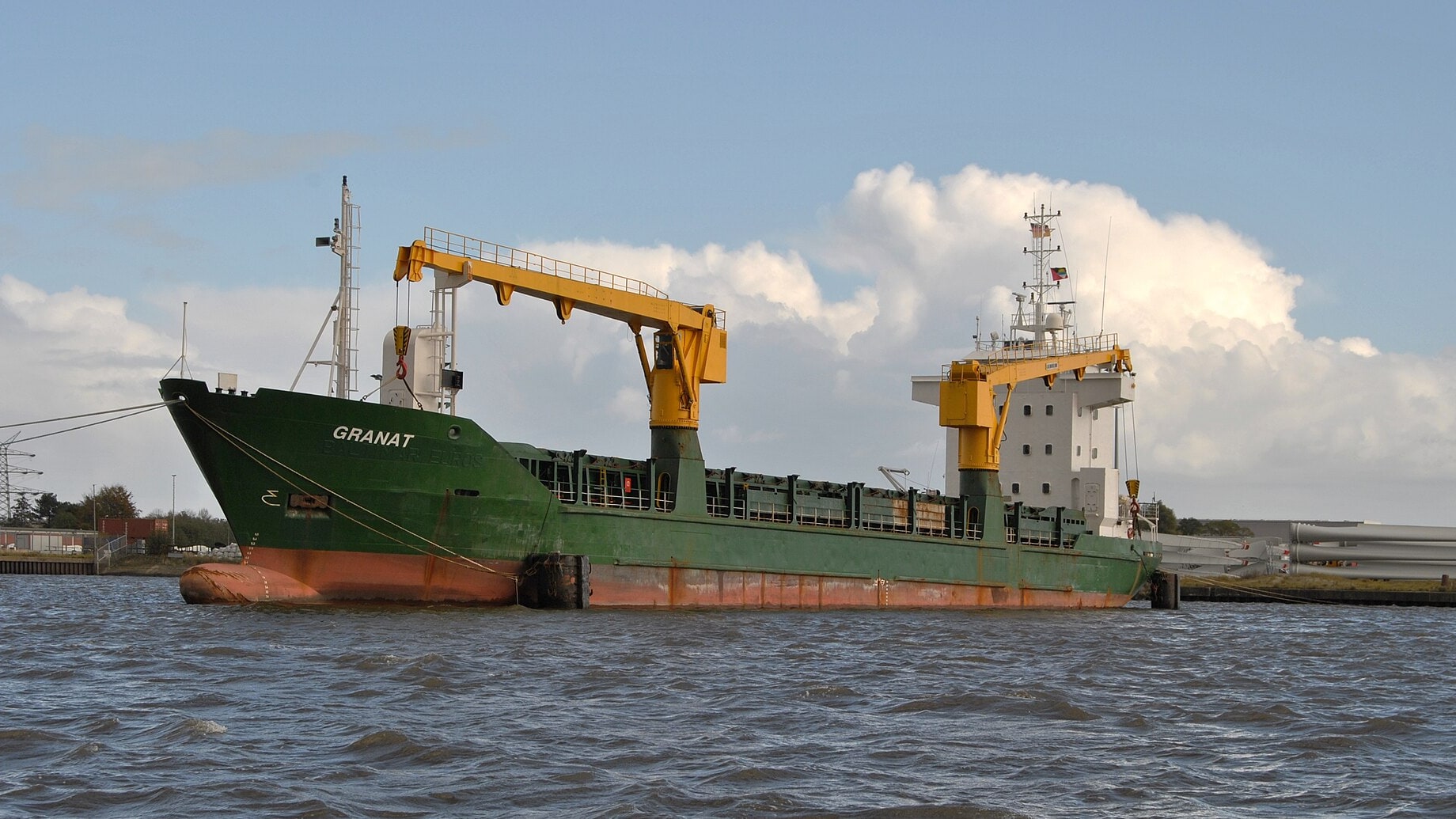
Most container imports from China to Costa Rica arrive through one of two gateways — Caldera on the Pacific coast or Moín / Limón on the Caribbean — and are cleared by the Dirección General de Aduanas through the electronic TICA system. Pacific Caldera is usually the more direct Asia routing. If you are a Chinese exporter shipping to Costa Rica, or a Costa Rican importer sourcing from China, this guide covers the routing, the realistic timing, the customs steps and the cost components you need to plan for.
Key takeaways
- Costa Rica has two main maritime gateways: Caldera on the Pacific and Moín / Limón on the Caribbean, where APM Terminals Moín is the main container terminal.
- Caldera (Pacific) is typically the more direct routing from Asia; the Caribbean side suits Atlantic-routed services.
- Customs clears through the Dirección General de Aduanas via the TICA electronic system; the importer must be registered to import, with declarations filed through an agente de aduanas.
- Landed cost includes classification-based DAI and Costa Rica’s 13% general IVA rate; exemptions, reduced treatment and other levies depend on the goods and regime.
- CAFTA-DR preferences do not apply to Chinese-origin goods — they pay the general tariff for their HS code.
- A DDP door-to-door structure can be quoted after the named eligible Costa Rican importer, licensed customs broker, product, scope and price are confirmed.
What is the main port for shipping from China to Costa Rica?
Costa Rica is unusual in having a working gateway on each coast, so the “main port” depends on the routing your carrier uses.
- Caldera, on the Pacific coast near Puntarenas, is generally the more direct entry point for cargo crossing from Asia. Vessels on Pacific routings reach it without rounding the continent or transiting the Panama Canal to the Atlantic side.
- Moín / Limón, on the Caribbean coast, is home to APM Terminals Moín, the country’s main deep-water container terminal. It suits services that route via the Atlantic, including transhipment through Caribbean and Panama hubs.
Which gateway your shipment uses comes down to the carrier’s service network and where your final delivery point sits. For a wider regional view, see our China to Latin America shipping guide.
| Gateway | Coast | Typical Asia routing | Notes |
|---|---|---|---|
| Caldera | Pacific (near Puntarenas) | Usually the more direct routing from Asia | No Canal transit needed for Pacific services |
| Moín / Limón | Caribbean | Atlantic-routed / transhipment services | APM Terminals Moín is the main container terminal |
How long does shipping from China to Costa Rica take?
Costa Rica’s two-coast choice makes transit a range that depends heavily on which gateway your carrier uses, so always check whether a quote is port-to-port or door-to-door before comparing. Our guide to air and ocean freight from China explains the difference and why we quote a window rather than a fixed day count.
- Ocean door-to-door includes pickup, the booked ocean service, arrival at Caldera or Moín, customs and inland delivery. We confirm a shipment-specific range instead of applying an unsupported fixed interval.
- Air freight is a few-day, airport-to-airport option at a much higher cost, best kept for samples, urgent restocks and high-value, low-weight goods.
How does customs clearance work with TICA?
Costa Rica’s customs authority is the Dirección General de Aduanas (DGA), and import declarations are processed electronically through the TICA system (Tecnología de Información para el Control Aduanero).
For a Costa Rica commercial entry, the importer must be ready in TICA before the cargo is booked:
- Be registered to import with the relevant tax and customs authorities, so the import can be declared in their name.
- File the import declaration through a licensed agente de aduanas (customs broker), who transmits it in TICA.
Build the Costa Rica document pack so the TICA filing mirrors the cargo and its route:
- Commercial invoice and packing list with descriptions that support the Costa Rican HS classification
- Bill of lading for the Caldera or Moín sailing (ocean), or an air waybill for the airport route
- Any permits, registrations or certifications required for the specific regulated product and Costa Rican regime
If you do not have a registered Costa Rican entity, we can assess DDP and identify an eligible importer. The named party, product and tax treatment, scope and exclusions are confirmed before booking.
What taxes and duties apply when importing from China to Costa Rica?
For a Costa Rica quote, start with the HS-specific DAI, then add IVA and any regime levy; use these rows to reconcile the 2026 landed total:
| Component | What it is | Notes |
|---|---|---|
| DAI (customs duty) | Import tariff (derecho arancelario), a percentage of the customs value | Varies by tariff heading; verify your exact HS code |
| IVA | Value-added tax | General rate 13%; verify exemptions or other treatment for the goods |
| Other charges / levies | Product- or regime-specific taxes and fees | Do not add a generic levy; confirm the exact product and entry |
A few points to plan around:
- Duty varies by product. There is no single rate; the DAI percentage depends on the tariff heading for your specific goods, so confirm it before you order rather than assuming an old figure. Our explainer on HS codes and tariffs shows how classification drives the rate.
- CAFTA-DR does not help Chinese-origin goods. The free-trade agreement gives tariff preferences to qualifying US and Central American origin, not to China. Goods made in China pay the general tariff for their HS code, so do not budget against a CAFTA preference rate.
- IVA has a 13% general rate. Exemptions and other treatment depend on the goods and regime.
- Other charges and levies are not universal. Add them only after the exact product and entry procedure are confirmed.
These Costa Rica figures are planning inputs; the Dirección General de Aduanas decides the exact treatment from the product, HS code and entry.
Should I ship FCL or LCL to Costa Rica?
For Costa Rica, the FCL/LCL choice turns on gateway, CBM and the deconsolidation step after Caldera or Moín.
- FCL (Full Container Load): you book a whole 20ft or 40ft box. Best when you can fill most of a container, or when your goods are fragile, high-value or you want fewer touch points. FCL generally clears faster because it is not waiting on a deconsolidation warehouse.
- LCL (Less than Container Load): you share a box and pay by volume (CBM), which suits the many Costa Rican importers who ship below a full load, at the cost of a deconsolidation step after Caldera or Moín.
For where the FCL/LCL break-even sits — the half-container rule of thumb and the full cost-versus-speed trade-off — see FCL vs LCL ocean freight.
Who handles freight, customs and delivery? Our DDP option
If you prefer one landed-cost quote, we can assess a DDP (Delivered Duty Paid) structure and coordinate the confirmed scope through the named eligible importer and licensed customs broker. How DDP differs from DAP and FOB is set out in DDP vs DAP vs FOB.
We can assess and arrange the agreed pickup, freight, TICA clearance and delivery legs after identifying an eligible Costa Rican importer. The DAI, IVA, any product-specific levy, inclusions and exclusions are confirmed on WhatsApp.
Frequently asked questions
What is the main port for importing from China to Costa Rica? There are two: Caldera on the Pacific coast, usually the more direct routing from Asia, and Moín / Limón on the Caribbean, where APM Terminals Moín is the main container terminal. Which one your cargo uses depends on the carrier’s service network.
What do I need to import into Costa Rica? You must be registered to import with the relevant authorities, and the import declaration is filed through a licensed agente de aduanas in the TICA system, with an invoice, packing list and bill of lading or air waybill that match the goods.
How much is IVA in Costa Rica? Costa Rica’s general IVA rate is 13%. Whether an exemption, reduced treatment or other levy applies depends on the exact goods and regime.
Does CAFTA-DR reduce the duty on goods from China? No. CAFTA-DR preferences apply to qualifying US and Central American origin, not to China. Chinese-origin goods pay the general tariff for their HS code, so plan against the general rate, not a preference rate.
Can you clear customs and deliver to the door for me? We can assess a Costa Rica DDP structure once an eligible importer and broker are named; the TICA party, DAI/IVA treatment, scope, exclusions and price are confirmed per shipment.
Get a quote for your Costa Rica shipment
Costa Rica gives you a choice of two gateways — the more direct Pacific routing through Caldera and the Caribbean terminal at Moín / Limón. The keys are choosing the right gateway and mode, getting your paperwork right in TICA, and planning for the DAI, IVA and any other levies as part of your true landed cost — remembering that CAFTA-DR does not cut the duty on Chinese-origin goods.
When you are ready for real numbers, message us on WhatsApp with your origin, volume and product, and we will send a tailored quote with a realistic transit window. The Costa Rica lane is part of our guide to air and ocean freight from China. For more on the region, see our China to Latin America shipping guide.
Sources
- Ley del Impuesto al Valor Agregado: tarifa generalSistema Costarricense de Información Jurídica
- Ley General de Aduanas, texto vigenteSistema Costarricense de Información Jurídica
The service behind this lane
Part of
Tools for this topic