Guide
How to Pack and Palletize Export Cargo Safely
Practical packing and palletizing guidance for international freight — carton strength, pallet choice, stacking, wrapping and labeling that prevents damage in transit.
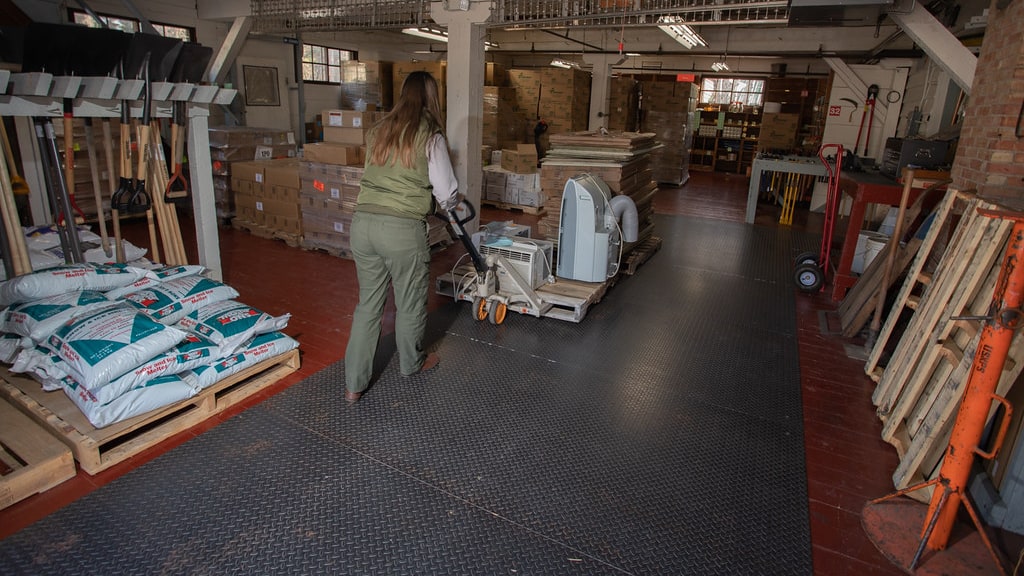
International shipments get handled, stacked, vibrated and sometimes dropped many times between your warehouse and your customer. Good packing is cheap insurance against expensive damage. Here is how to prepare cargo that arrives intact.
Key takeaways
- Strong outer cartons are the first line of defence — use double-wall corrugated for heavier or fragile goods, and never over- or underfill.
- For a destination implementing ISPM 15, raw or solid-wood packaging within scope should use a current approved treatment and compliant mark. Heat treatment is one approved option, not the only one; packaging made wholly from qualifying processed wood may be exempt.
- Match pallet size to your cartons so boxes sit fully on the deck without overhang, which destroys stacking strength.
- Stretch-wrap the full load anchored to the pallet, with corner boards and strapping for heavy or sharp-edged cargo.
- Pack more robustly for LCL and air consolidation, where goods are handled more and sit alongside others.
- Clear handling labels and shipment marks that match your packing list speed identification and reduce customs hold-ups.
Start with the right carton
The outer carton is the first line of defence:
- Use double-wall corrugated boxes for heavier or fragile goods; single-wall is fine only for light, robust items.
- Do not overfill or underfill. Cartons should be full enough that they do not crush when stacked, but not bulging.
- Fill void space with appropriate dunnage so contents cannot shift, but avoid excessive bulky fill that inflates volumetric weight.
- Seal with proper packing tape in an H-pattern across all seams.
Choose and build the pallet properly
For anything beyond a few cartons, palletizing protects the goods and speeds handling:
- Pallet type: identify whether the pallet is regulated raw or solid wood, exempt processed wood, plastic or another material. Where the destination implements ISPM 15, in-scope wood packaging needs an approved treatment and compliant mark. Do not assume all “pressed wood” is exempt without confirming its construction.
- Size: match the pallet to your cartons so boxes sit fully on the deck without overhang. Overhanging boxes lose most of their stacking strength.
- Weight distribution: put heavier cartons on the bottom, lighter on top, with weight spread evenly across the pallet.
Stack and secure for the journey
- Column stack (boxes directly on top of each other) maximises strength; interlocking improves stability but reduces stacking strength, so balance the two.
- Keep the load within the pallet footprint and at a sensible height.
- Stretch-wrap the full load, anchoring the wrap to the pallet itself so cartons cannot slide off. Add corner boards under the wrap for sharp-edged or heavy loads, and strapping for extra security.
Label clearly
- Mark each carton and the pallet with handling symbols (fragile, this way up, keep dry) where relevant.
- Include shipment marks that match your packing list so the cargo can be identified without opening it.
- Keep labels on visible faces and protect them from moisture.
Match packing to the mode
- LCL ocean and air consolidation mean your goods sit alongside others and are handled more — pack more robustly.
- FCL is sealed at origin, so handling is lighter, but the long sea journey still brings vibration and humidity; consider moisture protection like desiccants for sensitive goods.
Frequently asked questions
Do export pallets really need to be ISPM 15 treated? Check the destination’s current implementation and the packaging construction. Regulated raw or solid-wood packaging within scope needs an approved treatment and compliant mark; ISPM 15 recognizes more than one treatment. Packaging made wholly from qualifying processed wood, such as plywood, particle board, oriented strand board or veneer made using glue, heat or pressure, is listed among the exemptions.
Should I column stack or interlock my cartons? Column stacking (boxes directly on top of each other) maximises stacking strength, while interlocking improves stability but reduces strength. Balance the two based on your cargo, and keep the load within the pallet footprint at a sensible height.
How should I pack differently for LCL versus FCL? LCL ocean and air consolidation mean your goods sit alongside others and are handled more, so pack more robustly. FCL is sealed at origin with lighter handling, but the long sea journey still brings vibration and humidity — consider desiccants for sensitive goods.
Can good packing prevent customs problems? It helps. Clear handling symbols and shipment marks that match your packing list let cargo be identified without opening it, and compliant pallets avoid holds for untreated wood — two common, avoidable triggers for delay.
Getting the paperwork to match the pallets
How cargo is packed decides what the packing list has to say. The packing list preparation guide explains each field and includes a blank template you can hand to the supplier.
The bottom line
Strong cartons, a correctly built and compliant pallet, a well-secured load and clear labels prevent the great majority of transit damage and customs hold-ups. Spend a little more on packing than feels necessary — it is far cheaper than a damaged shipment, an insurance claim, or a pallet rejected for untreated wood. This guidance is part of our broader guide to air and ocean freight from China.
Sources
- ISPM 15 — Regulation of wood packaging material in international tradeInternational Plant Protection Convention
- Guide to regulation of wood packaging materialInternational Plant Protection Convention