Guide
Incoterms 2020 Explained: A Shipper's Guide
A practical guide to Incoterms 2020 — what each term means, who pays for what, and where risk transfers between buyer and seller in international trade.
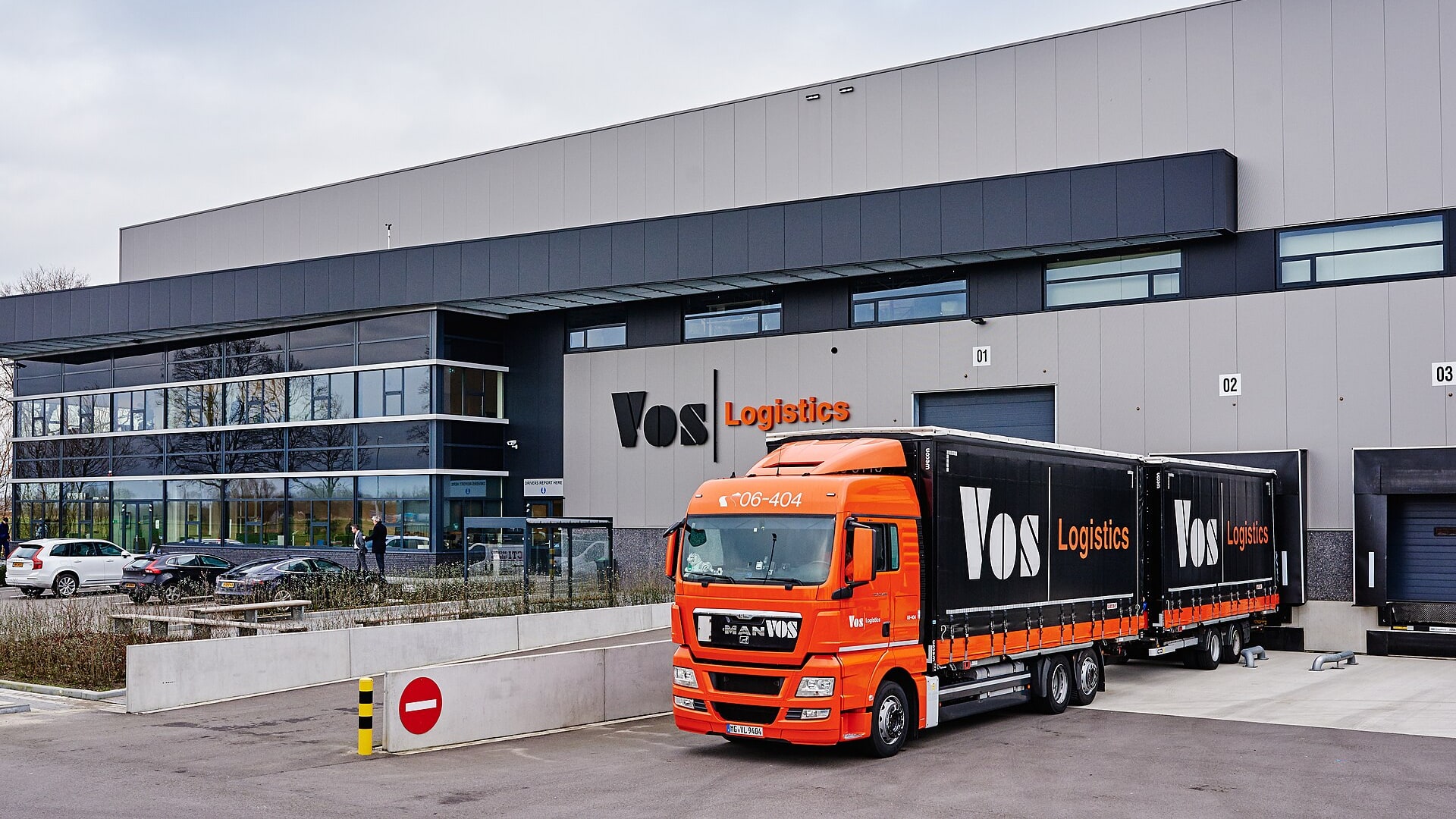
Incoterms are the three-letter codes — EXW, FOB, CIF, DDP and the rest — that appear on almost every international sales contract. Get them right and everyone knows exactly who pays for what and who carries the risk at each stage. Get them wrong and you end up arguing over a damaged shipment or an unexpected bill. Here is how they work.
Key takeaways
- Incoterms define who arranges transport, who handles export/import formalities, and where risk transfers — not payment, ownership or disputes.
- The 2020 edition has eleven terms: seven for any mode of transport, four for sea and inland waterway only.
- EXW puts maximum responsibility on the buyer; DDP puts maximum responsibility on the seller.
- The most common mistake is using a sea-only term like FOB or CIF for containers or air — use FCA, CPT or CIP instead.
- New importers who want simplicity lean to DDP/DAP; those wanting freight control lean to FOB (sea) or FCA (any mode).
- Always pair the term with a named place — “FCA Shenzhen”, not just “FCA” — and write it clearly on the contract.
What Incoterms do (and don’t) cover
Incoterms, published by the International Chamber of Commerce, define three things between a buyer and seller:
- Who arranges and pays for transport at each stage.
- Who handles export and import formalities.
- Where risk transfers from seller to buyer.
They do not cover when payment is due, transfer of ownership, or what happens in a dispute — those belong in your sales contract. Incoterms are about logistics responsibility, nothing more.
The eleven terms, grouped
The 2020 edition has eleven terms. Seven work for any mode of transport; four are only for sea and inland waterway.
Any transport mode:
- EXW (Ex Works) — buyer collects from the seller’s premises and does everything from there. Maximum responsibility on the buyer.
- FCA (Free Carrier) — seller delivers to a named carrier or place; risk passes there.
- CPT / CIP (Carriage Paid To / Carriage and Insurance Paid To) — seller pays carriage (and, for CIP, insurance) to the destination, but risk passes when goods are handed to the first carrier.
- DAP (Delivered at Place) — seller delivers, ready for unloading, at the destination. Buyer handles import clearance.
- DPU (Delivered at Place Unloaded) — like DAP, but the seller also unloads.
- DDP (Delivered Duty Paid) — seller delivers cleared for import, duties paid. Maximum responsibility on the seller.
Sea and inland waterway only:
- FAS (Free Alongside Ship) — seller delivers alongside the vessel.
- FOB (Free On Board) — seller delivers on board the vessel; risk passes at the ship’s rail.
- CFR (Cost and Freight) — seller pays freight to destination port; risk passes on board at origin.
- CIF (Cost, Insurance and Freight) — CFR plus marine insurance.
The trap most people fall into
The single biggest mistake is using a sea-only term like FOB or CIF for containerised or air cargo. With containers, you hand goods to the carrier at a terminal days before they are loaded — so “on board” is the wrong risk point. For containers, FCA, CPT or CIP are the correct equivalents. Using FOB for a container leaves a gap where neither party clearly carries the risk.
How to choose
- New importer who wants simplicity? DDP or DAP — the seller handles most of the journey.
- Want control over your own freight and rates? FOB (sea) or FCA (any mode).
- Buying ex-factory at the lowest unit price? EXW — but be ready to manage everything.
Frequently asked questions
What is the difference between EXW and DDP? They are the two extremes. EXW (Ex Works) puts maximum responsibility on the buyer, who collects from the seller’s premises and handles everything from there. DDP (Delivered Duty Paid) puts maximum responsibility on the seller, who delivers the goods cleared for import with duties paid.
Why shouldn’t I use FOB for a container shipment? With containers you hand goods to the carrier at a terminal days before they are loaded, so “on board” — FOB’s risk point — is the wrong moment, leaving a gap where neither party clearly carries the risk. For containers and air cargo, use the correct equivalents: FCA, CPT or CIP.
Do Incoterms decide when I pay or who owns the goods? No. Incoterms only cover logistics responsibility: transport, export and import formalities, and where risk transfers. When payment is due, transfer of ownership, and what happens in a dispute all belong in your sales contract, not the Incoterm.
Which Incoterm should a new importer choose? If you want simplicity, DDP or DAP let the seller handle most of the journey. If you want control over your own freight and rates, choose FOB (sea) or FCA (any mode). Whatever you pick, write it with a named place, such as “FCA Shenzhen”.
The bottom line
Pick the Incoterm deliberately, match it to your transport mode, and write it clearly on the contract with a named place — “FCA Shenzhen” not just “FCA.” If you are unsure which term protects you, ask your forwarder before you sign; it is far cheaper than sorting it out after something goes wrong. This article is part of our guide to importing from China: customs, duties and compliance.