Guide
Mexico's 2026 Parcel & Courier Tax on Imports from China, Explained
How Mexico's simplified courier import rates work in 2026, when the general 33.5% or conditional 19% treatment applies, and how formal freight differs.
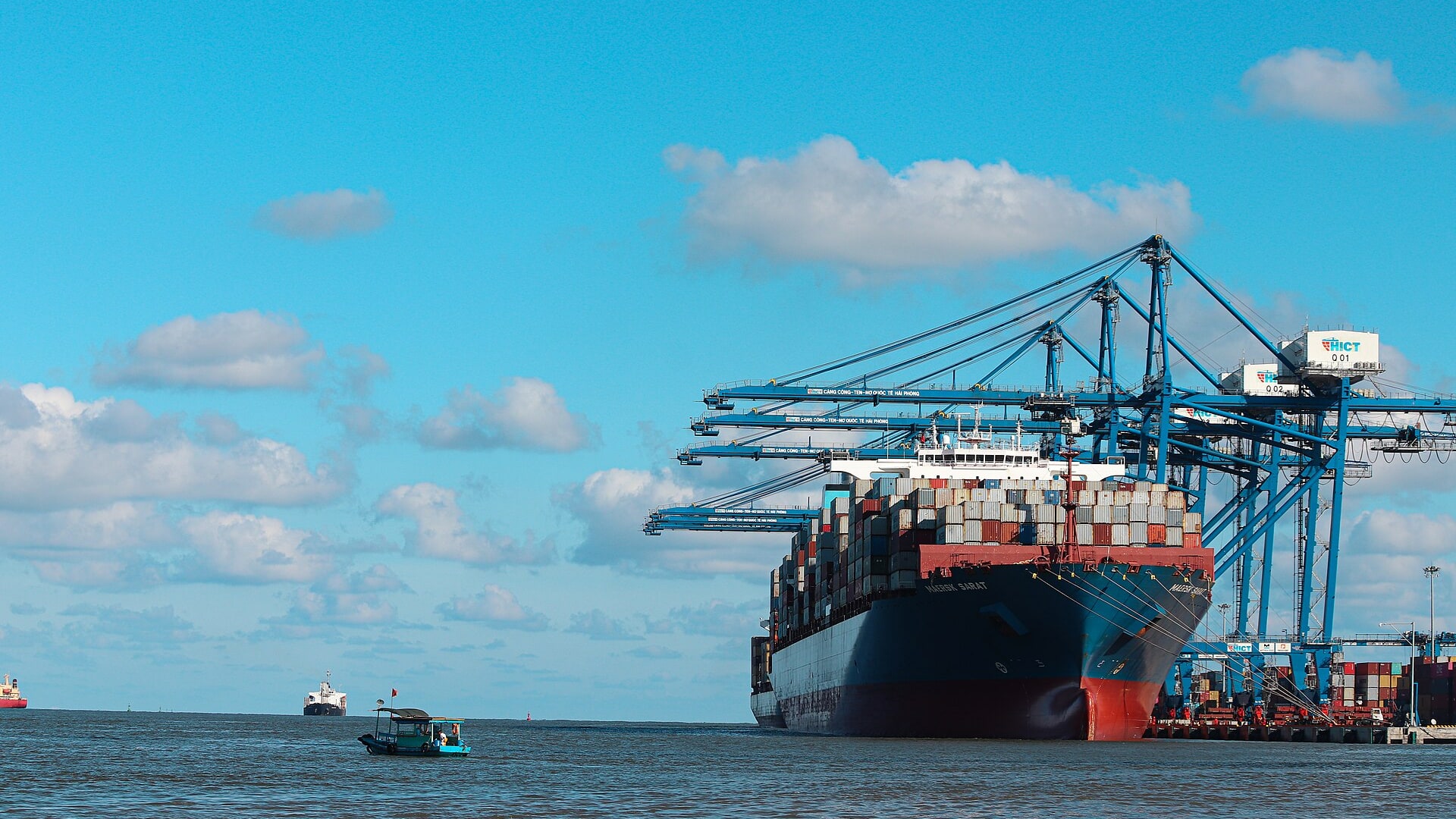
Mexico’s simplified courier rules distinguish shipments by origin, value, destination and other conditions. Under the current rule, covered shipments from countries without an applicable treaty generally use a 33.5% global rate. A 19% treatment is available only when every condition in rule 3.7.35 III(c) is satisfied. This is separate from the calculation for a formal import.
Key takeaways
- Covered courier and parcel shipments from non-treaty origins generally use a 33.5% global rate under the simplified rule.
- The 19% treatment is not the old general rate: it applies only when all conditions in rule 3.7.35 III(c) are met.
- It mainly hits direct e-commerce parcels (Temu/Shein-style orders) and small importers shipping by international courier.
- For commercial volumes, a proper freight + DDP route can now be more predictable and often cheaper than shipping piece-by-piece by courier.
- This sits on top of Mexico’s broader 2026 tariff regime on Chinese goods, so the two need to be planned together.
- This is planning information for budgeting, not legal or customs advice.
What is Mexico’s 2026 parcel and courier tax?
It is a simplified customs calculation for eligible courier and parcel entries. For covered shipments from origins without an applicable treaty, the current rule generally sets a 33.5% global rate. Rule 3.7.35 III(c) provides 19% only when its full conditions — including the relevant value, origin and destination requirements — are satisfied. A parcel outside the simplified procedure follows the applicable formal-import treatment instead.
Who does the parcel tax actually hit?
It hits anyone bringing goods into Mexico as individual parcels by international courier — most visibly direct-to-consumer e-commerce.
The people who feel it most:
- Direct e-commerce buyers and sellers — the Temu, Shein and AliExpress-style flow of single parcels shipped straight to a Mexican address.
- Small importers using couriers — sellers who restock by sending many small courier shipments instead of consolidating into freight.
- Drop-shippers whose model depended on the old duty-free parcel treatment to stay price-competitive.
Do not assume a parcel qualifies for a low or zero charge. Classify the goods and confirm the simplified-rule eligibility and rate before pricing.
Why is the parcel route now often more expensive than freight?
Because the parcel tax removes the advantage that made courier cheap, while a consolidated freight route spreads costs across far more units.
When a parcel falls under the 33.5% global rate, shipping piece-by-piece can become expensive once courier handling and other fees are included. Consolidating into ocean or air freight uses a different calculation:
- You pay freight once for a consolidated load, not per parcel.
- Customs is cleared on a single pedimento instead of parcel-by-parcel, which is cleaner and more predictable. See our customs and pedimento guide.
- Duty and IVA at 16% are calculated on the proper customs value, so you know the landed cost in advance.
For commercial volumes, compare both routes with the actual classification, value and service fees. Consolidated freight may be more predictable or cheaper per unit, but it is not automatic.
How does this fit with Mexico’s 2026 tariffs on Chinese goods?
The simplified parcel rule is separate from Mexico’s formal tariff schedule.
For formal imports, the decree effective January 1, 2026 changes the rates only for the tariff classifications it lists. A parcel that does not use the simplified procedure must be assessed under the applicable formal-import rules; neither regime is a blanket rate for all Chinese goods.
Read together, the message is consistent: there is no longer a cheap, tax-free back way into Mexico for Chinese goods, whether by container or by parcel. We keep a planning guide to Mexico’s 2026 tariffs on Chinese imports. Treat both as planning information, not legal or customs advice, and confirm the current rates for your exact product.
What should sellers shipping to Mexico do now?
Re-cost your route. If you are still shipping by courier out of habit, compare it against consolidated freight with the import handled for you.
A practical plan:
- Re-price with the tax in. Rebuild your landed cost using the current parcel tax, not the old duty-free assumption.
- Consolidate. Batch orders into ocean or air freight instead of many single parcels.
- Assess DDP for predictability. We can arrange a compliant structure after identifying an eligible Mexican importer and confirming product eligibility, scope and exclusions.
- Sort your import basics. Name the importer of record and confirm its qualifications before freight moves.
- Confirm current rates. Parcel tax and tariffs move — verify before you commit to a pricing plan.
If you sell on Amazon Mexico, the freight-and-clearance plan is the same picture from the marketplace angle — see our Amazon Mexico FBA freight guide.
Frequently asked questions
Is there still a de-minimis for parcels from China to Mexico? Do not use a blanket yes/no assumption. Eligibility and treatment depend on the simplified rule’s origin, value, destination and product conditions. Covered non-treaty-origin shipments generally use 33.5%; verify the actual parcel before shipping.
How much is the Mexico courier tax in 2026? The general rate for covered shipments from non-treaty origins is 33.5%. The 19% treatment applies only if every condition in rule 3.7.35 III(c) is met. Confirm the shipment’s eligibility before dispatch.
Does the parcel tax apply to Temu and Shein orders? The simplified rule can apply to direct-to-consumer courier parcels, but the treatment depends on origin, value, destination, product and the filing procedure. Confirm the actual entry rather than inferring the rate from the marketplace name.
Is it cheaper to use a freight forwarder than a courier now? It can be. Compare the courier calculation and fees with a formal consolidated import using the same product classification and value. DDP also requires a named eligible importer and a confirmed compliant structure.
Do I still pay IVA on top of the parcel tax? Do not add formal-import IVA mechanically to the simplified global rate. Mexico’s formal-import general IVA rate is 16%, with its base defined by Article 27; the courier treatment depends on the entry procedure. Confirm which calculation applies.
The parcel tax is one reason to rethink your route within our complete guide to shipping from China to Mexico. Tell us what you are shipping, how much, and where in Mexico it is going, and we will compare a consolidated freight or DDP route against your current courier costs. Message us on WhatsApp, and to plan the import side, see our guides to Mexico’s 2026 tariffs and DDP shipping to Mexico.
Sources
Clearance is done by partner brokers; the freight is ours to move
Part of
Tools for this topic