Guide
Shipping from China to Panama: Ports, Free Zone & Customs
How to ship from China to Panama: container-terminal selection, the Colón Free Zone, customs declarations, ITBMS rates and shipment-specific re-export checks.
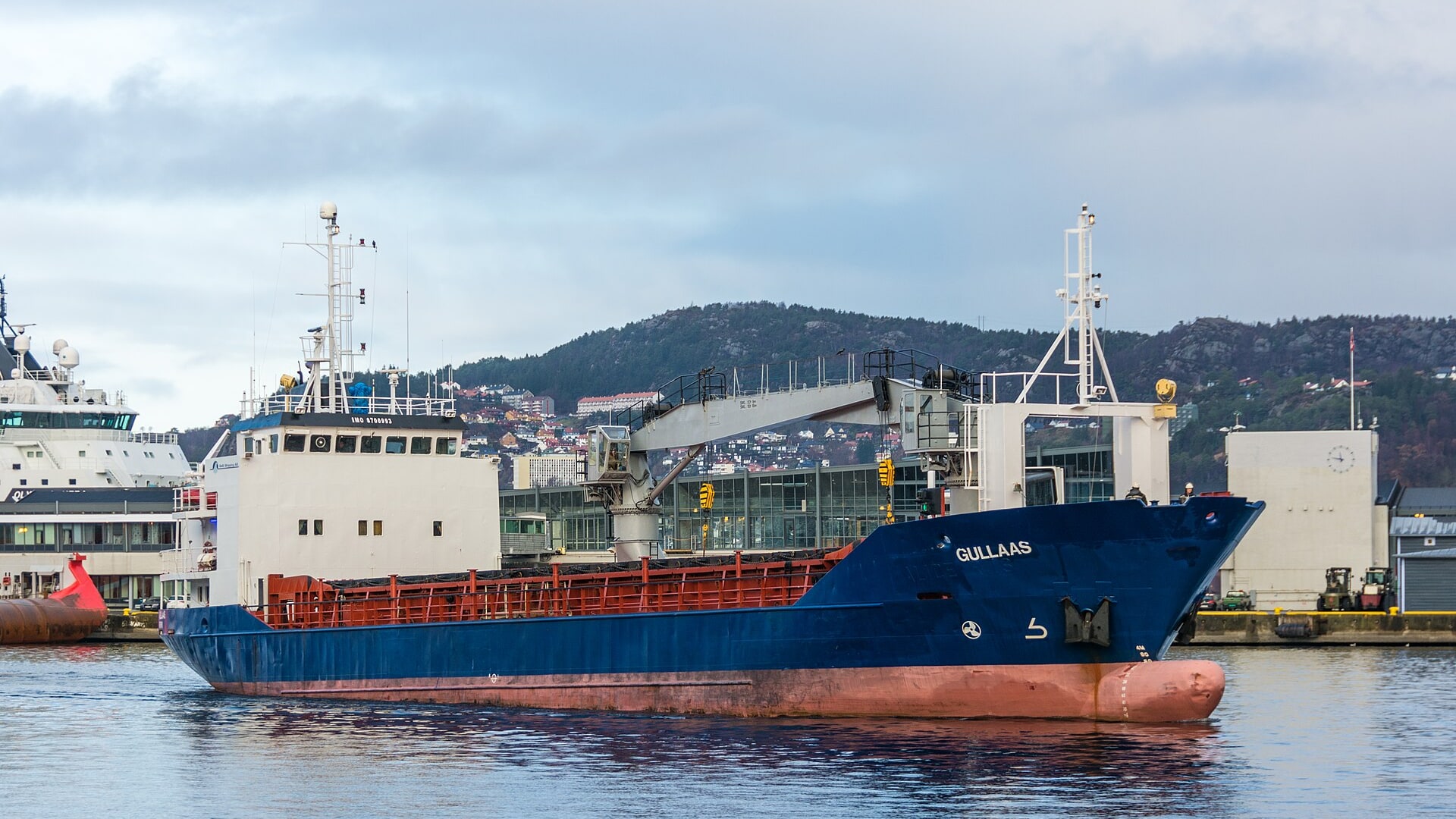
Panama has container terminals on both sides of the Panama Canal and a legally defined Colón Free Zone regime. A shipment may be released for local consumption, moved under a free-zone or transit procedure, or transhipped, but those paths are not interchangeable. Confirm the terminal, customs regime, authorised operator and tax treatment for the specific movement. This guide covers the checks needed before booking cargo from China.
Key takeaways
- Panama’s official port directory lists container terminals including Balboa, PSA Panama International Terminal, Manzanillo International Terminal and Cristóbal; the current carrier service and booking determine the actual terminal.
- The Colón Free Zone (Zona Libre de Colón) has its own legally authorised activities. Do not infer one customs or tax outcome from the words “free zone.”
- For customs entry, the applicable regime determines the declaration, invoice and transport-document requirements, and whether a value declaration, licence, permit or guarantee is required.
- Panama’s general ITBMS rate is 7%, with 10% for alcoholic beverages and 15% for tobacco products; exemptions also exist.
- Compare ocean for volume with air for urgent or high-value, low-weight cargo using the current service and quote.
- A DDP door-to-door or transit structure can be assessed only after the named eligible importer or free-zone operator, licensed broker, procedure and product are confirmed; the quote must state the agreed freight, clearance, delivery and onward-distribution scope.
Why use Panama as a logistics or re-export point?
Panama combines canal-side container terminals with a statutory free-zone regime. The official port directory identifies container facilities including Balboa, PSA Panama International Terminal, Manzanillo International Terminal and Cristóbal. The Colón Free Zone law authorises defined trade, logistics, storage, handling and related activities for approved users.
That infrastructure can support local import, transit, transhipment or re-export planning. It does not prove that a particular China service calls directly, that space is available, or that a particular free-zone treatment applies; verify those points from the current carrier schedule, terminal booking and authorised procedure.
Two common planning paths are local consumption and onward movement. Goods released for local consumption follow the applicable import and tax treatment. Goods intended for onward movement need the correct transit, transhipment or authorised free-zone procedure, plus the import treatment required by the final destination. For a wider regional view, see our China to Latin America shipping guide.
What are the main ports for shipping from China to Panama?
The official container-terminal directory includes facilities on both sides of the canal. Common options to check are:
- Pacific side: Balboa and PSA Panama International Terminal (Rodman).
- Atlantic / Colón side: Manzanillo International Terminal (MIT), Cristóbal and Colón Container Terminal.
This is a terminal screen, not a promise that every terminal accepts every shipment or has a direct China service. The carrier’s current schedule, equipment and space, the customs regime and the onward destination determine the terminal named in the booking.
How does the Colón Free Zone work for re-export?
The current Colón Free Zone law authorises specified activities for approved users, including trade, cargo handling, storage and certain logistics or value-added operations. It also distinguishes movements into Panama’s fiscal territory, exports and transfers within or between authorised areas.
That legal framework does not establish one universal duty- and ITBMS-free result for every shipment. Obtain confirmation for the operator, goods, authorised activity, movement into or outside the fiscal territory and final destination before building a tax model.
Two points to keep straight:
- Free-zone procedure: confirm the authorised user or operator, permitted activity, goods and destination treatment with the Panamanian authority.
- Local consumption: confirm the classification, duty and applicable ITBMS rate or exemption before release.
Treat this as planning information, not legal advice. The free zone has its own registration and operating rules, and the official treatment of any shipment sits with the Panamanian authorities. If you want Panama as a regional staging point, we can assess a route through a named eligible operator and confirm the onward-distribution scope before booking.
How does customs clearance work in Panama?
For goods entering Panama’s customs territory, follow the procedure of the Autoridad Nacional de Aduanas. Its dispatch guidance begins with transmission of the declaration for the selected regime and specifies supporting records under Panama’s adopted regional customs rules.
The exact set varies by regime. The official dispatch table identifies these records as required or conditional, depending on the movement:
- Commercial invoice, when required for the regime
- Transport document, such as a bill of lading, air waybill or equivalent
- Customs-value declaration, when applicable
- Licences, permits, certificates, non-tariff-regulation records or guarantees, when the goods and regime require them
The invoice and transport data should identify the goods consistently, including the description and other information required by the official procedure. Confirm who may transmit the declaration and which product authority issues any licence or permit. State at the outset whether the movement is for local consumption, transit, transhipment or an authorised free-zone operation; each uses its own procedure. For the wider context on documentation and duty, this lane is part of our guide to importing from China: customs, duties and compliance.
What taxes and duties apply when importing from China to Panama?
Depending on the classification, regime and transaction, landed cost for goods released for consumption may include import duty and ITBMS in addition to freight. At the 2026-08-10 review, the planning components were:
| Component | What it is | Notes |
|---|---|---|
| Import duty | Tariff on goods entering Panama’s customs territory | Varies by tariff heading; verify your exact HS code |
| ITBMS | Panama’s VAT | General 7%; alcoholic beverages 10%; tobacco products 15%; exemptions exist |
| Free-zone re-export | Goods handled under a Colón Free Zone procedure | Confirm the current customs and tax result for the exact authorised operation |
A few points to plan around:
- Duty varies by product. There is no single rate; the percentage depends on the tariff heading for your specific goods, so confirm it before you order rather than assuming an old figure.
- ITBMS is not universally 7%. The general rate is 7%, alcoholic beverages use 10%, tobacco products use 15%, and exemptions exist.
- Re-export requires a procedure check. Do not promise no Panamanian duty or ITBMS without an official determination for the operator, goods and movement.
Treat all of the above as planning information, not legal or tax advice. Confirm customs classification, regime and duty with the Autoridad Nacional de Aduanas, and the applicable ITBMS treatment with the DGI or other competent Panamanian authority for the exact transaction.
Should I ship FCL or LCL to Panama?
Ship FCL (Full Container Load) when the shipment justifies dedicated-container space or needs less handling; consider LCL (Less than Container Load) for smaller cargo that can accept consolidation and deconsolidation. Availability, minimum charges and the break-even point depend on the live origin-terminal service and quote. See FCL vs LCL ocean freight for the comparison.
How long does shipping from China to Panama take?
There is no single China→Panama duration that follows from the official port list. Transit depends on the origin, carrier service, direct or transhipment routing, booked terminal, customs regime and delivery scope. Always check whether a quote is port-to-port or door-to-door; our guide to air and ocean freight from China explains the difference.
- Ocean: request a dated schedule and a separate estimate for pickup, export handling, the ocean leg, customs and delivery.
- Air: compare a current airport-to-airport or door-to-door quote when urgency or value-to-weight may justify it.
Who handles freight, customs and onward distribution? Our DDP option
Whether Panama is the final market or an onward-movement point, a quote can assess whether a DDP or transit structure is available after identifying the eligible importer or operator and applicable procedure.
Where available, the agreed scope may include coordination of pickup, freight and delivery. The named importer or free-zone operator, licensed broker, product eligibility, procedure, ITBMS treatment, duties, inclusions and exclusions must be confirmed before booking.
Frequently asked questions
Why consider Panama as a logistics point? It has container terminals on both sides of the canal and a statutory Colón Free Zone regime with defined authorised activities. Whether that structure fits depends on the current service, operator, goods, procedure and final destination.
Do I pay duty on goods that pass through the Colón Free Zone? Do not assume one universal result. Confirm the operator, goods and authorized free-zone procedure with the Panamanian authority, plus the import treatment in the final destination.
How much is ITBMS in Panama? The general ITBMS rate is 7%; alcoholic beverages use 10%, tobacco products use 15%, and exemptions exist. Confirm the exact goods and transaction.
Which Panamanian port should my cargo use? It depends on the current carrier service and the customs plan. Balboa and PSA Panama International Terminal (Rodman) are Pacific-side options; MIT, Cristóbal and Colón Container Terminal are on the Atlantic / Colón side. The booking should identify the exact terminal rather than saying only “Panama” or “Colón.”
Can you coordinate customs and delivery, or an onward-movement structure? We can assess whether those services are available for the shipment. Any quote must identify the eligible importer or operator, licensed broker, procedure, tax treatment, scope, exclusions and price.
Get a quote for your Panama shipment
Panama offers container-terminal and free-zone options, but the legal and commercial result is shipment-specific. Decide whether the movement is for local consumption, transit, transhipment or an authorised free-zone operation, then confirm the terminal, procedure, operator, customs documents and ITBMS treatment.
When you are ready for real numbers, message us on WhatsApp with your origin, volume and product. We can check the current service and prepare a shipment-specific quote if the requested structure is available. For more on the region, see our China to Latin America shipping guide and our guide to shipping from China to Central America via Guatemala.
Sources
- ITBMSDirección General de Ingresos de Panamá
- Generalidades del ITBMSDirección General de Ingresos de Panamá
- Gestión de Despacho: ingreso de mercancías al territorio aduaneroAutoridad Nacional de Aduanas de Panamá
- Texto Único de la Ley 8 de 2016 que reorganiza la Zona Libre de ColónGaceta Oficial de Panamá
- Terminales de contenedoresAutoridad Marítima de Panamá
The service behind this lane
Part of
Tools for this topic